Dr. Jean C. Emond – Surgical Pioneer in Liver Transplantation
Dr. Jean C. Emond is an internationally recognized liver and hepatobiliary transplant surgeon, known for pioneering work in living donor and split-liver transplantation and for building one of the busiest liver transplant programs in the United States [1], [2].
His career blends meticulous surgical technique with a calm, teaching style at the bedside and in the operating room — a combination that has shaped trainees, improved outcomes, and changed what is possible for adults and children with end-stage liver disease [1], [3].
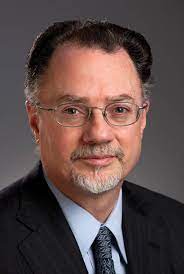
Columbia University & NewYork-Presbyterian.
Training & Early Career
Dr. Emond trained as a general surgeon and then pursued advanced fellowship training in liver, pancreas, and hepatobiliary surgery. That pathway — from broad surgical training to focused subspecialty work — prepared him to manage some of the most complex operations in modern medicine, including multivisceral and living donor liver transplant procedures [1].
Early in his career he gravitated to patients whose only hope lay in experimental or high-risk operations. Rather than being deterred, he used that challenge as fuel, helping refine operative techniques, peri-operative care, and team-based decision-making for very sick patients. Many of those principles are now standard practice in contemporary liver transplant programs [2].
Building a High-Volume Liver Transplant Program
At Columbia University Irving Medical Center and NewYork-Presbyterian Hospital, Dr. Emond played a central role in developing the Center for Liver Disease and Transplantation, now one of the highest-volume, most experienced liver transplant programs in the country [1], [3].
He has served in key leadership roles, including vice chair of surgery and surgical director of liver transplantation programs. Working with hepatologists, anesthesiologists, intensivists, and transplant coordinators, he helped design systems that move patients smoothly from evaluation to listing, transplant, and long-term follow-up [3].
Under this leadership, the program has:
- Performed large numbers of adult and pediatric liver transplants.
- Developed expertise in high-acuity cases and complex re-operations.
- Participated in national quality collaboratives and outcomes research.
For patients, this means something very practical: access to a center where complex cases are routine, and every step of the journey is built on experience.
Pioneering Living Donor & Split-Liver Transplantation
Dr. Emond was an early leader in living donor liver transplantation (LDLT) in North America, where a healthy donor gives a portion of their liver to a recipient. He also helped pioneer split-liver techniques, in which a single donor liver is divided and transplanted into two recipients — often an adult and a child [2], [4].
These approaches demand exquisite anatomical understanding and meticulous operative planning. They also require robust protocols for donor safety, recipient selection, and follow-up. Much of that framework was built and refined by teams that Dr. Emond led or co-led, and by his participation in multi-center studies on outcomes and complications [4].
Research, Leadership & Education
Beyond the operating room, Dr. Emond has been deeply involved in clinical research and national leadership. He has authored and co-authored peer-reviewed studies on transplant outcomes, living donation, and complex hepatobiliary surgery, and has participated in collaborative efforts such as multi-center living donor liver transplant studies [2], [4].
He has also held leadership positions in national transplant organizations and professional societies, helping to shape policies around organ allocation, donor safety, and quality metrics in transplantation [3].
As an educator, he is known for:
- Training generations of transplant and hepatobiliary surgeons.
- Teaching a thoughtful, measured approach to technical challenges.
- Modeling collaborative, respectful communication in high-stress environments.
Many surgeons now leading programs around the world trained, in part, under his guidance.
Legacy for Patients & Trainees
For patients and families, Dr. Emond’s legacy is measured in more than statistics. It shows up in the quiet confidence of a team that has handled similar cases, in the way complex risks are explained in plain language, and in the knowledge that the surgeon has personally helped expand the options available to people with end-stage liver disease.
For trainees, his legacy is the combination of technical mastery and humility: the understanding that even after thousands of operations, every case deserves fresh attention; that outcomes improve when surgeons listen to nurses, anesthesiologists, and patients; and that teaching the next generation is a responsibility, not an afterthought.
References
-
Columbia University & NewYork-Presbyterian liver transplant and hepatobiliary surgery program information, including leadership roles and program structure.
NewYork-Presbyterian – Liver Transplant Program -
Professional profiles describing Dr. Jean C. Emond’s experience in liver transplantation, living donor surgery, and complex hepatobiliary procedures.
Columbia Surgery – Liver & Transplant Surgery -
Transplant society and academic sources outlining leadership roles, policy work, and quality initiatives in liver transplantation.
American Society of Transplant Surgeons (ASTS) -
Reviews and multi-center studies on living donor and split-liver transplantation, including surgical techniques and long-term outcomes.
UpToDate – Living Donor Liver Transplantation