Second Chance: A Doctor’s Journey through Liver Disease and Redemption
Surviving the Silent Killer
Living Proof of a Second Chance
Today I stand here like a ship that has limped through a hurricane and found calmer waters — scarred, humbled, and profoundly alive. This memoir is the map of that voyage: how a “silent killer” stalked me for years, how I ignored the lighthouse warnings, and how a new liver, a stubborn will, and an army of healers pulled me back from the edge.
If you find yourself somewhere along a similar shoreline — newly diagnosed, waiting on a list, or caring for someone you love — I hope these pages feel like a hand on your shoulder and a lantern on a dark path.
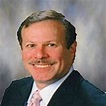
Even before I grasped how serious my illness was, two quiet companions walked beside me: my wife Sandra and our beloved Snowball. They were like a steady heartbeat under all the noise — a reminder that this battle was never just about lab values and scans, but about love, loyalty, and the simple joy of still being here tomorrow.
2004 Warning – A Silent Adversary
For as long as I can remember, my life has revolved around medicine and food. I delighted in the rich gravies and crisp edges of my Eastern European heritage, as if every meal were a small holiday. But beneath that celebration, tiny cracks were forming in the dam. In 2004, I finally saw the first leak: a diagnosis of fatty liver infiltration — a silent adversary that had been marching beside me for years.
In the scorching summer of 2004, while most people soaked in the sun, I sat in the office of Dr. Ronald Weiss. Stepping into his consultation room felt less like a routine visit and more like entering a quiet courtroom where my habits were on trial. My lab tests showed elevated LDH (lactic dehydrogenase), a subtle but serious flare on the radar that liver damage was on the horizon.
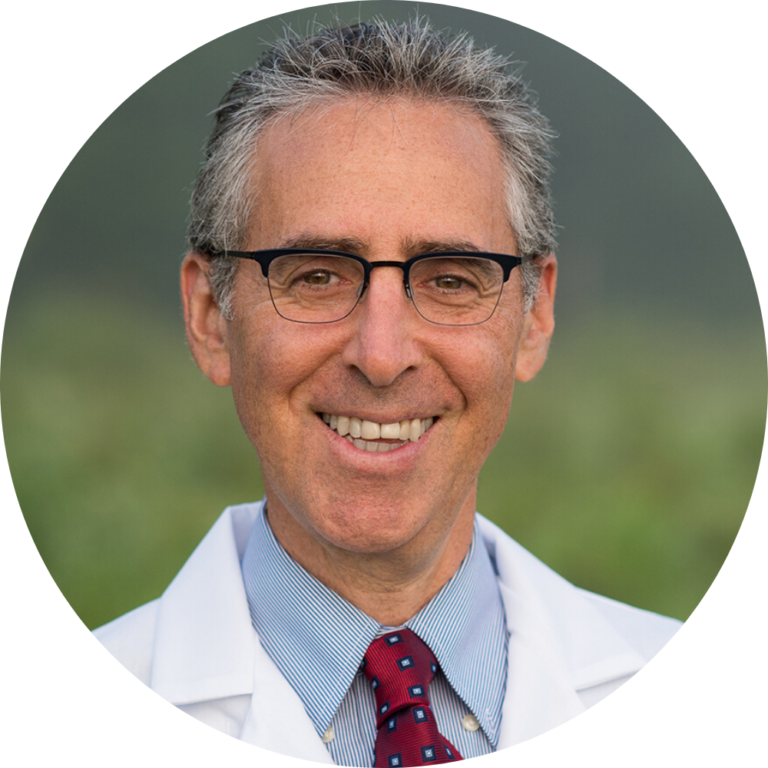
Dr. Weiss didn’t reach for a prescription pad loaded with pills. Instead, he offered a prescription from the soil: a plant-based diet. One page, simple, almost deceptively so — “Change your lifestyle, and your body will heal.” It was a lifeboat lowered gently into the water. I admired it from the deck and then kept sailing straight toward the iceberg.
At that time, the idea of a plant-based life felt like being told to trade a symphony for a dial tone. I was eating over 10,000 calories a day. The notion of swapping pork chops and latkes for lentils and leafy greens seemed almost comedic.
Dr. Weiss urged me to watch Forks Over Knives, a documentary stacked with evidence for the power of plants. It was meant to be a lantern on a dark road, but I turned my face away. Human beings are masters at shoving uncomfortable truths into the back of a drawer; doctors, unfortunately, are not exempt.
On the outside, I looked deceptively stable. My weight and basal metabolic index stayed within reasonable bounds, like a building with a freshly painted facade. Inside, though, the wiring was smoldering. My LDH levels remained elevated — my body whispering, then calling, then practically shouting for change.
It was not until the week before Christmas 2019 that the illusion really shattered. The season’s jingling bells were drowned out by a sharp, insistent pain and a deep sense of dread. I realized I had been playing high-stakes poker with my own life, and the house was about to collect.
Looking back, those years feel like a long hallway lined with closed doors. Behind each one was a chance to pivot, to listen, to act. I kept walking. Only later, after being knocked flat, did I appreciate the quiet, stubborn power of preventive medicine — especially the medicine we choose at every meal. It is never too late to turn around, but the price of waiting can be steep.
Diabetes – The Numbers Don’t Lie
In the urgent care facility where I spent my days patching up other people’s crises, I never expected to discover my own. Yet it was there, in that fluorescent-lit hive, that the next alarm bell rang. My walk — usually a constant, purposeful stride — had slowed to a shuffle. To the nurses who worked with me, it was as obvious as a siren in a quiet room.
I finally made an appointment with my own physician. The bloodwork came back like a thunderclap: blood glucose of 347. “That can’t be,” I said, as if disbelief could somehow rewrite the lab report.
Evelyn, our urgent care director, ordered an A1C test. When the result came in — 13.7 — it felt like looking at a speedometer pinned to the red. Normal is under 5.7. In a single breath, I moved from being the calm driver in the front seat to the patient strapped into the gurney.
We responded with a strict low-carbohydrate, low-sugar diet and medications: Metformin and Prandin. For a time, it worked. Within three months, my glucose hovered around 100 and my A1C drifted back to 5.7.
But like a soldier who mistakes a ceasefire for the end of the war, I relaxed too soon. Old habits crept back in. The numbers danced upward again, mocking the brief order we had imposed.
I turned to an endocrinologist, a specialist in these invisible battlefield skirmishes. He added two kinds of insulin to my daily arsenal. And so, another chapter began: surgeon on the outside, high-risk diabetic on the inside, trying to walk a tightrope with no safety net.
Through these rises and falls, my mother-in-law Beatrice quietly held the other end of the rope. She was one of those steady souls who rarely ask for the spotlight but keep the whole tent from collapsing.
Encephalopathy – When the Mind Begins to Drift
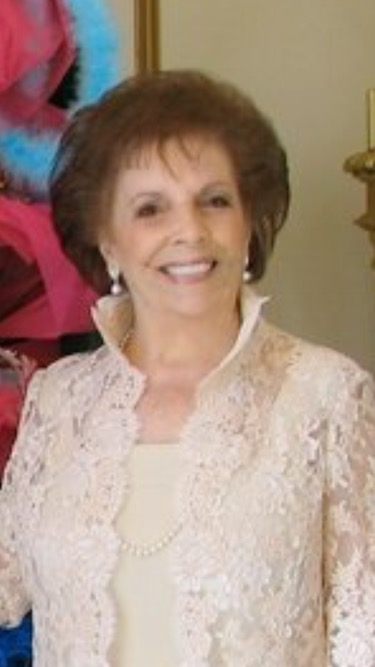
By 2018, burnout had seeped into my life like fog rolling in over a harbor — at first just a mist, then a thick, disorienting cloud. My moods swung, my patience thinned, and somewhere inside that haze, hepatic encephalopathy began to take shape.
Hepatic encephalopathy is what happens when the liver can no longer act as the body’s diligent street-sweeper. Ammonia and other toxins drift through the bloodstream like exhaust in a closed garage, slowly poisoning the brain’s clarity. Thought becomes heavy, memory slippery, balance unreliable.
My life as a doctor still revolved around late-night calls and upside-down sleep, trading days for nights and logic for sheer adrenaline. Underneath, the warning signs gathered: slower typing, sluggish thinking, speech that felt like wading through mud instead of walking on solid pavement.
I found myself wondering if this was the first chapter of Alzheimer’s. To cope, I leaned on memory tricks, alphabet games, and mental shortcuts — scaffolding for a house whose foundation was quietly crumbling.
Then came the falls. Five in a single day — each one a humiliating punctuation mark. Not gentle collapses onto sofas and carpets, but collisions with the cold, unwavering metal of a parked Jeep in my building’s garage. By the end of that day, my eyebrow was cut, my pride bruised, and my illusion of invincibility shattered.
Clutching my iPhone — a lifeline designed by a man I silently thanked — I called security. Sandra once again did what she has done throughout our life together: she got me where I needed to go when I could not get there myself.
Five days in the hospital followed, a blur of tests and evaluations. My body felt like an open textbook passed around a crowded classroom. Another fall in the sterile bathroom drove home the truth: this was not clumsiness, it was my brain and liver waving a red flag in unison.
Yet even in those corridors, there were small, stubborn glimmers of light. Beatrice and Sandra pushed me toward a world-class hospital, toward people and procedures that would ultimately change everything — even if, at the time, all I could see was the next step and the next blood draw.
Along this twisting road, people like Stella and Aimee appeared like signposts on a foggy highway — each one pointing a little more clearly toward safety, support, and the possibility of a new liver.
No Liver Left – NASH and the Hard Truth
March 2020 arrived with the usual rustle of clinic schedules and teaching duties — and then quietly rearranged the furniture of my life. Sitting across from Dr. Lorna Dove and Dr. Jean Emond, I was still, in my own mind, the seasoned surgeon and teacher. In their eyes, I was also something else: a man whose liver was reaching the end of its rope.
The exam room was ordinary: a table, a chair, the faint scent of disinfectant. Yet when Dr. Emond examined my abdomen and then said, “You have no liver left,” it felt like hearing a verdict echoed through a cathedral. The words slammed into me: No liver… gone?
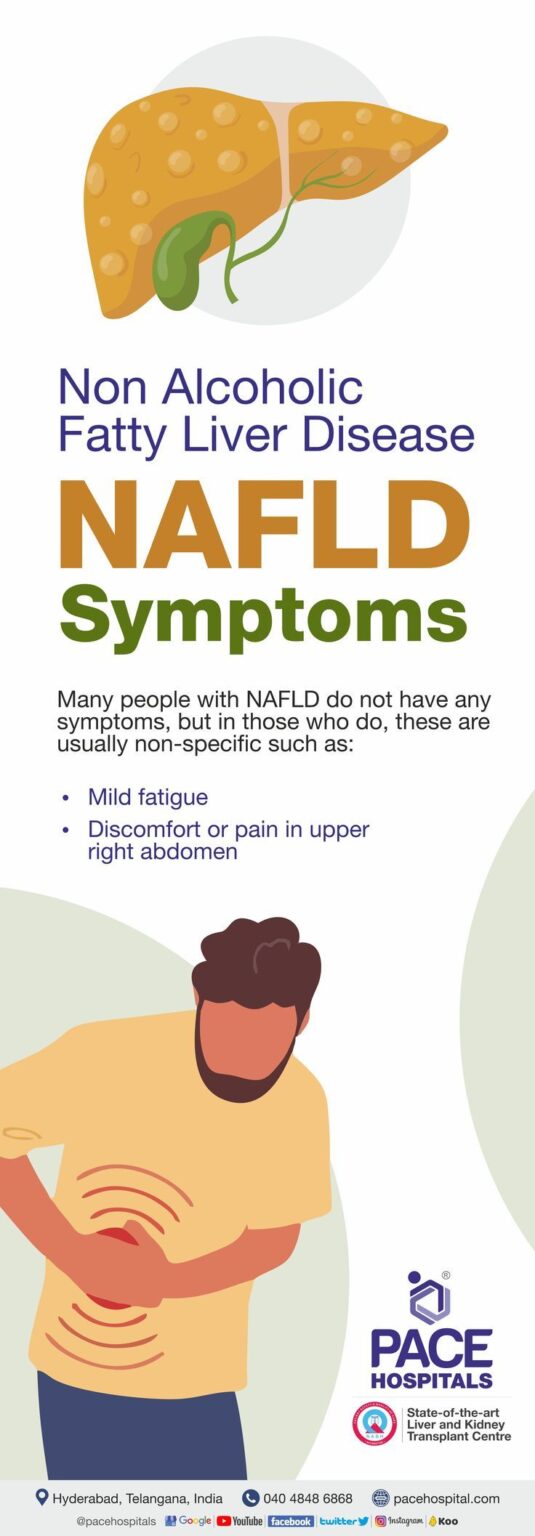
He explained NASH — non-alcoholic steatohepatitis — in plain terms: years of the wrong foods had quietly sandpapered my liver down to almost nothing. A fancy diagnosis for a very human problem: what we put on our plates and how long we choose to pretend it doesn’t matter.
Suddenly the path forward narrowed to a single, razor-sharp line: I would need a liver transplant. The packets and booklets they handed me felt like an encyclopedia of another planet. This was the rulebook for a game I had never planned to play.
I was told not to drive, to step away from the operating room, to put my entire professional identity on pause. It felt like someone had taken away my paintbrush in the middle of a mural. But the truth was simple: if I wanted another chance to heal others, I first had to survive long enough to heal myself.
Their message was firm but hopeful: the organ you were born with is failing, but another may yet carry you forward — if you are willing to walk through the fire to get there.
In the background of this story, like a quiet legend told in hospital corridors, stood Dr. Tomoaki Kato — a surgeon who fought his own battle with COVID, survived, and then ran the New York City Marathon. Knowing that someone who had danced that close to death was helping patients like me felt like having a veteran captain at the helm.
COVID & Listing – Two Invisible Enemies
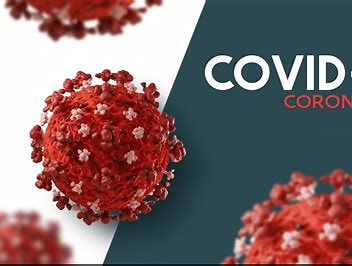
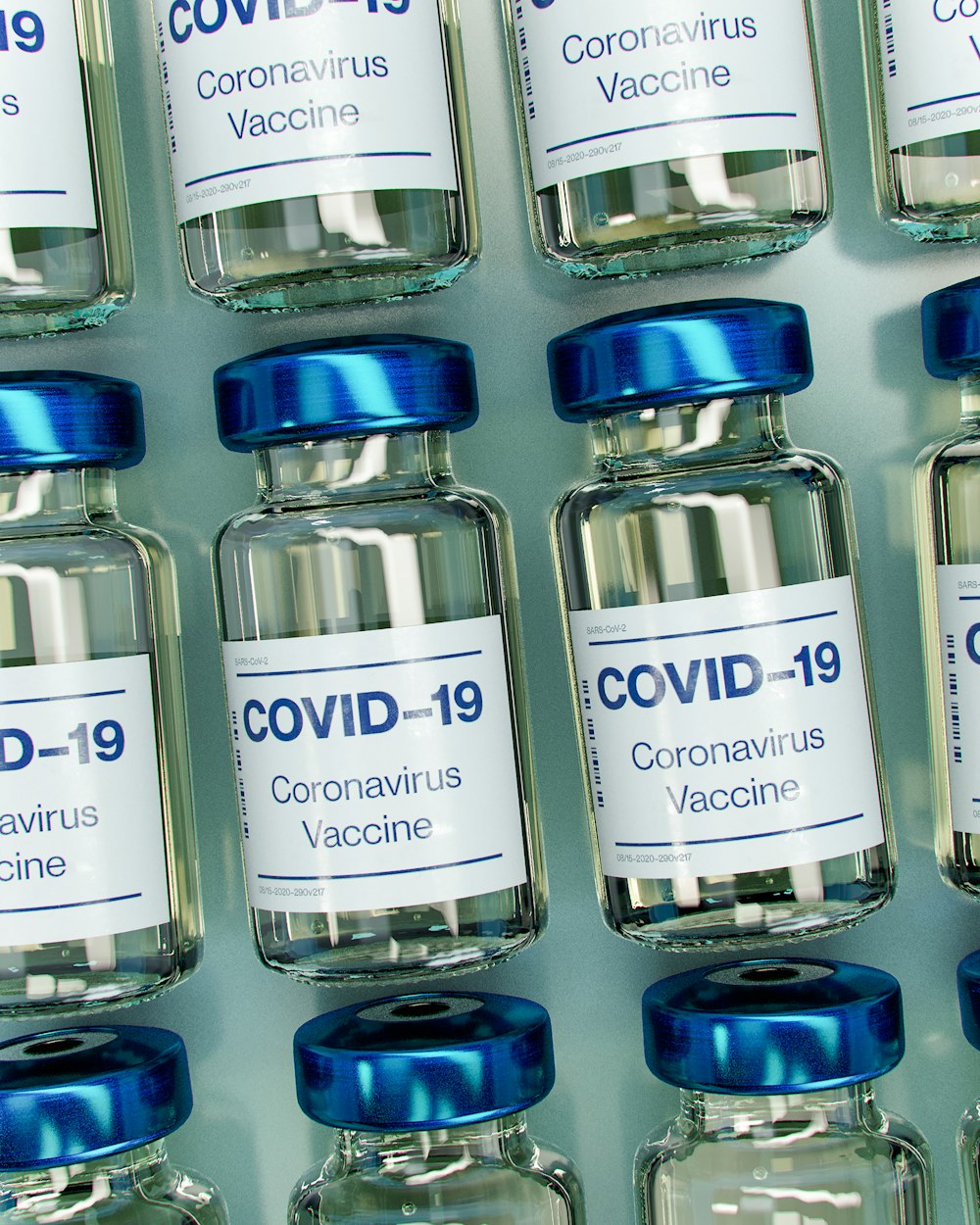
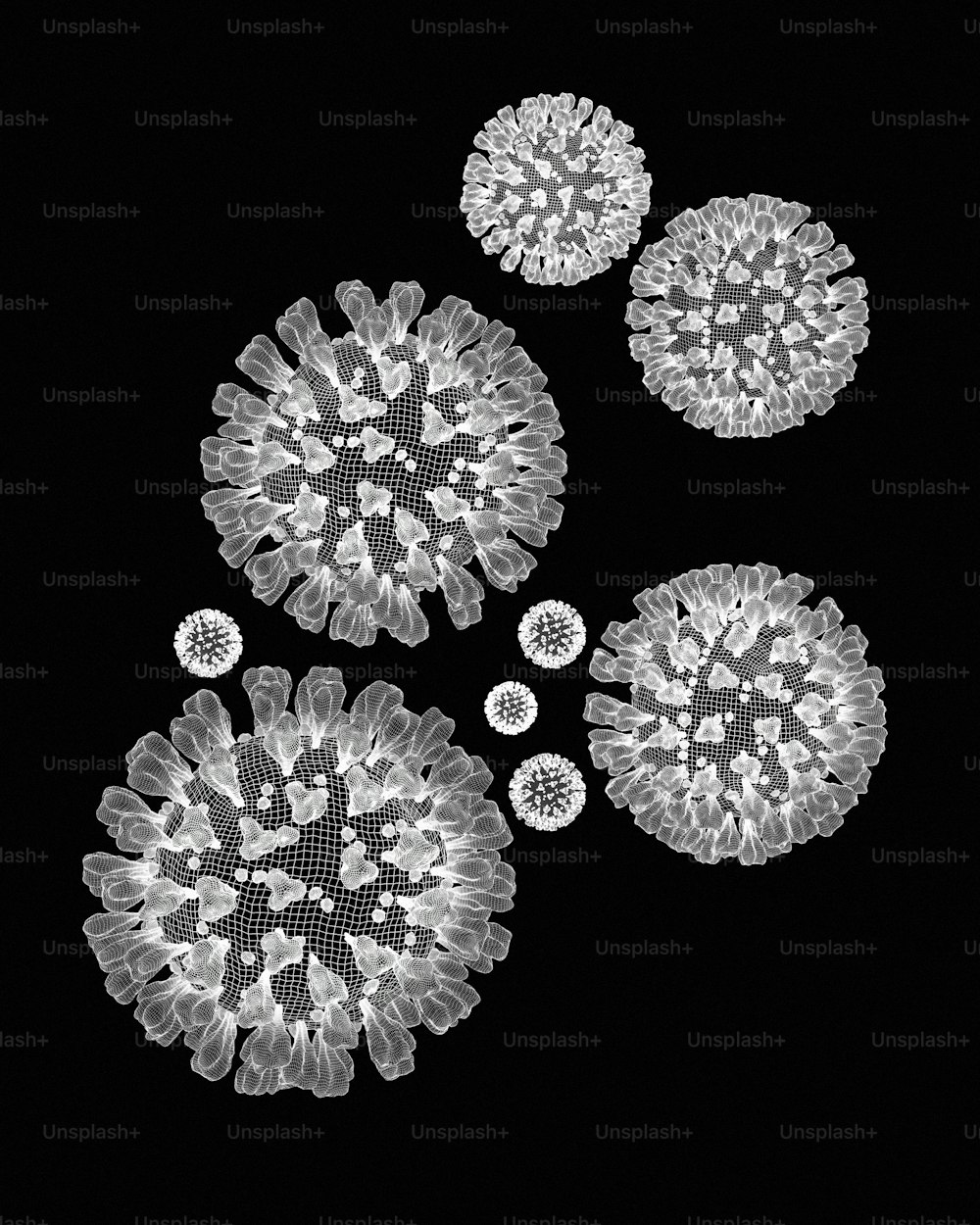
Just as my liver story was reaching a boiling point, the world itself caught fire. COVID-19 swept across the globe like an invisible tidal wave, knocking down routines, hospitals, and certainties in its path. My MELD score climbed to 13, an ominous number flickering on the scoreboard, and then… everything stopped.
The MELD score, for those blissfully unfamiliar, is a numerical way of asking a brutal question: “How close are you to the edge?” At 13, the edge was no longer a blur on the horizon. It was the cliff directly in front of me.
The world locked down. My office closed. Bills kept coming like waves on a shore, uncaring and unrelenting. The rhythm that had given my life structure — seeing patients, teaching residents, operating — vanished almost overnight. Meanwhile, my liver disease kept rewriting my internal script whether the world was ready or not.
Without timely guidance on Lactulose and Xifaxan, my encephalopathy worsened. My mind felt like a radio stuck between stations: static, fragments of thought, and lost words. Writing my own name began to feel like taking an exam in a language I once knew but could no longer fully speak.
Then Stella stepped in, like a lighthouse beam cutting across a black sea. With Myra in the NewYork-Presbyterian pharmacy department, they fought to secure Xifaxan for me at a fraction of the usual cost by sourcing it from Canada. That victory was not just about money; it was about survival.
Lactulose and Xifaxan together became the tandem oars that began to pull my brain back toward shore. Within a day, my thinking sharpened, my balance steadied. It felt as if someone had finally opened a window in a room I didn’t realize was suffocating.
In those long, uncertain hours, music became a thin but unbreakable thread — a way to hum back at the darkness and remind myself that my story was not over yet.
As the workup for transplant rolled forward — scans, endoscopies, arterial blood gases, the dreaded colonoscopy prep — my MELD score bobbed up and down like a cork on choppy water. It dipped briefly to 8, then climbed back to 13 as encephalopathy reasserted itself.
Financial worries circled overhead like vultures. Emotionally, I was torn between the idea of receiving an organ and the weight of what that meant for the donor’s family. Part of me wanted to look away; another part knew that looking away was no longer an option.
Maggie, the financial coordinator, cut through the haze with blunt honesty. This wasn’t a “nice to have” surgery. It was life or death. She shepherded me into a pre-transplant support group run by Aimee, where fear and hope sat side by side in every meeting.
In July 2020, I learned I was officially on the list. The idea of involving my family as living donors pressed on my chest like a weight: could I live with myself if something went wrong? Then Michelle, a close friend, stepped forward and offered to donate part of her liver. Her generosity felt like someone offering you their parachute mid-freefall.
Ultimately, her segment of liver was deemed too small. It was a strange mixture of relief and awe — relief that she would not be put at risk, awe that she had been willing to stand on that ledge with me in the first place.
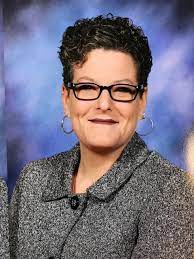
Her offer remains one of the purest gestures I have ever experienced. It reminded me that while organs are physical, transplant itself is also profoundly spiritual — a testament to how far love and friendship are willing to go.
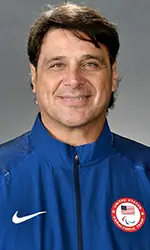
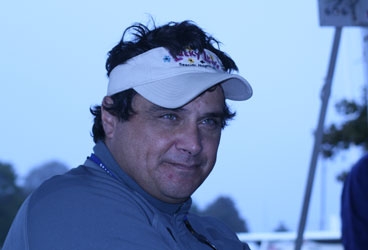
The transplant world is full of such figures — physicians, coordinators, donors, and recipients — each like a petal in a complex, fragile bouquet. Remove one, and the arrangement is never quite the same.
Transplant Night – The Call
In January 2021, another conversation with Dr. Emond reminded me that time was not a gentle companion. At 68, I was inching closer to the outer edge of transplant eligibility. He mentioned that the oldest successful liver transplant patient he knew of was 75 — a number that sounded both reassuring and ominous, like seeing a distant lighthouse without knowing how many storms lie between you and it.
The question he asked was simple and enormous: Did I want the transplant? I did. Unequivocally. I wanted more days, more chances to teach, to love, to correct the mistakes I had made with my own health.
Soon after, a potential donor was identified — and then lost. It was a sharp drop on a rollercoaster that never bothered to warn me about its next turn. But something I had heard in the support group echoed in my mind: once they call you the first time, the real call usually isn’t far behind.
That call came on the night of February 23, 2021. Near midnight, my phone rang, and the quiet room suddenly felt like mission control. I was instructed to come to NewYork-Presbyterian’s admitting office. The short 15-minute drive stretched out like a lifetime and a heartbeat all at once.
I arrived determined to walk into this next chapter without flinching. Extended donor criteria or not, this was the doorway between the life I had been living and the life I might still be able to lead.

Around this time, my “cast list” of physicians grew longer: hematologists, nephrologists, internists. Each would later take the stage when complications arose, like specialists in a complicated orchestra keeping the music going when one section faltered.
Two and a Half Months – Inside the Hospital Walls
What came next feels, even now, like a fever dream seen through frosted glass. My memories of the first six weeks after transplant are scattered puzzle pieces, many of them handed back to me later by my wife.
Stress, medications, renal failure, and anemia conspired to pull me into a half-lit world. I believed, for much of that time, that Dr. Emond had performed my surgery. Only later did I learn that my true surgeon was Dr. Kato — the same man who had battled COVID on the edge of death and later ran the New York City Marathon. Knowing that kind of resilience had literally put its hands on my liver still humbles me.
I moved through the intensive transplant unit like a reluctant astronaut tethered by lines and monitors. Attendings, residents, students, and nurses cycled in and out, asking me who I was, where I was, who the president was, and when I had been transplanted. Their questions were like anchors thrown repeatedly into murky water, trying to find the solid bottom of my consciousness.
There were returns to the operating room for bleeding, long stretches of dialysis, and a list of complications that reads like a medical textbook’s index: pneumonia, septicemia, abdominal fluid collections, orthostatic hypotension, and more. My weight ballooned from 186 to 230 pounds from fluid, then dropped to 149 by the time I left. The food held no appeal; I subsisted on clear Ensure and grape juice, treating each sip like a small truce with my rebelling body.
I was, by my own admission, not an ideal patient. I pulled out tubes, damaged equipment, and tried to escape my bed on legs that were not ready to hold me. One ill-fated attempt ended with me on the floor, earning a neck brace, a head CT, and an EEG. It was a painful, literal reminder that even a doctor can underestimate gravity — both physical and medical.
Sleep abandoned me. For six weeks, I floated in a strange twilight. A two-day EEG later confirmed that I wasn’t entering REM sleep at all. My brain was climbing the stairs but never opening the bedroom door. The aftermath — glue in my hair, patches of scalp complaining — was a small price to pay for the clarity of that finding.
My wife visited every day. She played “Kiss the Rain” by Yiruma on loop — a soundtrack my conscious mind does not remember, but my recovery, somehow, seems to. She brought family photographs and patiently held them up, reintroducing me to my own life like a librarian returning books to the proper shelves.
At first, faces blurred, names slipped away. Slowly, they sharpened. With each remembered face, a little more of Michael returned to Michael. If there is a single image that captures the heart of this story, it is that: a wife holding up pictures to a man who helped others all his life and now needed someone to help him find himself.
During this period, my friend and colleague Rick fought his own battle with pulmonary thrombosis. The pandemic wanted us isolated, but friendship is stubborn. Once I reached the rehab floor, my wife wheeled me to his room in open defiance of the idea that we should suffer in separate silos. For that brief visit, we were again what we had always been: two surgeons, side by side, refusing to surrender.
Physical and occupational therapy with Ilsa, Yeung, and Brittany became my daily mountain. Standing, walking, climbing a few steps — tasks that used to feel like breathing — now felt like scaling cliffs. Orthostatic hypotension turned each rise from a chair into a negotiation with gravity.
Weeks later, the first shower felt like a summit. Warm water on skin I had only known through antiseptic wipes and hospital gowns was, in that moment, as luxurious as any five-star spa.
Dr. Marykathryn Pavol entered the story as a kind of cartographer of my cognition. Through puzzles, drawings, and story recall, she mapped what had been spared and what needed time. Her tests were more than checkboxes; they were mile markers on the road back to myself.
Recovery & Today – Sailing Through the Storm
Eventually, the day came when the hospital doors opened for me in a new way — not as a patient arriving, but as a patient going home. The therapy team rehearsed each step with us, turning the simple act of getting into our high Jeep into a carefully choreographed ballet of hand placement and timing.
Back on the unit, a poster greeted us — a collage of my wife’s accumulated parking tickets from those two and a half months. It was funny, poignant, and perfect: a banner of tiny hardships that together told a story of enormous devotion.
At home, I tried to build a new rhythm: outpatient therapy, follow-up visits, brief reunions with the staff who had seen me at my most fragile. Orthostatic hypotension remained a stubborn opponent. Just as I thought I was sailing into calmer waters, a call from Lauren, my nurse practitioner, snapped the line: my potassium was 6.8 — a number that turns the heart into a ticking bomb.
I returned to what I called the gloomy triad: the stretcher of doom, the hallway of doom, and the room of doom. I waited with a painfully full bladder for labs, for insulin and glucose, for someone to turn the key in that biochemical lock before it was too late.
Under Dr. Crew’s watchful eye, that crisis passed. I went home with Lokelma, a low-potassium diet, and yet another reminder that recovery is rarely a straight line. Cytomegalovirus soon joined the cast of villains in my story — a side effect of the immunosuppressive regimen designed to protect my liver but challenge everything else.
Valcyte beat back the virus but brought leukopenia. I learned to inject myself with Neupogen, adding “amateur hematologist” to the long, strange list of roles I’d picked up. Anemia from stage 3 renal failure responded to fludrocortisone, furosemide, Aranesp, and iron under the joint guidance of Dr. Crew and Dr. Eisenberger. It was like conducting a fragile chemical orchestra, where one wrong note could throw the whole symphony off key.
Somewhere along this path, an incisional hernia and a return to the operating room joined the saga. Exhaustion seeped into my bones. But my mind — that stubborn instrument — began to clear and sharpen.
I worried about tremors, the unwelcome shaking that threatened the hands that had once held instruments with confidence. I turned, somewhat ironically, to ChatGPT, and learned that everolimus can cause fewer tremors than cyclosporine. Under my team’s guidance, we incorporated that change, and the difference felt nothing short of miraculous — like turning down the static on a channel I had forgotten could be quiet.
I also returned from carvedilol to propranolol, discovering that sometimes progress means circling back to what once worked. Throughout, Aimee’s support group continued to be a safe harbor — a room full of people who understood that survival was not just physical, but emotional, financial, and spiritual.
Two years after my transplant, it would have been easy to describe that time as a valley of nothing but setbacks. I choose instead to see it as a strange, steep school — one that taught me the value of small wins, of incremental lab improvements, of walking a few more steps than yesterday.
Today, years after that first warning in 2004 and more than two and a half years after Dr. Kato placed a new liver inside me, I am teaching again, writing again, and eating plants instead of pork chops. I am finally listening to the advice I once folded up and put in a drawer.
This is my second chance.
I intend to make it count.
This story is not a solo performance. It is an ensemble piece — a chorus of doctors, nurses, therapists, pharmacists, family, and friends. I may be the narrator, but they are the reason there is still a story left to tell.
Important Disclaimer
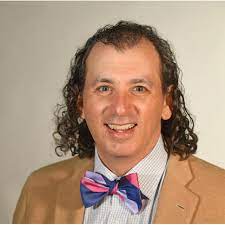
This is a personal memoir written by Dr. Michael Baruch. It is not medical advice. Every patient’s journey is unique. Always consult your transplant team and healthcare professionals before making any changes to diet, medication, or lifestyle.