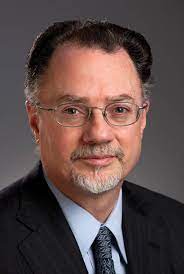
Dr. Jean Emond: The Surgeon Who Made Living Donation Real
From a desperate mother’s question in 1989 to thousands of lives saved today — one surgeon’s courage, humility, and relentless belief that love can be measured in grams of liver.
1989: The Question That Changed Everything
I was a young surgeon at the University of Chicago when Patricia Pat walked in with her dying 21-month-old daughter, Teresa. Biliary atresia had destroyed her liver. The waiting list offered no hope.
Patricia looked me in the eye and asked: “Why can’t you just take part of my liver?”
I had no good answer — only fear. No one in the United States had ever done it. But her certainty was unshakable. “If there’s any chance,” she said, “I’m willing.”
The First Cut: November 27, 1989
Two operating rooms. Two teams. One heartbeat connecting them.
In one room, we removed Patricia’s left lateral segment — about 250 grams of healthy liver. In the next, we placed it into Teresa. No cold storage. No transport delays. Just living tissue moving from one person to another.
We held our breath for days. Then weeks. Both patients recovered beautifully. The world of transplantation would never be the same.
Two Livers, One Miracle
Patricia walked on day three and went home in six days. Teresa was extubated the next morning, smiling through the ICU glass. Three weeks later they walked out together — mother and daughter, both whole again.
The transplant community watched in stunned silence, then erupted. Living donor liver transplantation was born.
From Chicago to New York
I carried that lesson with me to Columbia. Every time a parent asked whether living donation was safe, I thought of Patricia’s certainty.
Over the decades, we’ve performed hundreds of living donor transplants — babies, children, adults. Each one is a quiet echo of that first surgery in 1989.
The Legacy Today
Teresa Pat is 36 now — married, mother of her own children. I still get Christmas cards with her family photos.
And every year, a new generation of surgeons learns the technique that began with one mother’s impossible question.
We’ve learned that the liver regenerates. But so does hope. And sometimes, the greatest medical advance isn’t a new drug or machine — it’s a parent willing to give part of themselves so their child can have a future.