Immunosuppression, Viruses & Liver Transplant
Why anti-rejection medicines are necessary, how they change infection risk (especially viral infections), and how to live safely on lifelong immunosuppression.
→ Viruses & The Liver Transplant Patient
→ Vaccinations & The Immunosuppressed Patient
Immunosuppression & Viruses
After a liver transplant, your immune system recognizes the new liver as “non-self.” Without immunosuppression, immune cells can attack the graft, causing rejection and loss of function. Standard practice therefore uses long-term immunosuppressive therapy tailored to your personal rejection risk and side-effect profile [1] [2].
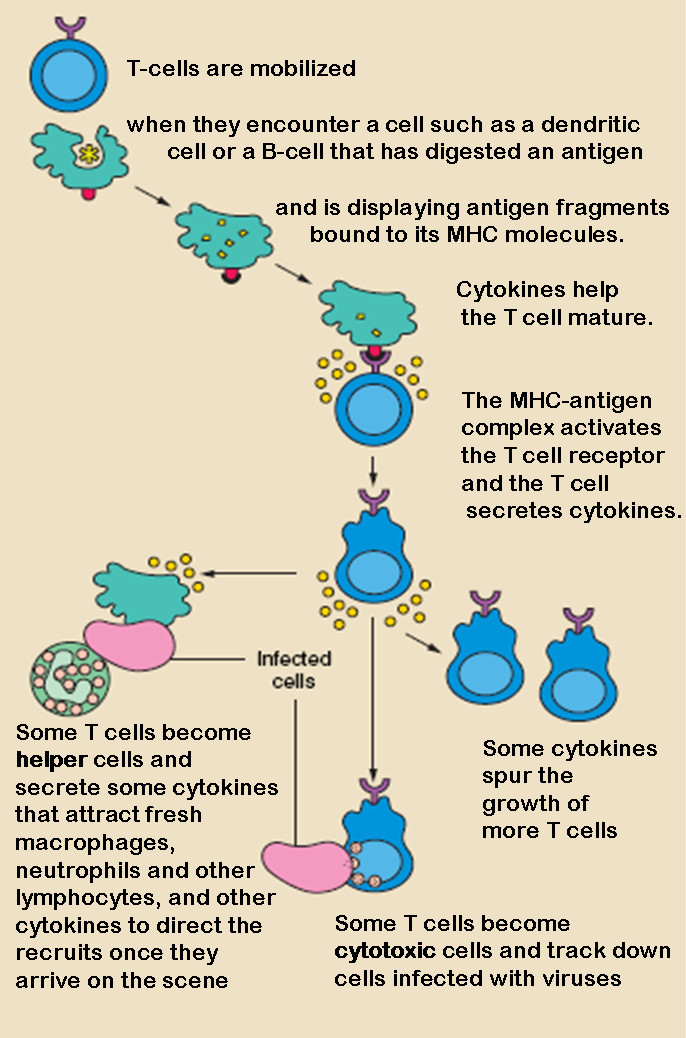
The trade-off is that immunosuppression increases susceptibility to infections—especially viral infections—because viruses are normally controlled by the same T-cell and antibody responses that anti-rejection medications dampen [1]. Early after transplant (when immunosuppression is typically highest), the risk of opportunistic infections is greatest; later, community viruses (influenza, RSV, COVID-19) become a major driver of illness and hospitalization risk.
Why You Need Immunosuppression
Rejection can be acute (days to months) or chronic (slow, progressive injury). Immunosuppression aims for a “therapeutic window”: enough suppression to prevent rejection, without so much that infections and malignancy risks become unacceptable [1] [3].
Doses are often highest early after surgery and gradually reduced as the graft stabilizes and your post-transplant course becomes clearer (for example: no rejection, stable labs, manageable infections) [3].
Core Immunosuppressive Medications
Most liver transplant regimens use a combination approach, commonly built around a calcineurin inhibitor (CNI) such as tacrolimus, sometimes paired with mycophenolate and/or a steroid taper [1] [2].
- Calcineurin inhibitors (tacrolimus, cyclosporine): effective at preventing acute rejection, but can cause kidney dysfunction, tremor, hypertension, and electrolyte changes [1].
- Mycophenolate (MMF / mycophenolic acid): often used as an adjunct to reduce CNI exposure; may cause diarrhea and cytopenias [3].
- Corticosteroids (prednisone): often used early; long-term use increases diabetes, bone loss, weight gain, cataracts, and infection risk [1].
- mTOR inhibitors (sirolimus/everolimus): sometimes used to reduce CNI nephrotoxicity or for selected cancer-risk scenarios; require individualized monitoring [3].
Your “right regimen” is individualized—often evolving based on kidney function, infections, prior rejection, metabolic complications, and cancer risk [3].
Key Viruses After Liver Transplant
Viral risk is not “one virus.” Different viruses dominate at different time-points and under different immunosuppression intensities. Your center’s monitoring and prophylaxis is designed around predictable risk patterns and your donor/recipient serostatus (for example: CMV D+/R−) [4].
- CMV (cytomegalovirus): a leading opportunistic infection in solid organ transplant; prevention strategies include prophylaxis and/or preemptive monitoring depending on risk [4].
- EBV (Epstein–Barr virus) and PTLD: EBV-driven syndromes and post-transplant lymphoproliferative disorder (PTLD) are recognized complications; many programs monitor EBV viral load in selected high-risk patients [5].
- HSV/VZV: herpes simplex and varicella-zoster can reactivate; prevention and treatment approaches vary by center and risk factors [6].
- Respiratory viruses (influenza, RSV, SARS-CoV-2): common causes of serious illness in immunocompromised people; prevention is built around vaccination, exposure reduction, and early testing/treatment plans [7] [8].
Practical point: “viral symptoms” can be subtle on immunosuppression (less fever, less dramatic inflammation). If you feel “off,” test early and call early—especially in the first months after transplant or after any steroid pulse for rejection [1].
Prevention & Prophylaxis
Many transplant programs use time-limited prophylaxis and/or viral-load monitoring during higher-risk periods, especially for CMV [4]. The exact plan depends on donor/recipient status, kidney function, drug interactions, and local protocols.
At the lifestyle level, AASLD/AST guidance emphasizes practical exposure reduction during periods of maximal immunosuppression (for example, avoiding crowded settings during peaks of respiratory illness transmission and having a clear plan for urgent evaluation) [1].
- Hand hygiene and household planning: keep sanitizer available, and ask close contacts to avoid visiting when ill.
- Early testing: do not “wait it out” with fever, cough, new diarrhea, or new confusion—test and contact the team.
- Skin cancer precautions: long-term immunosuppression increases skin cancer risk; sun protection and dermatology surveillance are routinely recommended [1].
Vaccines & Timing on Immunosuppression
Vaccination strategy in transplant patients balances two truths: vaccines reduce severe disease risk, but immune responses can be blunted on immunosuppression. The IDSA provides evidence-based guidance for vaccination in immunocompromised hosts, including transplant populations [6].
For seasonal respiratory vaccines, professional guidance commonly emphasizes optimizing timing—ideally vaccinating before transplant when possible, or after the early high-intensity immunosuppression period when feasible, while still accounting for community transmission [7].
For COVID-19, CDC clinical guidance includes specific considerations for immunocompromised people and is updated as schedules evolve [8].
Live vaccines generally require special caution in immunocompromised states; CDC best-practice guidance addresses vaccination in altered immunocompetence, including transplant-related immunosuppression contexts [9].
Drug Interactions You Must Treat as “High Stakes”
Calcineurin inhibitor levels can swing dangerously with common medications and foods. A classic example is grapefruit, which is explicitly listed on tacrolimus labeling as something to avoid because it can alter drug exposure [10].
A second major risk is starting new prescriptions (antibiotics, antifungals, seizure medications, HIV meds) without transplant-team awareness; many of these affect CYP3A metabolism and can drive tacrolimus levels up (toxicity) or down (rejection risk). DailyMed summaries also highlight grapefruit avoidance and interaction risks for tacrolimus products [11].
Practical rule: before starting any new prescription, OTC medication, or supplement, message/call the transplant team or pharmacist. “Natural” does not mean safe.
Adherence & Missed Doses
Immunosuppressants work best when taken consistently at the same times daily. Missed or delayed doses can reduce trough levels and increase rejection risk, while “doubling up” can increase toxicity risk [1].
If you miss a dose: follow your center’s written instructions or call the transplant team. Do not guess. Do not hide missed doses—honest reporting lets the team keep you safe.
When to Call Urgently
Call your transplant team urgently (or seek emergency care, depending on severity) for fever, rigors/chills, shortness of breath, chest pain, oxygen drops, persistent vomiting preventing medication intake, severe headache, new confusion, or rapidly worsening jaundice [1].
If you have active GI bleeding (vomiting blood, black/bloody stools) or fainting, treat this as an emergency—call emergency services.
Questions to Ask Your Transplant Team
- Which immunosuppressants am I on, and what is the purpose of each? [3]
- What are my target tacrolimus/cyclosporine levels right now, and how often are they checked? [1]
- What is my CMV risk category (based on donor/recipient status), and what prevention strategy are we using? [4]
- Do you monitor EBV viral load for me, and what would trigger concern for PTLD? [5]
- Which vaccines should I receive this year, and what timing is best given my current immunosuppression? [7]
- Which OTC meds/supplements are prohibited for me, and what should I do before starting any new prescription? [10]
References
- AASLD/AST Practice Guideline (2012): Long-Term Management of the Successful Adult Liver Transplant (PDF)
- AASLD/AST Practice Guideline on Adult Liver Transplantation: Diagnosis and Management of Graft-Related Complications (Liver Transplantation)
- PubMed: AASLD/AST Practice Guideline on Adult Liver Transplantation — Diagnosis and Management of Graft-Related Complications (includes immunosuppression, rejection, complications)
- AST Infectious Diseases Community of Practice Guideline (2019): Cytomegalovirus in Solid Organ Transplant Recipients (screening, prevention, treatment)
- AST Infectious Diseases Community of Practice Guideline (2019): EBV Infection and PTLD in Solid Organ Transplantation
- IDSA Guideline: Vaccination of the Immunocompromised Host
- IDSA Resource: Seasonal Respiratory Tract Infection Vaccinations in Immunocompromised Patients (includes SOT timing considerations)
- CDC: COVID-19 Vaccination Guidance for People Who Are Moderately or Severely Immunocompromised
- CDC Best Practices: Altered Immunocompetence (vaccines, live vaccine cautions, transplant-related considerations)
- FDA Label (Prograf / tacrolimus): Food and Drug Interactions (includes grapefruit warning)
- DailyMed: Tacrolimus — Drug Interaction Summary (CYP3A interactions; grapefruit avoidance)