
Multiple Endocrine Neoplasia (MEN)
Why MEN Matters Before and After Liver Transplantation
Multiple endocrine neoplasia (MEN) syndromes are inherited disorders that cause tumors in several hormone-producing glands. They are rare, but critically important to recognize in liver–transplant candidates because MEN-related neuroendocrine tumors may spread to the liver, and unrecognized endocrine tumors (such as pheochromocytoma) can make major surgery dangerous.
- MEN1 – classically affects parathyroid, pituitary and pancreatic/duodenal neuroendocrine tissues. [1]
- MEN2 – driven by RET mutations; associated with medullary thyroid carcinoma and pheochromocytoma. [3]
- MEN4 – a MEN1-like syndrome caused by CDKN1B variants; usually presents with parathyroid and pituitary tumors. [5]
- For liver transplant teams, MEN status shapes cancer risk, peri-operative endocrine management, and life-long surveillance.
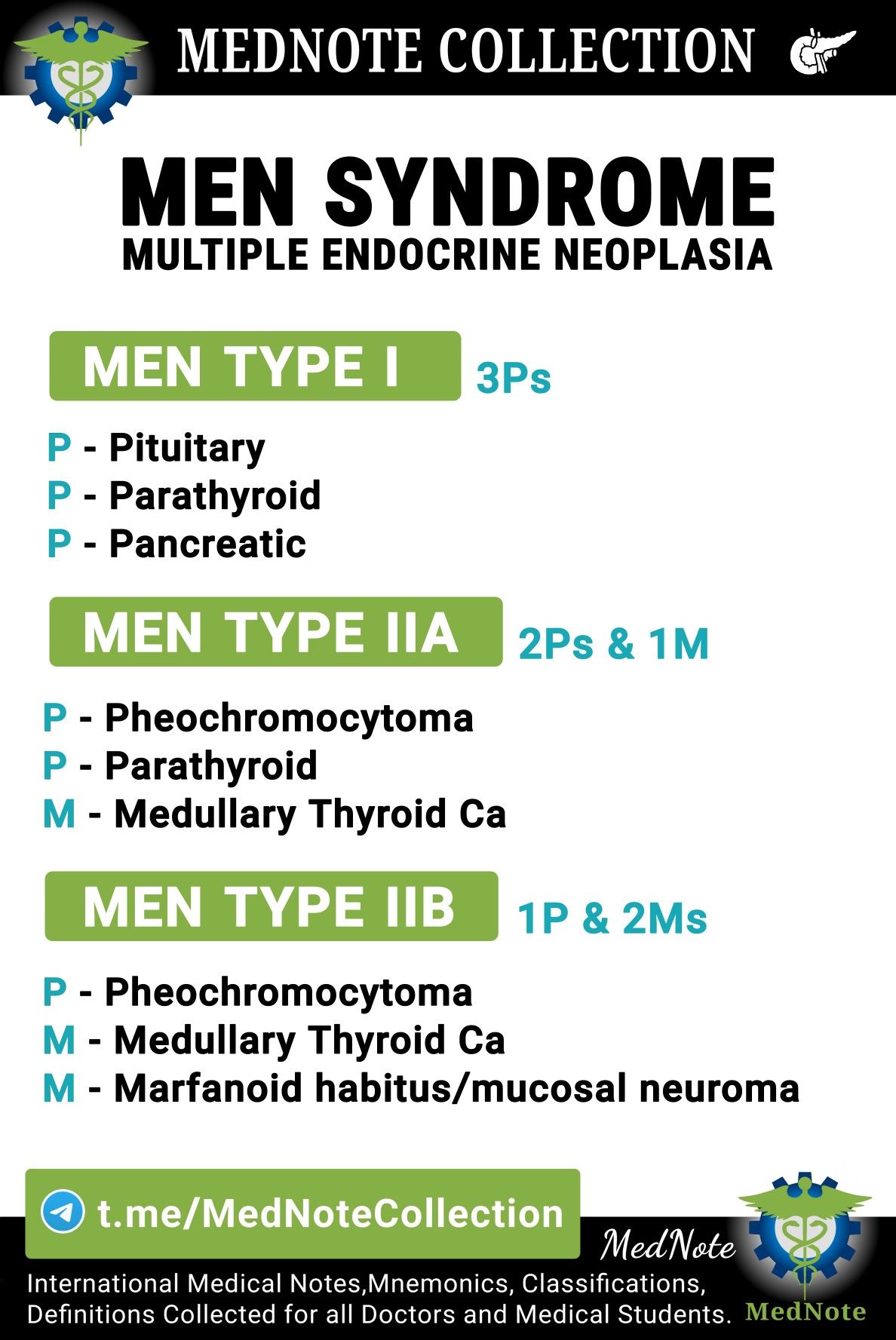
Key Facts About Multiple Endocrine Neoplasia
MEN syndromes are rare, autosomal-dominant disorders that predispose to multiple endocrine and sometimes non-endocrine tumors. They carry a high lifetime risk of tumors but, with modern genetic testing and surveillance, many complications can be prevented or detected early. [2]
- Inheritance – autosomal dominant, typically high penetrance.
- Core types – MEN1, MEN2 (MEN2A, MEN2B, FMTC), and MEN4. [2]
- First manifestation often appears in young adulthood, but some tumors occur in childhood (especially MEN2-related medullary thyroid carcinoma). [3]
- Genes involved – MEN1 (menin), RET (MEN2), and CDKN1B (p27, MEN4). [1] [3] [5]
- Cancer risk – varies by subtype but includes high risk of medullary thyroid carcinoma (MEN2) and pancreatic neuroendocrine tumors (MEN1). [3] [2]
- Liver link – MEN itself does not start in the liver, but neuroendocrine tumors (especially pancreatic/duodenal NETs) can metastasize to the liver and occasionally lead to consideration of liver transplantation. [7]
- Multidisciplinary care – requires close collaboration between endocrinology, genetics, oncology, and (for some patients) the transplant team.
Major MEN Syndromes and Typical Tumor Patterns
The classic MEN syndromes overlap clinically but differ in the main glands involved and the underlying gene mutations.
| Type | Key Tumors / Features | Gene & Notes |
|---|---|---|
| MEN1 (Wermer syndrome) |
Gene: MEN1 (menin), a tumor-suppressor gene. High risk of multiple synchronous and metachronous tumors throughout life. [2] |
|
| MEN2 (MEN2A, MEN2B, FMTC) |
Gene: activating mutations in the RET proto-oncogene. Genotype-guided timing of prophylactic thyroidectomy is standard of care. [3] |
|
| MEN4 |
|
Gene: CDKN1B (p27), another tumor-suppressor gene.
[5]
Very rare; estimated prevalence <1 per million. [6] |
Why MEN Status Matters in Liver Transplant Evaluation
MEN itself is not a primary indication for liver transplantation. However, MEN-related tumors and endocrine issues can significantly influence:
- Indication for transplant – for example, metastatic pancreatic neuroendocrine tumors (NETs) in a patient with MEN1 may lead to consideration of liver transplant when disease is liver-dominant and meets strict oncologic criteria. [7]
- Peri-operative risk – undiagnosed pheochromocytoma in MEN2 can cause severe hypertensive crises during anesthesia and transplant surgery. [3] [4]
- Long-term cancer risk – immunosuppression after transplant may increase the risk of new or recurrent endocrine and non-endocrine tumors, so MEN patients usually need even more structured cancer surveillance.
- Metabolic and bone health – longstanding hyperparathyroidism in MEN1/MEN4 increases risk of osteoporosis, bone pain, and fractures, which may worsen with chronic liver disease and post-transplant steroids. [2]
- Adrenal and pituitary function – pituitary tumors or prior pituitary surgery/radiation can result in adrenal insufficiency, hypothyroidism, or hypogonadism that require meticulous hormone replacement before major surgery. [2]
- Family implications – transplant evaluation is often an opportunity to recognize an inherited MEN syndrome in the family and refer relatives for genetic counseling and testing. [3]
Pre-Transplant Evaluation in Patients With Known or Suspected MEN
For a liver–transplant candidate with MEN – or with a family history that suggests it – the evaluation should systematically address three domains: (1) confirming the MEN diagnosis, (2) staging MEN-related tumors, and (3) optimizing endocrine function before surgery.
1. Clinical and Genetic Assessment
-
Detailed personal and family history of:
Parathyroid disease Pituitary tumors Pancreatic/duodenal NETs Medullary thyroid carcinoma Pheochromocytoma
- Review prior operative notes and pathology (e.g., thyroidectomy, parathyroidectomy, pituitary surgery, NET resections).
- Genetic testing or review of existing results:
2. Biochemical and Imaging Work-up
- Calcium & PTH – screen for hyperparathyroidism and treat significant hypercalcemia prior to transplant. [2]
- Pituitary axis – morning cortisol ± ACTH stimulation, TSH/free T4, prolactin, IGF-1, plus MRI if clinically indicated. [2]
- Gastro-entero-pancreatic NETs – fasting gastrin, insulin, glucagon, or other hormones as guided by symptoms, plus cross-sectional imaging (contrast CT/MRI) ± functional imaging and endoscopic ultrasound as available. [2]
- Pheochromocytoma screening in MEN2 or unexplained hypertension – plasma free metanephrines or 24-hr urinary fractionated metanephrines, followed by adrenal imaging if positive. [3] [4]
3. Oncologic Staging of Liver and Extrahepatic Disease
-
For MEN-related NETs with liver involvement, carefully document:
- Degree of liver involvement and number/size of metastases.
- Ki-67 index and tumor grade where available.
- Presence or absence of extrahepatic disease.
- Liver transplantation for neuroendocrine liver metastases is generally considered only when disease is liver-dominant, well-controlled at the primary site, low-to-intermediate grade, and stable under observation, as survival is best under such restrictive criteria. [7] [8]
- Patients should be discussed in a dedicated multidisciplinary tumor board with transplant, hepatology, endocrinology, oncology, radiology, and surgery represented.
Peri-Operative and Post-Transplant Considerations in MEN
Peri-Operative Endocrine Management
- Adrenal function – ensure adequate glucocorticoid coverage in patients with pituitary disease or prior steroid therapy; adjust peri-operative stress-dose steroids accordingly. [2]
- Calcium management – correct significant hypercalcemia or hypocalcemia (e.g., after parathyroidectomy) before surgery; monitor closely post-operatively as fluid shifts and transfusions may alter levels. [2]
- Pheochromocytoma – if present, definitive treatment (surgery with pre-operative alpha-blockade) should usually occur before transplant; if previously resected, confirm biochemical cure. [3] [4]
- Glucose and hormonal control – secretory NETs (insulinoma, gastrinoma, VIPoma) require careful peri-operative glucose and acid–base management. [2]
Post-Transplant Issues in MEN
- Immunosuppression strategy – aim for the lowest effective immunosuppressive exposure; some centers consider tailoring regimens in patients with strong oncologic risk, although evidence is evolving.
- Surveillance for MEN-related tumors – transplant does not eliminate predisposition to new endocrine tumors; continue MEN-specific surveillance (parathyroid, pituitary, thyroid/RET-positive, NET imaging) based on subtype. [2]
- Surveillance for NET recurrence – when transplant was performed for neuroendocrine liver metastases, long-term imaging follow-up is essential; 5-year survival can be favorable in carefully selected patients, but recurrence is not uncommon. [7] [8]
- General post-transplant cancer screening – skin exams, age-appropriate colonoscopy, breast/prostate screening, and HPV-related cancer prevention take on added importance.
Living With MEN After Liver Transplant
A person who has both MEN and a liver transplant lives at the intersection of two complex, life-long conditions. With coordinated care, quality of life can be excellent.
Core Elements of Follow-up
- Structured endocrine visits – at least yearly visits with an endocrinologist familiar with MEN, with bloodwork and imaging guided by syndrome subtype and prior tumor history. [2]
- Transplant clinic – regular monitoring of liver function, immunosuppression levels, renal function, and infection risk.
- Bone health – DEXA scans, calcium/vitamin D optimization, and other osteoporosis therapies as indicated, given the combined effects of MEN-related hyperparathyroidism, prior steroids, and chronic liver disease. [2]
Self-Advocacy for Patients and Families
-
Keep a simple written or electronic summary of:
MEN subtype Gene mutation Major surgeries Current hormonesand share it with every new clinician.
- Clarify which relatives qualify for genetic testing or surveillance and encourage them to seek counseling in a genetics clinic. [3]
- Discuss pregnancy planning, contraception, and family-building options (including pre-implantation genetic testing where appropriate) with both endocrinology and transplant teams. [3]
Frequently Asked Questions
Is MEN itself an indication for liver transplantation?
No. MEN is a genetic predisposition syndrome. Liver transplantation may be considered if MEN-related tumors (most often pancreatic or small-bowel NETs) have metastasized to the liver and the disease fulfills strict oncologic criteria for transplant (liver-dominant, controlled primary, low/intermediate grade, and acceptable performance status). [7] [8]
Does post-transplant immunosuppression make MEN tumors worse?
Immunosuppression increases the general risk of malignancy compared with the non-transplanted population. Data specifically focused on MEN are limited, but it is reasonable to assume that careful tumor control before transplant and diligent post-transplant surveillance are especially important. Your transplant and endocrine teams may individualize immunosuppression in the context of oncologic risk, although evidence is still evolving.
Should my family be tested if I have MEN and need a liver transplant?
Yes. Because MEN is typically autosomal dominant, each first-degree relative has a 50% chance of carrying the familial mutation. Genetic counseling and testing allow at-risk relatives to begin targeted surveillance or prophylactic surgery (for example, early thyroidectomy in RET-positive children with MEN2). [3]
Does MEN1-related hyperparathyroidism change transplant timing?
Hyperparathyroidism itself usually does not dictate transplant timing, but uncontrolled hypercalcemia should be addressed before major surgery. Management decisions (parathyroidectomy vs. medical therapy) are individualized based on symptoms, calcium levels, renal function, bone density, and the overall urgency of liver transplantation. [1]
This page is provided for educational purposes only and does not constitute personal medical advice, diagnosis, or treatment. Multiple endocrine neoplasia syndromes and liver transplantation are complex, rapidly evolving fields that require individualized evaluation by qualified clinicians and transplant centers.
If you or a family member may have MEN, or if you are being evaluated for liver transplantation, you should review this information with your hepatologist, transplant surgeon, endocrinologist, genetic counselor, and primary-care provider. Never delay or change your medical care based on online information alone.
Selected References
These references link directly to peer-reviewed reviews and major reference texts.
- [1] Singh G, et al. Multiple Endocrine Neoplasia Type 1. StatPearls [Internet]. NCBI Bookshelf.
- [2] Pieterman CRC, et al. Multiple Endocrine Neoplasia Type 1. Endotext. NCBI Bookshelf.
- [3] Eng C. Multiple Endocrine Neoplasia Type 2. GeneReviews®. NCBI Bookshelf.
- [4] Yasir M, et al. Multiple Endocrine Neoplasias Type 2. StatPearls [Internet]. NCBI Bookshelf.
- [5] Ahmed FW, et al. Multiple Endocrine Neoplasias Type 4. StatPearls [Internet]. NCBI Bookshelf.
- [6] de Herder WW, et al. Multiple Endocrine Neoplasia Type 4. Endotext. NCBI Bookshelf.
- [7] Lai Q, et al. Liver Transplantation for the Cure of Neuroendocrine Liver Metastasis: A Systematic Review with Particular Attention to the Risk Factors of Death and Recurrence. Biomedicines. 2024.
- [8] Gedaly R, et al. Liver transplantation for the treatment of neuroendocrine liver metastases (NELM): current evidence and selection criteria. Front Surg. 2025.