Lactulose & Hepatic Encephalopathy
Why lactulose is the first-line therapy for hepatic encephalopathy, how it clears ammonia, and how patients can use it safely before and after liver transplant.
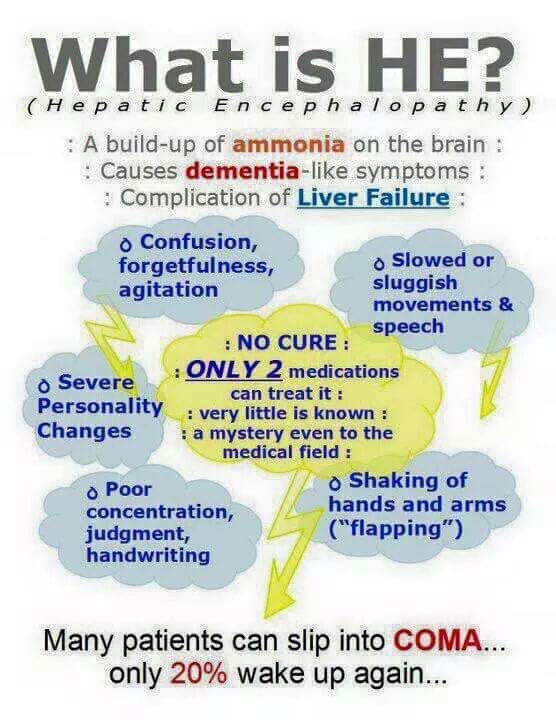
Hepatic encephalopathy (HE) is a reversible brain dysfunction caused by toxins the liver can no longer clear. Lactulose is recommended by every major liver society as **first-line therapy** to treat and prevent HE. [2][3]
This page explains:
- What HE is
- How lactulose works
- Dosing and titration
- Side effects and safety
- When to call your transplant team
Hepatic Encephalopathy Overview
HE occurs when the liver cannot clear toxins such as ammonia, which then enter the brain and cause confusion, behavior changes, or even coma. [1]
- Sleep–wake reversal
- Memory trouble
- Irritability or apathy
- Asterixis (hand-flapping)
- Disorientation
What Is Lactulose?
Lactulose is a **non-absorbable synthetic sugar** used at higher doses to treat HE by lowering blood ammonia levels.[5]
- Not absorbed into blood
- Fermented by gut bacteria
- Lowers colon pH
- Traps ammonia for elimination
How Lactulose Works
Lactulose improves HE through three main mechanisms:
- **Acidifies the colon**, converting ammonia (NH₃) to ammonium (NH₄⁺), which cannot cross the gut wall.[7]
- Acts as an **osmotic laxative**, increasing stool water and bowel movements to flush toxins.[5]
- Improves gut flora composition, lowering ammonia production.[7]
How Lactulose Is Used
Acute HE Episode
In overt HE, lactulose is given frequently until mental status improves, then adjusted to maintain 2–3 soft stools/day.[2]
Prevention
After any HE episode, guidelines recommend **ongoing daily lactulose** to prevent recurrence. If HE continues, rifaximin is added.[10]
Side Effects & Safety
Common effects:
- Gas and bloating
- Cramping
- Loose stools
- Sweet taste
Too much lactulose can cause:
- Dehydration
- Low sodium or potassium
- Kidney strain
When to Call Your Team
- New confusion or personality change
- Inability to stay awake
- Missed doses followed by worsening symptoms
- Severe diarrhea or signs of dehydration
Call **911** for:
- Unresponsiveness
- Vomiting blood
- Severe agitation or hallucinations
© Dr. Michael Baruch · LiverTransplantGuide.com