Kato · Patient Lessons for Liver Transplant
How one surgeon’s experience as a critically ill patient can help you prepare, ask better questions, and navigate liver transplant with more confidence.
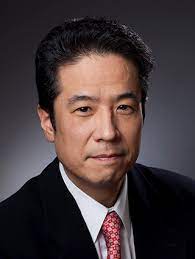
Who Dr. Kato Is — and Why Patients Notice
As a surgeon, Tomoaki Kato, MD, is known for complex multi-organ and liver transplantation, ex vivo tumor surgery, and leadership of abdominal organ transplant programs at NewYork-Presbyterian/Columbia. [1]
For patients, what stands out is something different: he has lived through his own near-fatal illness. That experience changes how he listens, how he explains risk, and how he talks about the slow, messy process of getting better.
What He Lived Through — Surgeon Becomes Patient
In 2020, during the early phases of the COVID-19 pandemic, Dr. Kato developed severe infection with multiorgan failure. He required prolonged ICU care, mechanical ventilation, and advanced life support. Columbia and NewYork-Presbyterian later published his story as an “amazing comeback”. [2][4]
After months of rehabilitation, he returned to surgery and completed the New York City Marathon — not as a publicity event, but as a personal marker that life after critical illness can still be meaningful and active. [2]
When he now sits with patients, he brings two perspectives:
- Technical — decades of experience in some of the most complex abdominal operations performed anywhere.
- Patient-centered — firsthand knowledge of fear, loss of control, and the long haul of recovery.
Before Your Visit — How to Prepare Like a Pro
Major centers such as Columbia, NewYork-Presbyterian, and programs described by the NIDDK emphasize the same core steps before transplant: evaluation at a transplant center, review of your liver disease and other conditions, and detailed discussion of the surgery and its long-term demands. [5][6][7]
Drawing from what Dr. Kato often explains to patients, you can prepare by:
1. Know Your Story (Briefly)
- Write a one-page summary of your liver disease: diagnosis, key tests, hospitalizations, and current symptoms (ascites, encephalopathy, bleeding).
- Include other major illnesses (heart, lung, kidney, diabetes, cancer).
- Have a list of your medicines and allergies ready in writing.
ICU & Early Recovery — What to Expect
After liver transplant surgery, NIDDK and major centers describe a predictable path for most patients: time in the ICU, then time on a step-down unit, and a gradual move toward walking, eating, and self-care. [7][9][10]
From Dr. Kato’s lived experience and transplant guidelines, key realities you and your family should know:
- Monitors and tubes — expect ventilators (at least early), multiple IVs, arterial lines, drains, and urinary catheters.
- Delirium and confusion — many patients have patchy memory and strange dreams; this is common after long ICU stays.
- Pain + exhaustion — effective pain control is important, but no regimen completely removes discomfort after major surgery.
- Immunosuppression — transplant teams typically start anti-rejection medications immediately; you will likely be on these for life. [9][10]
Long-Term Living — Turning Survival into Life
NIDDK and major transplant centers stress that transplant is not a “cure” but a trade: you move from life-threatening liver failure to a life with a new organ, daily medicines, and ongoing follow-up. [6][9][10]
Lessons patients often draw from Dr. Kato’s marathon-after-COVID story:
- Set milestones — sitting up, walking to the door, walking the hallway, getting outside, returning to one hobby, etc.
- Expect setbacks — infections, readmissions, medication side effects, and mood changes are common after major transplant.
- Stay connected — follow-up visits, blood tests, vaccinations, and communication with your hepatology/transplant team are lifelong tasks. [6][9]
- Meaning matters — many survivors find that goals like seeing a grandchild, returning to teaching, or simply walking in a park become powerful motivators.
Questions to Ask Your Team — Inspired by Kato
If you were sitting with a surgeon who has led multivisceral transplants and also survived life-threatening illness, here are examples of questions you might bring — a blend of technical and human:
Technical & Center Experience
- How many liver transplants does this center perform each year?
- How often do you see cases like mine (diagnosis, anatomy, prior surgery)?
- Who will be in the operating room, and who will lead the operation?
- What are the biggest risks in my case — bleeding, infection, rejection, clotting, or something else? [7][8][10]
Human, Practical, and Long-Term
- What will my first week in the ICU probably look like?
- What are realistic goals for 1 month, 3 months, and 1 year after transplant?
- What support (social work, psychology, rehab, nutrition) is available?
- If you were in my position, what would you want to know that patients often forget to ask?
References
- Columbia Surgery — Tomoaki Kato, MD (profile)
- CUIMC — An Amazing Comeback from COVID: Dr. Kato’s Story
- YouTube — Tomoaki Kato, MD (biographical video)
- NYP Health Matters — I Survived Because of Everybody’s Hard Work
- NIDDK — Treatment for Cirrhosis (includes transplant as an option)
- NIDDK — Liver Transplant (definition, process, living with a transplant)
- NIDDK — Preparing for a Liver Transplant
- Cleveland Clinic — Liver Transplant: Criteria, Procedure, Recovery & Outlook
- NIDDK — Liver Transplant Surgery
- NIDDK — Living with a Liver Transplant
© Dr. Michael Baruch · LiverTransplantGuide.com