Gabapentin for Pain Management After Liver Transplant
Gabapentin is frequently used as part of multimodal (opioid-sparing) postoperative analgesia [1]. It is most appropriate when pain has neuropathic features (burning/tingling/shooting pain) because it targets the α2δ calcium-channel pathway involved in neuropathic pain signaling [2]. Since gabapentin is eliminated primarily by the kidneys, dosing must be individualized and adjusted for renal function [3][4].
- Best for: nerve-type pain; may help reduce opioid exposure in selected patients.
- Must-dose-by-kidney: renal function can change post-transplant; reassess frequently early on.
- Safety: FDA warns about breathing problems in susceptible patients, especially with opioids/CNS depressants.
Introduction and Overview
Pain after liver transplant can come from several sources: the incision and deep abdominal tissues, drains, postoperative inflammation, and (in some patients) nerve irritation from surgical retraction, prolonged positioning, or critical illness. Because pain affects breathing, mobility, sleep, and rehabilitation participation, many centers rely on multimodal analgesia—using different classes of medications to improve comfort while reducing opioid dose and opioid-related adverse effects [1].
Gabapentin was developed as an anticonvulsant but is widely used for neuropathic pain. It has minimal hepatic metabolism and is largely eliminated unchanged by the kidneys, which is why kidney function determines dosing strategy [3][4][12].
Mechanism of Action
Gabapentin does not directly activate GABA receptors. Its analgesic activity is primarily linked to binding the α2δ-1 subunit of voltage-gated calcium channels, reducing excitatory neurotransmission in pain pathways [2]. This action is particularly relevant in neuropathic pain states, where “overactive” pain signaling can persist despite tissue healing.
When to Consider Gabapentin After Liver Transplant
Gabapentin is typically considered in these scenarios (always individualized to kidney function, sedation risk, and overall recovery):
- Neuropathic features: burning, tingling, pins-and-needles, electric/shooting pain, allodynia (pain from light touch). Evidence-based neuropathic pain guidance supports gabapentin among effective therapies in multiple neuropathic pain conditions [5].
- Opioid-sparing multimodal plans: as part of a structured multimodal regimen (center-specific). A liver-transplant multimodal order set has been studied to reduce postoperative opioid use [9].
- Persistent pain beyond expected healing: when pain continues beyond typical surgical recovery and has neuropathic qualities [5].
Infographics (Peer-Reviewed Figures)
These two graphics are from open-access, peer-reviewed articles hosted by PubMed Central (PMC). They are helpful if you want a visual explanation of where gabapentin acts and how it can reduce neuropathic pain signaling [10][11].


Dosing, Titration, and Renal Adjustment
There is no single “liver transplant gabapentin dose.” Dosing is individualized based on pain type, sedation, age, and kidney function. FDA labeling provides standard titration frameworks and explicit guidance that dose reduction is required in renal impairment [3]. Clinical summaries also emphasize kidney-based dose adjustments because gabapentin is renally eliminated [4][12].
- Start low (often at night): to reduce dizziness/somnolence during daytime rehab.
- Increase slowly: titrate in small increments every few days if needed and tolerated.
- Re-check kidney function: early post-transplant renal function can change; doses may need rapid adjustment.
If gabapentin must be reduced or discontinued, many labels recommend doing so gradually (rather than abruptly), depending on indication and clinical context [3].
Efficacy: What It Helps and What It Does Not
Evidence for gabapentin is strongest in neuropathic pain conditions. A randomized trial in painful diabetic neuropathy demonstrated improvements in pain (including sleep interference) [6], and broader neuropathic pain recommendations support gabapentin as an effective option in many neuropathic contexts [5].
For acute postoperative pain, systematic reviews and clinical practice patterns have reported opioid-sparing and analgesic effects in various surgeries, but benefits can be modest and must be weighed against sedation/dizziness [7]. In liver transplantation specifically, a multimodal pain order set (which included gabapentin as a standardized component with renal adjustment) was evaluated for opioid reduction after liver transplant [9].
Side Effects and Safety Profile
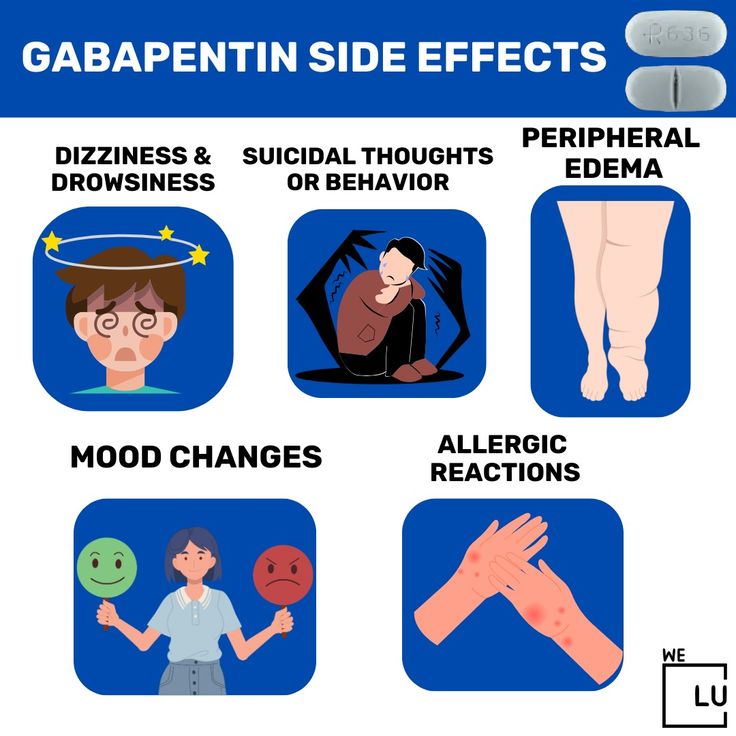
The most common issues are dose-related central nervous system effects (dizziness, somnolence). FDA labeling lists common adverse effects and includes warnings about neuropsychiatric events (including suicidal thoughts/behavior) [3].
- Dizziness / somnolence: can increase fall risk—important during early ambulation and rehab [3].
- Cognitive slowing (“fog”): more likely with higher doses or renal impairment/accumulation [4].
- Peripheral edema / weight gain: reported in some patients (monitor if fluid retention is a concern) [3].
High-Risk Situations and When to Be Extra Cautious
The FDA warns that serious breathing difficulties can occur with gabapentin or pregabalin in patients with respiratory risk factors, including concomitant opioid use or other CNS depressants, underlying lung disease (e.g., COPD), and older age [8]. This is particularly relevant early post-transplant when opioids may still be used.
- Current opioid therapy or sedating medications (sleep agents, benzodiazepines, etc.)
- Sleep apnea, COPD, or other chronic lung disease
- New confusion, excessive sleepiness, or a recent fall
- Worsening kidney function (creatinine rising, low urine output)
Monitoring and Tapering
After transplant, monitoring is practical and symptom-driven:
- Function goals: “Can you walk, cough/breathe deeply, and sleep?” rather than “zero pain.”
- Safety goals: no excessive daytime sleepiness, falls, or confusion.
- Renal monitoring: because renal clearance drives gabapentin exposure and toxicity risk [4].
If gabapentin is no longer needed, many clinicians reduce gradually to avoid rebound symptoms and to track whether pain returns. FDA labeling also addresses gradual dose reduction when discontinuing or switching therapy [3].
FAQ (Fast Answers)
Is gabapentin “hard on the liver”?
Gabapentin has minimal hepatic metabolism and is largely renally eliminated, so liver processing is not the primary issue; kidney function is
[12][4].
Will it replace opioids?
Usually no. It may reduce opioid dose in selected patients, but is most helpful when neuropathic pain features are present or as part of
multimodal strategies
[1][7].
When should I call the transplant team?
New confusion, extreme sleepiness, falls, or breathing difficulty—especially if on opioids or if you have lung disease/sleep apnea
[8][3].
Why does dosing change so often after transplant?
Kidney function can fluctuate during recovery. Since gabapentin exposure tracks renal clearance, dose adjustments may be required
[4][3].
References
- Chou R, Gordon DB, de Leon-Casasola OA, et al. Management of Postoperative Pain (Clinical Practice Guideline). Journal of Pain (full text) .
- Patel R, Dickenson AH. Mechanisms of the gabapentinoids and α2δ-1 calcium channel subunit in neuropathic pain. PubMed Central (PMC) full text .
- U.S. Food and Drug Administration (FDA). NEURONTIN (gabapentin) prescribing information (dosing, renal adjustment, warnings). FDA label (PDF) .
- Mersfelder TL, Nichols WH. Rational dosing of gabapentin and pregabalin in chronic kidney disease. PubMed Central (PMC) full text .
- Finnerup NB, Attal N, Haroutounian S, et al. Pharmacotherapy for neuropathic pain in adults (systematic review/meta-analysis; NeuPSIG recommendations). PubMed Central (PMC) full text .
- Backonja M, Beydoun A, Edwards KR, et al. Gabapentin for the symptomatic treatment of painful diabetic neuropathy (randomized trial). JAMA article .
- Ho KY, Gan TJ, Habib AS. Gabapentin and postoperative pain: a systematic review of randomized controlled trials. PubMed record .
- FDA. Warning: serious breathing problems with gabapentin/pregabalin (especially with opioids or respiratory risk factors). FDA safety communication .
- Tong K, et al. Implementation of a Multimodal Pain Management Order Set after Liver Transplantation (opioid reduction evaluation). PubMed record .
- Patel R, Dickenson AH. Figure used on-page (sites of action schematic). PMC source article .
- Chen J, et al. Graphic used on-page (α2δ-1–NMDA receptor complex schematic). PMC source article .
- Yasaei R, Katta S, Saadabadi A. Gabapentin (clinical overview; pharmacokinetics and dosing concepts). NCBI Bookshelf (StatPearls) .