Fear & Anxiety Before Liver Transplant
Waiting for a liver transplant is one of the most frightening experiences a patient and family can face. Fear of dying, fear of surgery, fear of rejection, and fear of the unknown are completely normal — and very common. This page helps you understand, name, and manage those fears.
Why Fear Is Normal & Expected
Waiting for a life-saving organ transplant is inherently terrifying. Studies show that up to 70 % of pre-transplant patients experience significant anxiety and 30–40 % meet criteria for clinical depression. These emotions do not mean you are weak — they are a natural response to a life-threatening illness and an uncertain future. Acknowledging fear is the first step toward managing it.[1]
The Most Common Fears
Patients consistently report: fear of dying before an organ arrives, fear of the surgery itself, fear of pain and long recovery, fear of rejection or graft failure, fear of lifelong medications and side effects, fear of financial burden, and fear of becoming a burden on family. Many also fear “What if I’m not strong enough?” — a completely valid concern when facing the biggest challenge of your life.[2]
Fear of Dying on the Waitlist
With approximately 1,000 patients dying annually in the U.S. while waiting, this fear is grounded in reality. However, MELD allocation prioritizes the sickest first, and modern supportive care (TIPS, dialysis, ICU bridging) has dramatically improved survival while waiting. Most listed patients do receive a transplant in time — especially at high-volume centers.[1]
Fear of Surgery & Recovery
Liver transplant is major surgery (6–12 hours), but perioperative mortality is now <3 % at experienced centers. Pain is well controlled with modern protocols, and most patients are out of ICU within 3–5 days and discharged in 7–14 days. Early mobilization and aggressive physical therapy mean the majority regain independence quickly. Survivors overwhelmingly say the surgery was far less frightening than anticipated.[2]
Fear of Rejection & Graft Failure
Acute rejection occurs in ~20–30 % of patients but is usually reversible with medication adjustments. Chronic rejection is now rare (<5 %). With modern immunosuppression, 1-year graft survival exceeds 90 % and 10-year survival approaches 70 %. Regular bloodwork and clinic visits catch problems early — giving you excellent long-term protection.[2]
Fear of Lifelong Medications & Lifestyle Changes
Immunosuppression is lifelong, but most patients take only 2–4 pills daily after the first year. Side effects (tremor, diabetes, hypertension) are common but manageable. Dietary freedom returns, alcohol is generally prohibited, and exercise is encouraged. Most recipients describe their new life as “normal again” — not perfect, but vastly better than end-stage liver disease.[2]
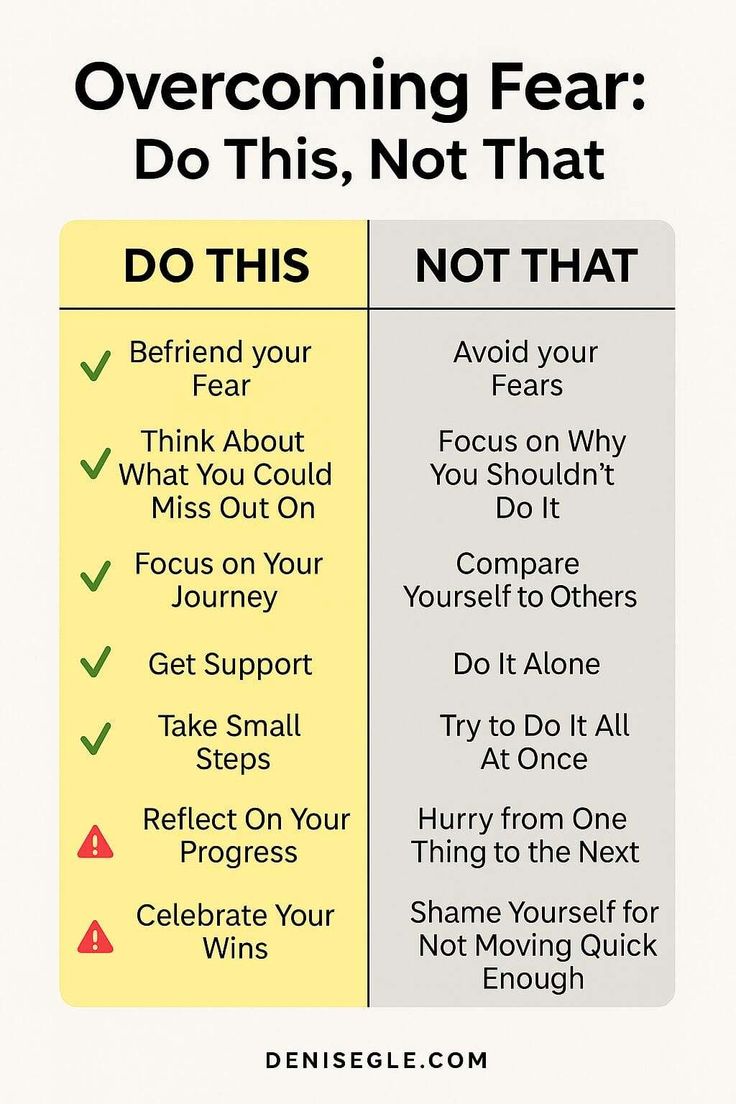
Talk openly with your transplant psychologist or social worker (standard part of every team), join a support group, practice mindfulness or guided imagery, write down your fears and share them, focus on one day at a time, stay connected with transplant survivors, and celebrate small victories (better labs, stable weight, family milestones). Medication for anxiety or depression is safe and effective when needed.[1]
Family & Caregiver Role
Caregivers often feel helpless and terrified too. Encourage them to attend support groups, speak with the team, and practice self-care. Reassure them that asking for emotional help is a sign of strength. Many centers offer family counseling — use it. A supported caregiver becomes a stronger pillar for the patient.[1]
References
- Yoh S, et al. Depression and psychosocial correlates of liver transplant candidates: a systematic review. Asia Pac Psychiatry. 2014 Dec;6(4):334-44.
- Cordoba-Alvarado R, et al. Quality of life, anxiety, and depression improve at one-year after liver transplantation in patients with advanced liver disease. Front Transplant. 2024;3:1476952.
- Mayo Clinic – Liver Transplant Overview & Outcomes