End-Stage Liver Disease (ESLD) and Cirrhosis
Cirrhosis is permanent liver scarring. ESLD (often “decompensated cirrhosis”) is the clinical phase when portal hypertension and impaired hepatic reserve cause major complications—events that change prognosis and transplant urgency. This master page integrates causes, complications, diagnosis, management, MELD/MELD 3.0, and an embedded MELD 3.0 calculator. [1] [9] [11]
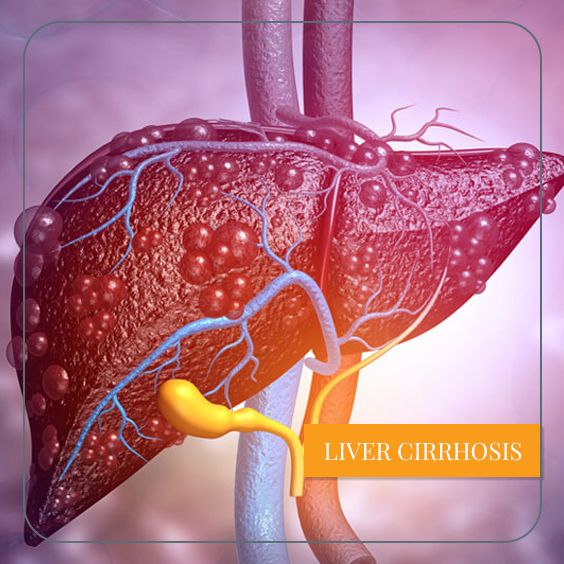
End-stage liver disease (ESLD) is best understood as the phase in which chronic liver injury—most commonly cirrhosis—has progressed to clinically meaningful loss of hepatic reserve and/or complications of portal hypertension. Many patients remain compensated (no major complications) for years; the transition to decompensation (ascites, variceal bleeding, encephalopathy, jaundice, hepatorenal syndrome) marks a pivotal prognostic inflection point and often triggers transplant evaluation and objective risk assessment using MELD-based scoring. [1] [10]
Often few symptoms; focus on etiology-directed therapy, surveillance, vaccination, and proactive prevention to delay decompensation. [1]
Defined by major complications; typically changes prognosis and escalates transplant urgency and MELD tracking. [10]
Chronic liver disease and cirrhosis remain a substantial public health burden. In the United States, the CDC reports 52,222 deaths from chronic liver disease and cirrhosis in 2023 (15.6 per 100,000; ranked 9th as a cause of death). Clinically, these data support earlier fibrosis detection, cause-directed interventions, and streamlined referral pathways for transplant evaluation once decompensation occurs. [2]
| Metric | What it indicates | Why it matters |
|---|---|---|
| U.S. deaths (2023)[2] | Mortality attributed to chronic liver disease/cirrhosis | Reinforces the need for prevention, earlier diagnosis, and complication surveillance |
| MELD-based allocation[11] | Objective prioritization of waitlist urgency | Provides a shared language for transplant timing and risk communication |
| MELD 3.0 (July 2023)[11] | Updated prediction model in OPTN/UNOS system | Improves risk prediction; incorporates albumin and sex |
Cirrhosis is the shared end pathway for diverse etiologies. Practical clinical categorization includes: (1) toxic/metabolic injury, (2) viral infections, (3) immune-mediated/cholestatic disease, (4) genetic/metabolic storage disorders, and (5) less common vascular or drug-related causes. The modules below are written as “cause-specific subpages inside the master page,” so you can later split them into standalone pages by copy/paste without reauthoring. [1] [6]
Abstinence support + nutrition + complication control; transplant pathways are individualized. [5]
Metabolic optimization and noninvasive fibrosis risk stratification emphasized by AASLD. [6]
HBV requires long-term strategies; HCV often curable; HDV is aggressive and specialist-driven. [7][8][15]
Immune-mediated hepatocellular inflammation; immunosuppression strategies require careful monitoring. [13]
Chronic cholestatic disease; UDCA is first-line, with add-on pathways for incomplete response. [14]
Progressive cholangiopathy; surveillance and malignancy risk management are central. [12]
Iron overload; early therapy can prevent cirrhosis and reduce complications. [16]
Copper overload with hepatic and neuropsychiatric features; transplant for fulminant/advanced disease. [18]
Proteotoxic liver injury; surveillance and transplant evaluation when advanced. [19]
- Drug-induced chronic injury can contribute to fibrosis/cirrhosis in susceptible patients. [1]
- Vascular/congestive hepatopathy (e.g., chronic right-sided heart failure) may progress to fibrosis/cirrhosis. [1]
- Cryptogenic cirrhosis is increasingly reclassified with deeper phenotyping (metabolic risk, alcohol exposure, genetics). [6]
Alcohol-associated liver disease spans steatosis, alcoholic hepatitis, and cirrhosis. Transplant-relevant care focuses on durable alcohol cessation, structured addiction support, nutrition repletion (including sarcopenia risk), and aggressive complication management. Abstinence is the most important disease-modifying intervention; for advanced disease, transplant evaluation is typically triggered by decompensation events, frequent hospitalizations, and MELD trajectory within center-specific policies and multidisciplinary assessment models. [5] [1]
MASLD/NAFLD is linked to obesity, insulin resistance, type 2 diabetes, and metabolic syndrome. Depth-A transplant relevance emphasizes systematic fibrosis risk stratification using noninvasive pathways, aggressive cardiovascular risk reduction, and comorbidity optimization (renal function, weight, frailty). In advanced cirrhosis, decompensation and MELD trajectory guide transplant urgency, while cardiopulmonary assessment frequently becomes the rate-limiting step for listing readiness. [6]
Autoimmune hepatitis is immune-mediated hepatocellular inflammation that can progress to fibrosis and cirrhosis without treatment or with refractory disease. Depth-A transplant relevance includes structured diagnostic evaluation, guideline-based immunosuppression strategy selection, and longitudinal monitoring for biochemical response and toxicity. When advanced cirrhosis is present, decompensation events and MELD trajectory determine transplant urgency, while infection risk management becomes increasingly important. [13]
Primary biliary cholangitis is a chronic autoimmune cholestatic disease characterized by progressive loss of intrahepatic bile ducts, potentially leading to cirrhosis. Depth-A management emphasizes first-line ursodeoxycholic acid therapy and structured assessment of biochemical response; guideline pathways address additional agents for incomplete response. Symptom burden (e.g., pruritus) can be substantial even before decompensation, and advanced disease requires standard complication management plus transplant evaluation when clinically indicated. [14]
Primary sclerosing cholangitis is a progressive cholangiopathy frequently associated with inflammatory bowel disease and notable for malignancy risks, including cholangiocarcinoma. Depth-A transplant relevance centers on diagnostic clarity, surveillance strategies, management of strictures and recurrent cholangitis, and early transplant discussions when clinical course is driven by cholestatic complications that may be disproportionate to MELD. Care is typically multidisciplinary with hepatology, endoscopy, and oncology pathways when indicated. [12]
Hereditary hemochromatosis causes iron accumulation that can drive fibrosis and cirrhosis. Depth-A management emphasizes early recognition and iron reduction therapy (typically phlebotomy) to prevent progression and reduce complications when initiated before advanced fibrosis. In established cirrhosis, standard surveillance and complication management apply; transplant evaluation is guided by decompensation, HCC risk, and hepatic functional decline, alongside assessment of extrahepatic manifestations. [16]
Wilson disease is a disorder of copper metabolism with hepatic and neuropsychiatric manifestations. Depth-A transplant relevance includes diagnostic criteria application in younger patients with unexplained liver disease, long-term anti-copper therapy planning and adherence monitoring, and prompt recognition of fulminant hepatic failure where transplant can be lifesaving. In advanced chronic disease, transplant consideration is based on decompensation, functional decline, and refractory course under specialist-directed therapy. [18]
Alpha-1 antitrypsin deficiency can cause liver disease via hepatocyte retention of abnormal A1AT protein, leading to proteotoxic injury, fibrosis, and cirrhosis. Depth-A transplant relevance includes surveillance for progression, management of cirrhosis complications, and timely transplant evaluation in decompensated disease. Because A1ATD can also cause emphysema, transplant workup often incorporates coordinated pulmonary evaluation and optimization. [19]
Decompensation reflects the combined effects of portal hypertension and impaired hepatic reserve. Major complications defining ESLD include ascites, variceal hemorrhage, hepatic encephalopathy, jaundice, and hepatorenal syndrome. Each event increases near-term mortality risk and typically escalates transplant urgency. HCC risk is also increased in cirrhosis and can accelerate transplant pathways under policy-based criteria. [1]
Diagnosis begins with clinical history, exam, and laboratory assessment (bilirubin, INR, albumin, platelet count), combined with imaging to evaluate liver morphology, portal hypertension surrogates, and focal lesions. Noninvasive fibrosis assessment and elastography can support staging and risk stratification in appropriate contexts, while biopsy is reserved for diagnostic uncertainty or when results will change management. Etiology testing is selected based on risk profile and clinical suspicion. [3] [6]
Management is dual-track: (1) treat the cause to slow or halt progression and (2) prevent and manage complications to reduce hospitalization and improve survival and quality of life. The cause-specific modules above summarize guideline-driven priorities and are designed for later extraction into standalone subpages. In advanced disease, transplant evaluation is guided by decompensation, MELD trajectory, and individualized risk factors including frailty and comorbidities. [5] [6] [7] [8] [13] [14] [12]
MELD-based models estimate short-term mortality risk in advanced liver disease and are used for transplant waitlist prioritization. Traditional MELD uses bilirubin, INR, and creatinine; MELD-Na incorporates sodium; MELD 3.0 updates coefficients and incorporates albumin and sex to improve prediction and address disparities. In the U.S., MELD 3.0 was implemented in July 2023 within the OPTN system. [9] [11] [21]
Population-level 3-month mortality estimates by score band are summarized below as presented in a clinical reference table. [20]
| Score band | MELD (3-mo mortality) | MELD-Na (3-mo mortality) | MELD 3.0 (3-mo mortality) |
|---|---|---|---|
| < 9 | 1.9% | 1.8% | 0.6% |
| 10–19 | 6.0% | 6.2% | 6.7% |
| 20–29 | 19.6% | 28.0% | 24.8% |
| 30–39 | 52.6% | 51.8% | 41.9% |
| > 40 | 71.3% | 37.3% | 51.1% |
This embedded calculator computes MELD 3.0 using the published formula and standard caps/floors (bilirubin/INR/creatinine minimum 1.0; sodium 125–137; albumin 1.5–3.5; creatinine capped at 3.0). It also estimates 90-day survival using the published transformation. [21]
MELD 3.0 = round(1.33*(Female) + 4.56*ln(Bilirubin) + 0.82*(137−Sodium) − 0.24*(137−Sodium)*ln(Bilirubin) + 9.09*ln(INR) + 11.14*ln(Creatinine) + 1.85*(3.5−Albumin) − 1.83*(3.5−Albumin)*ln(Creatinine) + 6) [21]
- NIDDK — Cirrhosis (definition, progression, symptoms/causes overview)
- CDC FastStats — Chronic Liver Disease or Cirrhosis (U.S. mortality statistics, 2023)
- NIDDK — Diagnosis of Cirrhosis
- AASLD — Alcohol-Associated Liver Disease (practice guidance)
- Rinella et al. — AASLD Practice Guidance on NAFLD (Hepatology, 2023; PubMed)
- Terrault et al. — AASLD 2018 Hepatitis B Guidance (PMC full text)
- AASLD/IDSA — HCVGuidelines.org (testing, managing, and treating hepatitis C)
- Kim et al. — MELD 3.0 (Gastroenterology, 2021; PMC full text)
- Merck Manual Professional — Cirrhosis (clinical overview)
- UNOS — Improvements to MELD and PELD now in effect (July 2023 implementation)
- AASLD — Primary Sclerosing Cholangitis and Cholangiocarcinoma (practice guidance)
- AASLD — Diagnosis and Management of Autoimmune Hepatitis
- AASLD — Primary Biliary Cholangitis (practice guidance)
- EASL Clinical Practice Guidelines — Hepatitis Delta Virus (J Hepatol, 2023)
- Bacon et al. — AASLD Hemochromatosis Practice Guideline (Hepatology, 2011; PMC)
- AASLD — Wilson Disease (practice guidance)
- AASLD — Alpha-1 Antitrypsin Deficiency and liver disease (clinical overview)
- Merck Manual Professional — MELD Scores and Mortality (table)
- University of Washington Hepatitis C Online — MELD 3.0 Calculator (formula, caps, 90-day survival equation)