Endoscopy in Liver Disease & Transplantation
Upper and lower gastrointestinal endoscopy, along with advanced techniques such as ERCP and EUS, are essential tools for diagnosing and treating complications of cirrhosis, portal hypertension, and post-transplant issues. This page covers screening, therapeutic interventions, sedation safety, and their critical role before and after liver transplantation.
Overview & Types of Endoscopy
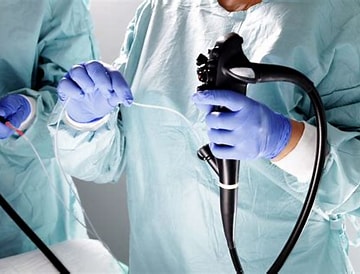
Endoscopy is indispensable in managing liver disease and transplantation. Esophagogastroduodenoscopy (EGD) evaluates esophageal/gastric varices and portal hypertensive gastropathy. Colonoscopy screens for colorectal disease before transplant listing. Enteroscopy examines the small bowel when needed. Endoscopic retrograde cholangiopancreatography (ERCP) visualizes and treats biliary complications. Endoscopic ultrasound (EUS) provides high-resolution imaging of the pancreas, bile ducts, and vascular structures, often guiding biopsies or combined procedures.[1]
Variceal Screening & Surveillance
All patients with newly diagnosed cirrhosis should undergo screening EGD to detect esophageal and gastric varices. High-risk varices (medium/large or red wale marks) warrant prophylactic band ligation or beta-blocker therapy. Surveillance intervals are every 1–3 years depending on initial findings and decompensation status. Non-invasive alternatives (elastography, platelet count) are emerging but have not yet replaced endoscopy as the gold standard for accurate grading and risk stratification.[1]
Acute GI Bleeding Management
Variceal hemorrhage remains the most feared complication of portal hypertension. Urgent endoscopy within 12 hours of presentation, combined with octreotide, antibiotics, and careful resuscitation, is the cornerstone of therapy. Esophageal varices are treated with band ligation; isolated gastric varices often require cyanoacrylate glue injection. Failure to control bleeding leads to salvage TIPS or balloon tamponade. Early intervention dramatically improves survival from what was once a nearly uniformly fatal event.[2]
ERCP & Biliary Evaluation
ERCP is essential for diagnosing and treating biliary strictures, stones, leaks, and cholangitis — both in native livers and after transplantation. Post-transplant anastomotic strictures occur in up to 15 % of patients and are effectively managed with repeated balloon dilation and stenting. Bile leaks are sealed with sphincterotomy and temporary stents. In experienced centers, ERCP success rates exceed 90 % with low complication rates even in coagulopathic patients.[3]
Endoscopic Ultrasound (EUS)
EUS provides superior imaging of the pancreas, bile ducts, and portal vasculature compared with standard ultrasound or CT. It is increasingly used for fine-needle aspiration of suspicious lesions, evaluation of portal vein patency, and guidance of vascular interventions. Combined EUS/ERCP procedures in a single session improve efficiency and reduce anesthesia exposure in frail cirrhosis patients requiring both diagnostic and therapeutic maneuvers.[1]
Sedation Safety in Cirrhosis
Patients with advanced liver disease are at higher risk of oversedation and respiratory depression because of impaired drug metabolism and portosystemic shunting. Propofol-based sedation administered by anesthesiologists is generally preferred over midazolam/opioid combinations. Close hemodynamic and respiratory monitoring is mandatory. In decompensated patients or those with encephalopathy, endoscopy under general anesthesia with endotracheal intubation may be safest, especially for prolonged therapeutic procedures.[2]
Role in Pre-Transplant Evaluation
A recent upper endoscopy (within 6–12 months) is required by most transplant centers before active listing. It documents variceal status, rules out active ulcers or malignancy, and guides prophylactic therapy. Colonoscopy is mandated in patients over 50 or with other risk factors to exclude colorectal neoplasia. These procedures ensure gastrointestinal stability and minimize perioperative bleeding risk, directly impacting transplant candidacy and post-operative outcomes.[1]
Post-Transplant Endoscopy
After liver transplantation, endoscopy addresses biliary anastomotic strictures, bile leaks, CMV or HSV esophagitis, post-transplant lymphoproliferative disease, and medication-induced ulcers. ERCP remains first-line for biliary complications, with success rates >90 %. Prompt endoscopic evaluation of new dysphagia, bleeding, or abnormal liver tests often prevents graft loss and significantly improves long-term patient and graft survival.[3]