Dermatologic Conditions in Liver Transplant Patients: An Overview
Liver transplantation restores health for many patients with end-stage liver disease, but chronic immunosuppression alters immune surveillance and increases susceptibility to skin infection, malignancy, medication-related eruptions, and pigmentary change. Routine prevention, structured surveillance, and early dermatologic evaluation can reduce morbidity and improve long-term outcomes in the post-transplant population. [1] [6]
Introduction
Liver transplantation is a life-saving intervention for end-stage liver disease, yet it creates a durable state of immune alteration. Calcineurin inhibitors, antimetabolites, corticosteroids, and other agents reduce rejection risk but impair normal immune surveillance of microbes and dysplastic keratinocytes. The consequence is a broad dermatologic burden—ranging from common bacterial and fungal infections to aggressive non-melanoma skin cancer. Recognizing predictable patterns and implementing surveillance protocols are evidence-supported strategies for improving outcomes. [1]
Cutaneous Infections
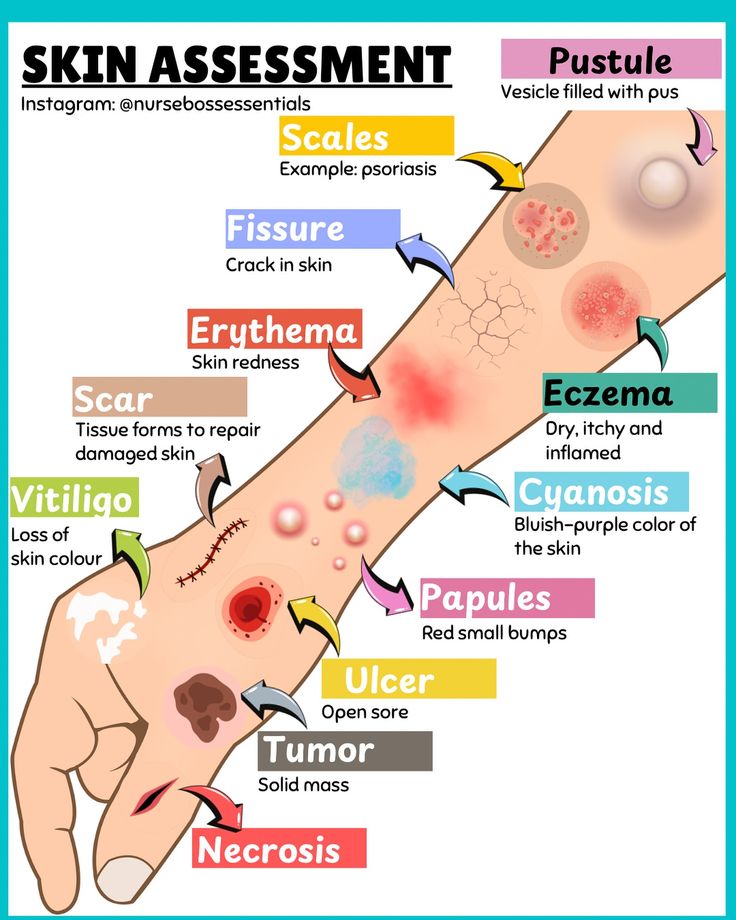
Bacterial infections (especially staphylococcal and streptococcal disease) may present as folliculitis, impetigo, abscess, or cellulitis. Immunosuppression increases risk of rapid progression, atypical presentation, deeper tissue involvement, and dissemination. Prompt diagnosis, culture when appropriate, and targeted therapy are essential. Patients should be counseled to report spreading erythema, fever, purulence, or pain out of proportion. [2]
Fungal infections commonly include candidiasis and dermatophyte disease, manifesting as intertrigo, tinea corporis, and onychomycosis. Topical agents may be sufficient for limited disease, while systemic therapy is reserved for extensive or refractory cases. When systemic azoles are considered, interaction screening is critical because some agents can affect levels of calcineurin inhibitors. [2]
Skin Malignancies
Non-melanoma skin cancer risk is markedly elevated in solid organ transplant recipients due to impaired immune surveillance and cumulative ultraviolet exposure. Squamous cell carcinoma (SCC) is typically the most frequent and can behave more aggressively than in immunocompetent patients. Basal cell carcinoma (BCC) is also increased. Rigorous photoprotection, earlier biopsy of suspicious lesions, and structured dermatology follow-up are key preventive strategies. [3]
Immune-Mediated Conditions and Drug Effects
Immune-mediated dermatologic complications can be clinically significant. While graft-versus-host disease is rare after liver transplantation, medication-related and immune dysregulation phenotypes are more common. Transplant medications may contribute to acneiform eruptions, gingival hyperplasia, hirsutism, delayed wound healing, and psoriasis-like eruptions. Management centers on phenotype recognition, supportive topical therapy, and—when safe— coordinated adjustment of contributing agents. [4]
Pigmentary Changes
Pigmentary alteration (hyperpigmentation or hypopigmentation) is frequently reported in transplant recipients. Etiologies include drug-related melanogenesis changes, post-inflammatory hyperpigmentation following dermatitis or infection, and metabolic influences. Although typically benign, pigmentary change may meaningfully affect quality of life. Evaluation focuses on excluding treatable inflammatory dermatoses or neoplasia, followed by counseling, camouflage strategies, and targeted therapy when clinically indicated. [5]
Management and Prevention
Evidence-informed management emphasizes prevention, screening, and timely treatment. Many expert sources recommend routine full-body skin examinations at least annually, with increased frequency for patients with prior skin cancer, extensive sun exposure, or high-risk immunosuppression profiles. Patient education—self-examination, sun avoidance, protective clothing, and broad-spectrum sunscreen—reduces cumulative UV injury. Coordination among dermatology, transplant hepatology, and infectious disease optimizes safety and drug-interaction screening. [6] [1]
References
- Otley CC, Stasko T. Dermatologic complications of solid organ transplantation. Journal of the American Academy of Dermatology.
- Lally A, Casabonne D. Cutaneous infections in solid organ transplant recipients. Future Microbiology.
- Stasko T, Brown MD. Skin cancer in organ transplant recipients. (Clinical review).
- Luan FL, Samaniego M. Immune-mediated skin complications in transplant patients. Transplant Immunology.
- Bencini PL, Montagnino G, Crosti C. Pigmentary changes in organ transplant recipients. Skin Pharmacology and Physiology.
- Huang JT, Abrams M, Tlougan B. Treatment of skin disease in organ transplant patients. Journal of Drugs in Dermatology.
- LiverTransplantGuide.com. Dermatology image (hero media).