Delusions and Liver Transplantation
Understanding delusions, confusion, and misbeliefs in patients with advanced liver disease and after liver transplant.
Overview
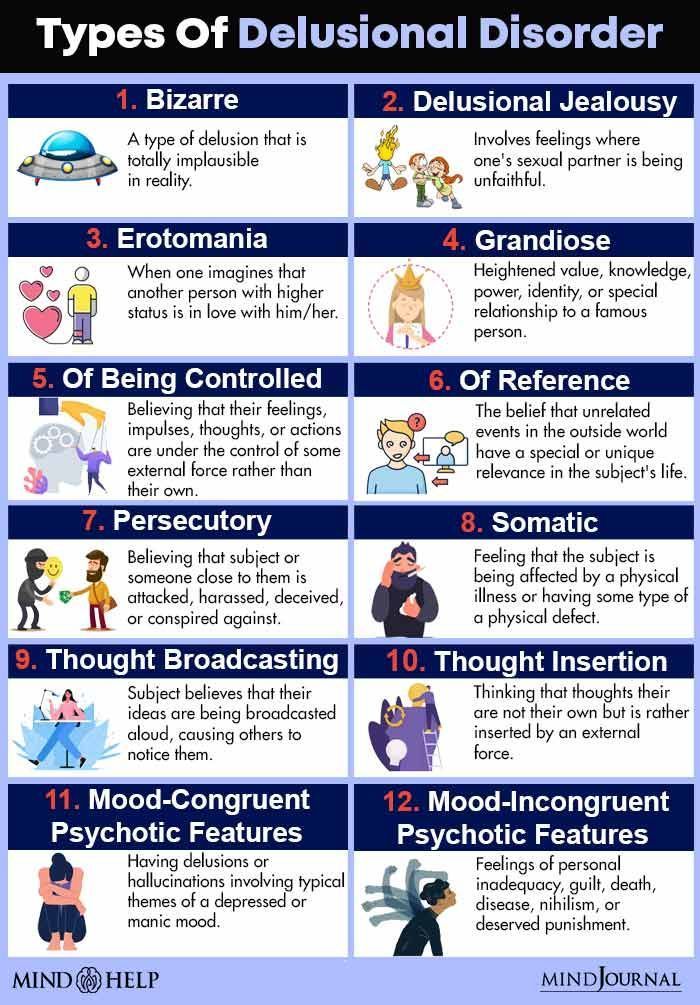
A delusion is a fixed, false belief that does not match reality, and that the person continues to hold even when given clear evidence that it is not true. Examples include believing that staff are trying to poison you, that loved ones are impostors, or that the hospital is a prison—even when others reassure you that you are safe.[1]
Delusions can occur in people with chronic liver disease and after liver transplant for many reasons: metabolic changes (such as hepatic encephalopathy), infections, side effects of medications (such as steroids or calcineurin inhibitors), substance withdrawal, or underlying psychiatric conditions like schizophrenia, bipolar disorder, or severe depression with psychotic features.[1],[2]
Delusions are different from ordinary worry, sadness, or understandable fear. They may cause the patient to mistrust caregivers or staff, refuse needed treatment, or behave in ways that are unsafe. Recognizing and treating delusions early is critical to protect the patient’s health, safety, and transplant outcomes.
Delusions are medical and psychiatric symptoms, not character flaws, weakness, or “bad behavior.” They deserve the same attention and compassion as physical symptoms.
Why Delusions Happen in Liver Disease and Transplant
Many medical and psychiatric factors can contribute to delusions in this population. Often, more than one factor is present at the same time.[1]–[3]
Hepatic Encephalopathy and Metabolic Causes
- Accumulation of toxins (like ammonia) in advanced cirrhosis can cause confusion, disorientation, and sometimes delusional thinking.
- Electrolyte disturbances (low sodium, low potassium), kidney dysfunction, or low oxygen can worsen brain function and perception of reality.
Medications and Transplant-Related Factors
- High-dose steroids (such as prednisone) can trigger mood swings, insomnia, and occasionally psychosis or delusions.
- Calcineurin inhibitors (tacrolimus, cyclosporine) and other immunosuppressants can cause neurotoxicity, leading to tremors, confusion, and, in rare cases, psychotic symptoms.
- Interactions between medications, or rapid changes in dose, may contribute to mental status changes.
Primary Psychiatric Conditions
- Some patients have pre-existing psychiatric diagnoses (schizophrenia, bipolar disorder, severe depression) that include episodes of delusions or hallucinations.
- The stress of serious illness and transplant, combined with sleep disruption and pain, may trigger relapse in someone who was previously stable.
Substance Use and Withdrawal
- Alcohol withdrawal and withdrawal from certain sedatives can cause severe confusion, agitation, and hallucinations (for example, delirium tremens).
- Intoxication with substances (including non-prescribed medications) can also lead to delusional thinking.
Because the causes are so varied, new or worsening delusions in a liver or transplant patient should always trigger a medical and psychiatric evaluation, not just a change in behavior expectations.
Recognizing Delusions and When to Worry
It is not always easy to distinguish normal fear and mistrust from true delusions, especially in a hospital. However, certain patterns should prompt urgent attention from the medical and mental health team.[2],[3]
Possible Signs of Delusional Thinking
- Firm beliefs that clearly do not match reality (“The nurses are poisoning me,” “This is not a real hospital”).
- Beliefs that persist despite calm, repeated explanations and reassurance.
- Extreme mistrust of staff or family members with no clear basis.
- Refusal of obviously needed care (medications, oxygen, dialysis) based on a false belief.
- Strong, unshakeable belief that others are reading thoughts, plotting harm, or controlling one’s actions.
Safety Concerns
Delusions can lead to unsafe behaviors, such as trying to leave the hospital while medically unstable, pulling out IV lines, or refusing life-sustaining treatment. On the other side, some delusions may cause fear, hopelessness, or thoughts of self-harm or suicide.
If a patient expresses thoughts of harming themselves or others, or appears at immediate risk, this is an emergency. Hospital staff should be alerted right away. At home, families should contact emergency services if someone is acting in a way that is unsafe and cannot be calmed.
How Delusions Are Evaluated and Treated
Treatment of delusions in liver and transplant patients focuses on identifying causes, ensuring safety, and reducing symptoms through a combination of medical, psychiatric, and environmental interventions.[2]–[4]
Medical Evaluation
- Review of vital signs, oxygen levels, and neurological status.
- Blood tests for electrolytes, ammonia, kidney function, drug levels (for tacrolimus/cyclosporine), and infection markers.
- Review of recent medication changes, including steroids, sedatives, and pain medications.
- Assessment for infections (urinary tract, pneumonia, SBP) or new organ dysfunction.
Psychiatric Assessment
- Evaluation by psychiatry or a mental health professional to clarify diagnoses and recommend treatment.
- Assessment of mood, anxiety, thought content, hallucinations, and risk of self-harm or harm to others.
- Review of past psychiatric history and prior medication responses.
Medication and Non-Medication Approaches
- Adjusting or temporarily reducing potentially offending medications (for example, changing immunosuppression if safe, or tapering steroids when medically appropriate).
- Treating hepatic encephalopathy, infections, electrolyte abnormalities, and other reversible factors.
- Using antipsychotic medications when indicated, with careful attention to liver function, heart rhythm, and drug interactions.
- Providing a calm, well-lit environment; regular orientation; presence of familiar people; and minimizing nighttime disruptions when possible.
The transplant and psychiatry teams work together to balance mental health, safety, and the protection of the liver graft. Treatment plans are individualized and may change over time.
Communication, Stigma, and Long-Term Support
Delusions and other psychiatric symptoms are sometimes surrounded by shame or stigma. Patients may fear being labeled “crazy” or worry that disclosing symptoms will affect their candidacy for transplant. Caregivers and staff may feel frustrated or helpless when beliefs seem irrational.[3],[4]
Talking About Delusions Respectfully
- Use calm, non-judgmental language (“I know this feels very real to you; let’s talk with the team about what you’re experiencing.”).
- Avoid arguing directly about the content of a delusion; focus instead on safety and collaborative problem-solving.
- Validate emotions (“It sounds frightening to feel that way”) even if you do not agree with the belief.
Impact on Transplant Care
- Stable mental health and the ability to participate in treatment are important parts of transplant eligibility.
- Having a psychiatric diagnosis or history of delusions does not automatically disqualify a patient; what matters is that the condition is recognized, treated, and monitored.
- Ongoing mental health follow-up (with psychiatry, psychology, or counseling) is often recommended both before and after transplant.
Support for Caregivers
- Caregivers may feel frightened or personally attacked by delusional statements. It can help to remember that these beliefs come from illness, not from the person’s true feelings.
- Seeking support from social work, caregiver groups, and mental health professionals can reduce burnout and isolation.
- Clear communication with the transplant team about changes in behavior or thinking is essential; caregivers are often the first to notice early warning signs.
Addressing delusions with compassion, clarity, and medical attention supports not only safety, but also dignity and trust for patients and families navigating liver disease and transplantation.
This page is for educational purposes only. It is not a substitute for emergency services, medical care, or mental health treatment. New or worsening delusions, hallucinations, severe confusion, or thoughts of self-harm or harming others require immediate evaluation by qualified professionals. Always follow the guidance of your hepatologist, transplant team, psychiatrist, and other health professionals for diagnosis and treatment. In an emergency, contact local emergency services right away.
References
- Propranolol-induced hallucinations mimicking encephalopathy in a patient with liver cirrhosis (discusses psychotic symptoms including delusions in hepatic encephalopathy). PubMed PMID: 33961526.
- Tacrolimus-Associated Psychotic Disorder: A Report of 2 Cases (tacrolimus-induced psychosis in liver transplant recipients). PubMed PMID: 32197865.
- Altered mental status after liver transplant (covers steroid- and calcineurin inhibitor-related psychosis, evaluation, and management). PMC6467109.
- Liver Transplant—Psychiatric and Psychosocial Aspects (transplant psychiatry, stigma, caregiver support, and mental health in liver transplant patients). PMC3940381.