Complications After Liver Transplant and Their Treatments
A clinician-credible, patient-readable map of what can go wrong after transplant, how teams diagnose it, and what treatments are commonly used—organized by biliary, vascular, rejection, infections, kidneys, and malignancy risk.
Overview
Post–liver transplant complications tend to cluster into recognizable categories: biliary problems (leaks/strictures), vascular events (hepatic artery or portal vein issues), rejection and immunology, infections, renal dysfunction, and longer-term malignancy risk. Most are manageable—especially when detected early—because modern transplant care pairs frequent lab monitoring with targeted imaging and early endoscopic/interventional options. [1] [2]
The practical goal for patients and caregivers is not to memorize every complication. It is to recognize “pattern shifts” (new fever, jaundice, abdominal pain, rising liver enzymes, confusion, decreased urine output) and to contact the transplant team promptly—because the same symptom can represent very different diagnoses, and early intervention can be graft-saving. [2] [3]
Early vs Late: Why Timing Helps Narrow the Cause
Timing is a high-yield clue. In the first days to weeks, teams worry most about surgical and vascular problems (bleeding, thrombosis, technical biliary leaks), early infections, and early acute rejection. Months to years later, the spectrum shifts toward biliary strictures, chronic rejection (uncommon but serious), opportunistic or community infections (depending on immunosuppression), chronic kidney disease, metabolic complications, and malignancy/skin cancer risk. [3] [4]
Clinicians use timing plus the lab “shape” (cholestatic vs hepatocellular pattern), symptoms, drug levels, and imaging to decide whether the next step is ultrasound with Doppler, CT/MR, ERCP, liver biopsy, or infection work-up. This is why your team may ask very specific questions (color of urine, fever pattern, right upper quadrant pain, medication misses, new diarrhea, exposure history) that feel unrelated—but are actually diagnostic shortcuts. [3]
Biliary Complications and Treatments
Typical problems
The most common biliary complications after liver transplant include bile leaks and biliary strictures (especially anastomotic strictures), with additional possibilities such as stones/sludge/casts or sphincter dysfunction. Patients may present with rising bilirubin/alkaline phosphatase, itching, fever, abdominal pain, or cholangitis—or sometimes only abnormal labs. [5] [6]
How they are diagnosed
Evaluation often starts with labs and ultrasound (sometimes with Doppler to assess flow), then advances to MRCP or ERCP when a stricture or leak is suspected. ERCP can be both diagnostic and therapeutic, which is a key reason it is commonly used as a first-line approach in many transplant recipients with suspected biliary strictures. [6] [5]
Common treatments
For anastomotic strictures, endoscopic therapy (ERCP) commonly involves balloon dilation and stent placement, often repeated over sessions depending on response. If ERCP is not feasible or fails, percutaneous drainage or surgery may be considered depending on anatomy and severity. For bile leaks, endoscopic stenting/diversion and drainage strategies are frequently used, with escalation based on the site and clinical impact. [6] [7]
Practical red flags to treat as urgent include fever with jaundice (possible cholangitis), chills/rigors, severe abdominal pain, and rapidly rising bilirubin— because biliary obstruction plus infection can become dangerous quickly in an immunosuppressed patient. [7]
Vascular Complications and Treatments
Why vessels matter so much
Vascular complications can threaten the graft rapidly because the transplanted liver is exquisitely dependent on adequate inflow/outflow. Hepatic artery thrombosis/stenosis and portal vein stenosis/thrombosis are core concerns—particularly early after surgery—often evaluated with Doppler ultrasound and escalated imaging when needed. [8] [9]
Treatments you may hear about
Management can include urgent interventional radiology procedures (angioplasty, stenting, thrombectomy/thrombolysis in select cases) and/or surgical revision. In severe hepatic artery thrombosis with graft compromise, retransplantation has historically been a major pathway, but endovascular approaches may be attempted in selected scenarios, depending on timing, anatomy, center expertise, and clinical status. [9] [8]
Patient-facing warning signs that merit immediate contact include sudden severe abdominal pain, unexplained fever with abrupt lab deterioration, or sudden worsening jaundice—especially early post-op. Many vascular problems are detected on routine surveillance imaging before symptoms occur, which is one reason transplant teams check Doppler studies frequently in the early period. [8]
Rejection and Immunology: What It Means and How It’s Treated
Acute cellular rejection is often treatable
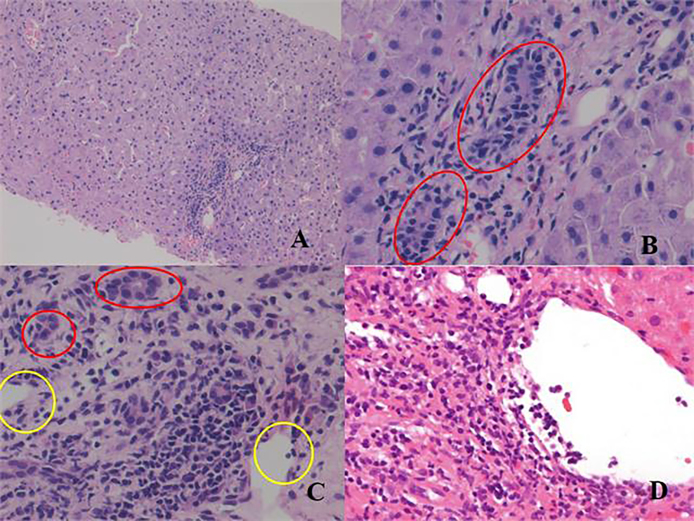
Acute cellular rejection (ACR) is an immune response against the graft that frequently occurs early and is commonly responsive to corticosteroids and/or adjustment of baseline immunosuppression. Clinicians typically confirm the diagnosis with a liver biopsy when the picture is unclear, because infection, biliary obstruction, vascular problems, and drug toxicity can mimic rejection on labs. [4] [1]
If ACR is “steroid-resistant,” centers may escalate therapy using transplant-specialist protocols (for example, changes in calcineurin inhibitor strategy or antibody-based therapies), but this is individualized and must balance infection risk. [4]
Chronic rejection is rarer, higher stakes
Chronic rejection is less common in modern immunosuppression eras, but when it occurs it can lead to progressive graft dysfunction and may require major immunosuppression adjustment and, in refractory cases, retransplantation. This is one reason transplant teams emphasize long-term adherence and regular lab surveillance even when patients feel well. [4] [1]
Infections: Early, Opportunistic, and Long-Term
Why infection risk is higher
Immunosuppression reduces rejection risk but increases susceptibility to infection. Risk is shaped by time post-transplant, immunosuppression intensity, donor/recipient serostatus (notably CMV), environmental exposures, and devices/lines early after surgery. [10] [11]
CMV as the “signature” transplant virus
CMV can cause systemic illness and organ-specific disease and can also contribute to downstream complications through immunomodulatory effects. Prevention commonly uses prophylaxis or preemptive strategies guided by transplant protocols, and treatment typically relies on valganciclovir or intravenous ganciclovir, with resistance strategies in selected cases. [10] [11]
Practical patient guidance
Fever (especially with chills), new cough/shortness of breath, burning urination, worsening wound redness/drainage, severe diarrhea, and rapidly worsening weakness should prompt immediate contact with the transplant team—because infections can evolve quickly under immunosuppression and can mimic rejection on labs. [3]
Renal Dysfunction: A Common “Hidden” Complication
Why kidneys struggle after liver transplant
Kidney injury after transplant can reflect pre-existing hepatorenal physiology, perioperative hemodynamic stress, infections, and medication effects—especially calcineurin inhibitors (CNIs) such as tacrolimus. Chronic kidney disease after liver transplant is a major long-term concern, which is why many centers aim to balance rejection prevention with renal-sparing strategies when possible. [12] [13]
What treatments may look like
Management depends on cause: optimizing volume status, treating infection, avoiding nephrotoxins, and adjusting immunosuppression strategy. Renal-sparing approaches can include careful tacrolimus minimization and/or adding or switching to adjunct immunosuppressants (for example, mycophenolate or mTOR inhibitors) under transplant supervision, because reduced CNI exposure can improve renal outcomes in selected patients—but must be balanced against rejection risk. [12] [13]
Patient-facing red flags include markedly decreased urine output, rapid weight gain/edema, severe weakness, confusion, or dehydration from vomiting/diarrhea—especially if accompanied by fever. These scenarios require same-day transplant-team guidance. [2]
Malignancy Risk: PTLD and Skin Cancer
PTLD (post-transplant lymphoproliferative disorder)
PTLD is a serious complication often linked to Epstein–Barr virus (EBV) biology and the intensity of immunosuppression. A common first management step is reduction of immunosuppression when feasible, frequently combined with targeted therapies such as rituximab depending on PTLD subtype and severity. Because PTLD can mimic infection or even rejection symptoms, specialist evaluation is essential. [14] [15]
Skin cancer risk and prevention
Skin cancer risk is substantially higher after solid organ transplant, making sun protection and regular dermatologic surveillance high-yield, actionable prevention. Many transplant programs recommend structured skin screening and aggressive UV protection (clothing, shade, sunscreen) because it is a modifiable risk factor. [16] [17]
Quick Table: Complication → Typical Workup → Common Treatments
| Category | Typical clues | Common workup | Common treatments (center-specific) |
|---|---|---|---|
| Biliary | Cholestatic labs, jaundice, fever, RUQ pain, cholangitis | US ± Doppler, MRCP/ERCP | ERCP with balloon dilation + stents; drainage; escalation to percutaneous/surgical approaches if needed [6] |
| Vascular | Abrupt lab shift, pain, graft dysfunction; sometimes silent on surveillance | Doppler US; CT/MR angiography as needed | Angioplasty/stent/thrombectomy in select cases; surgical revision; retransplantation in severe graft compromise [8] [9] |
| Rejection | Enzyme rise; may resemble infection/biliary/vascular issues | Exclude vascular/biliary/infection; biopsy when indicated | Steroid pulse and immunosuppression adjustment; specialized rescue protocols if refractory [1] [4] |
| Infections | Fever, cough, diarrhea, wound issues; CMV syndromes | Cultures, imaging, CMV PCR and targeted tests | Protocol-based prophylaxis/preemptive strategies; valganciclovir/ganciclovir for CMV disease; tailored antibiotics/antifungals [10] [11] |
| Renal | Rising creatinine, low urine output, edema, dehydration | Labs, urine studies, drug levels, assess volume/infection | Optimize hemodynamics; treat infection; avoid nephrotoxins; renal-sparing immunosuppression strategies when appropriate [12] [13] |
| PTLD / Skin | Fevers/lymph nodes/GI symptoms (PTLD); new skin lesions | EBV monitoring (center-dependent), imaging/biopsy; dermatology exams | Reduce immunosuppression + targeted therapy (often rituximab) for PTLD; sun protection + screening for skin cancer [14] [16] |
This table is intentionally “center-agnostic.” Your program’s pathways may differ based on donor type, anatomy, immunosuppression protocol, and local expertise—so use this as a framework for questions, not a self-treatment guide. [1]
What To Do Now
- Keep a “symptom + temperature + meds” log for the first year, and bring it to clinic—because timing and pattern changes are diagnostic. [3]
- Treat fever, worsening jaundice, new confusion, vomiting blood/black stools, severe abdominal pain, or shortness of breath as urgent and contact your transplant team immediately. [2]
- Ask your team which complications they monitor most aggressively at your stage (first month vs first year vs long-term), and what your center’s after-hours call instructions are. [1]
- Build prevention into routine: medication adherence, lab schedules, vaccinations as recommended by your transplant team, food safety, and sun protection. [17]
Questions to Ask Your Transplant Team
- When my liver tests change, what is your center’s standard “first-pass” workup (Doppler, MRCP/ERCP, biopsy, infection labs), and what triggers each step? [3]
- If I develop a biliary stricture, do you prefer ERCP with multiple plastic stents or a covered metal stent strategy, and why? [6]
- What is my CMV risk category (donor/recipient status), and what prevention strategy do you use (prophylaxis vs preemptive), and for how long? [10]
- If my creatinine rises, what is your renal-sparing immunosuppression approach, and what tacrolimus range are you targeting at my stage? [12]
- What is my plan for cancer/skin surveillance (dermatology frequency, warning signs, PTLD monitoring if applicable)? [16]
References
- AASLD Practice Guideline (Lucey MR, et al.). Long-Term Management of the Successful Adult Liver Transplant (immunosuppression, rejection treatment principles, long-term complications).
- NIDDK (NIH). Liver Transplant Surgery (patient overview, risks, and recovery considerations).
- AASLD Liver Fellow Network. Narrowing the differential — abnormal labs in a transplant patient (high-yield framework).
- Choudhary NS, et al. (PMC). Acute and Chronic Rejection After Liver Transplantation: What a Clinician Needs to Know (biopsy concepts and treatment overview).
- AASLD Liver Fellow Network. (Same as above) Included again here as a biliary/vascular/rejection differential reference used throughout the page.
- ASGE Guideline (2023). Guideline methodology and evidence review for management of post–liver transplant biliary strictures (ERCP vs PTBD; stent strategies).
- Kochhar G, et al. (PMC). Biliary complications following liver transplantation (overview, presentation, and management options).
- Naidu SG, et al. (RSNA Radiographics). Interventional radiology management of adult liver transplant complications (vascular and biliary interventions).
- Lynch JM, et al. (PubMed). Hepatic artery thrombectomy after orthotopic liver transplant (endovascular strategy in HAT context).
- Kotton CN, et al. (2025). Transplantation. Fourth International Consensus Guidelines on the Management of CMV in Solid Organ Transplantation.
- Razonable RR, et al. (PubMed). Cytomegalovirus in solid organ transplant recipients (prevention and treatment; valganciclovir/ganciclovir concepts).
- Lee JG. (2024). How to prevent chronic kidney disease after liver transplantation (renal risk and tacrolimus minimization discussion).
- Klintmalm GB, et al. (PMC). The Role of mTOR Inhibitors in Liver Transplantation (renal-sparing and immunosuppression strategy review).
- American Society of Transplantation (AST) Educational PDF (2024). Post-Transplant Lymphoproliferative Disorder considerations (management including immunosuppression reduction and rituximab use).
- AASLD Liver Fellow Network. PTLD: A balancing act of immunosuppression (clinical pearls and presentation patterns).
- UCSF Health. Organ transplant and skin cancer risk (patient education and screening emphasis).
- International Transplant Skin Cancer Collaborative (ITSCC). Skin cancer prevention strategies for transplant recipients (UV protection and surveillance).