Communication and Liver Transplantation
Effective communication between patient, caregiver, and transplant team is essential for safe care and better outcomes.
Why Communication Matters in Liver Transplantation
Clear, timely communication is foundational to successful liver transplantation, ensuring patients and caregivers grasp disease complexities, treatment risks, and post-transplant expectations. In advanced liver disease, where cirrhosis complications like encephalopathy can impair cognition, and post-transplant immunosuppression demands vigilant adherence, misunderstandings risk medication errors, missed appointments, or delayed complication detection. Recent guidelines emphasize multidisciplinary team involvement—including hepatologists, surgeons, coordinators, and social workers—to foster trust and alignment. Strong patient-provider relationships enhance adherence, reduce anxiety, and improve quality of life, while caregiver inclusion prevents isolation and burnout. Ultimately, empowered dialogue supports informed decisions, from listing to lifelong follow-up, optimizing outcomes in this high-stakes journey.[1][2]
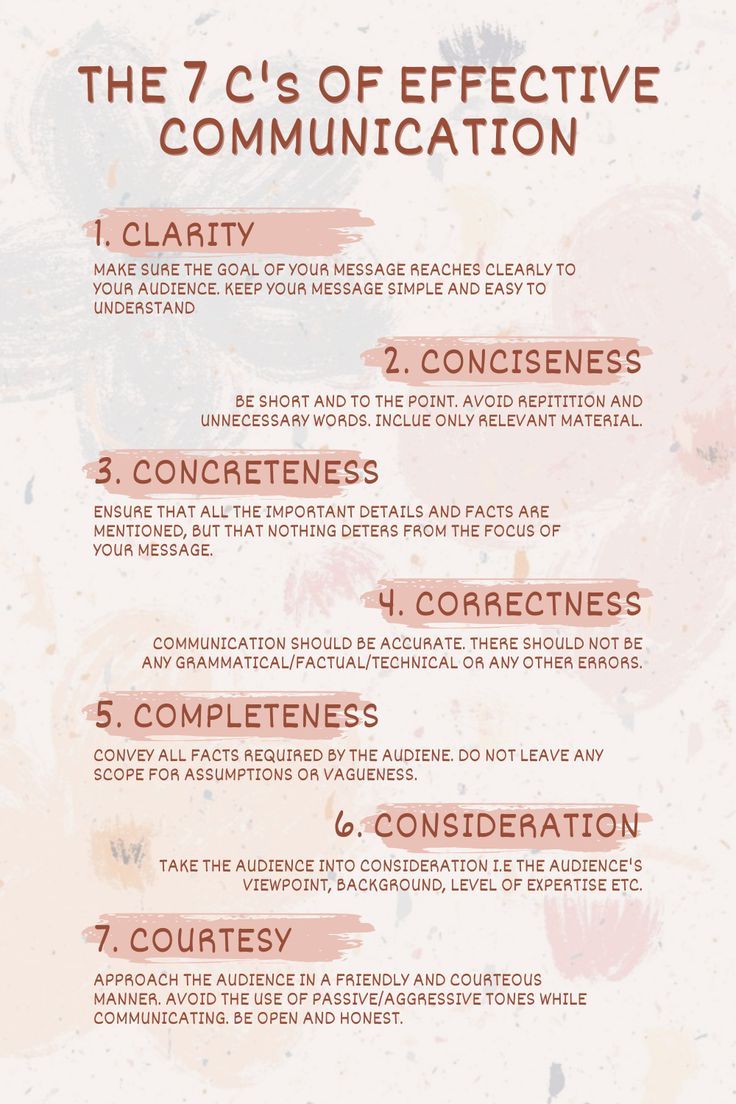
Critical Topics to Discuss—and When
Pre-Transplant: Explain cirrhosis progression, decompensation triggers (e.g., ascites, encephalopathy), and eligibility criteria like MELD scores. Cover surgery risks, waitlist realities, and lifestyle prerequisites such as alcohol abstinence or nutritional optimization. Discuss medications for fluid management and infection prevention.[1]
During Hospitalization: Detail NPO status, surgical consent (including rejection risks), and immediate post-op care like ICU monitoring, pain control, and mobility goals. Address immunosuppression initiation and early complication signs.
Post-Transplant: Outline detailed med schedules (e.g., tacrolimus levels), red flags (fever, jaundice), and follow-up cadence (frequent labs, biopsies). Include long-term planning: vaccinations, diet, and advance directives. Tailor discussions to health literacy for better retention.[3]
Common Barriers and Solutions
Medical jargon, emotional overwhelm, and logistical hurdles often impede effective dialogue in transplant care. Complexity from polypharmacy and multidisciplinary input can confuse patients, while low health literacy—prevalent in chronic illness—affects 30–50% of recipients, leading to non-adherence. Language/cultural barriers exacerbate misunderstandings, and fatigue from waitlist stress impairs recall. Recent studies highlight how these factors contribute to errors, yet targeted strategies mitigate them: simplify explanations, use visual aids, and incorporate teach-back methods where patients repeat instructions. For caregivers, isolation amplifies strain, but integrated support like virtual check-ins bridges gaps. Addressing these proactively builds resilience and trust, essential for navigating transplantation's uncertainties.[4][5]
Practical Tools and Strategies
Empower yourself with structured approaches: Maintain a dedicated health journal for logging labs, symptoms, and questions—digital apps like MyChart enhance accessibility. Always attend appointments with a caregiver for dual perspectives and better retention. Leverage technology: Set phone alarms for meds, use patient portals for secure messaging, and access eHealth tools for self-management education. Request after-visit summaries in simple language, and clarify escalation protocols (e.g., coordinator for routine queries, ER for fevers >101°F). Employ teach-back routinely, especially for discharge plans or med changes. Schedule multidisciplinary reviews with pharmacy, nutrition, and social work to address holistic needs. These evidence-based tactics, drawn from recent eHealth reviews, boost adherence and reduce anxiety, transforming complex care into manageable steps.[6][3]
Caregiver and Family Dynamics in Communication
Caregivers serve as vital advocates, bridging gaps when patients face cognitive fog from encephalopathy or post-op fatigue. They organize records (med lists, directives) in shared folders, attend key meetings for unified understanding, and reinforce instructions like sodium limits or symptom monitoring. Encourage patient voice—fostering shared decisions reduces resentment and enhances buy-in. Caregivers must prioritize self-care to avoid burnout, which indirectly affects patient adherence. Recent research underscores family involvement's role in outcomes, with structured support like peer groups alleviating isolation. By modeling open dialogue, families strengthen the patient-team bond, ensuring sustained success from listing through lifelong surveillance.[7][8]
Medical Disclaimer
This page offers educational guidance on communication only. It does not substitute for personalized advice from your hepatologist, transplant surgeon, coordinator, pharmacist, or team. Always adhere to your center's protocols for meds, visits, labs, and care.
References
- EASL Clinical Practice Guidelines on Liver Transplantation (2024)
- British Society of Gastroenterology – Adult Liver Transplantation: A UK Clinical Guideline (2025)
- AASLD – Evaluation of the Adult Liver Transplant Patient (Updated 2024)
- StatPearls – Liver Transplantation: Interprofessional Communication Strategies (Updated 2025)
- Brown C, et al. Barriers and Strategies to Effective Serious Illness Communication in End-Stage Liver Disease (J Intensive Care Med 2024)
- Self-Management Using eHealth Technologies for Liver Transplant Recipients: Scoping Review (J Med Internet Res 2024)
- Pahari H, et al. Rethinking Chronic Illness Support: Caregivers in Transplantation (World J Transplant 2025)
- Verma M, et al. Unmet Needs and Burden of Caregivers in Liver Transplant Evaluation (Am J Hosp Palliat Care 2024)