
Blood Pressure Management in Liver Transplant Patients
Hypertension is common in liver transplant candidates and frequently develops or worsens after transplant—often related to immunosuppressive medications and renal effects. Thoughtful BP control helps reduce cardiovascular events, protects kidney function, and supports long-term graft health [5][6].
Preoperative Blood Pressure Management
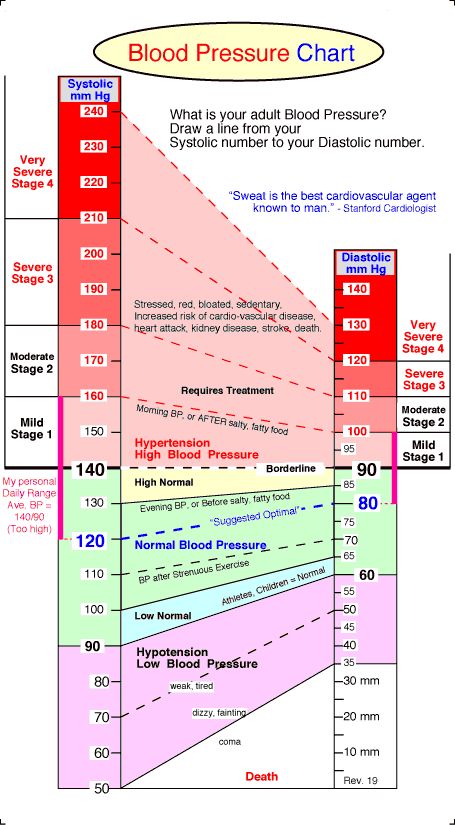
Preoperative BP optimization lowers perioperative cardiovascular risk and improves overall surgical readiness. Common targets are <140/90 mmHg for many patients, and <130/80 mmHg for higher-risk groups (e.g., diabetes or chronic kidney disease), individualized by your team [2].
- Confirm true BP: home readings or ambulatory monitoring can help identify white-coat or masked hypertension [1].
- Medication selection: calcium channel blockers, beta-blockers, and ACE inhibitor/ARB therapy may be used when appropriate, but decompensated cirrhosis requires careful renal and volume assessment [1][2].
- Avoid nephrotoxic exposures: NSAIDs can worsen kidney function and fluid balance in cirrhosis [5].
Intraoperative Blood Pressure Management
During liver transplantation, BP can swing rapidly due to anesthesia effects, bleeding, vasodilation, and reperfusion physiology. Continuous arterial-line monitoring is standard. Many teams target a mean arterial pressure (MAP) that supports organ perfusion (often ≥65 mmHg), adjusted to the patient’s baseline and clinical context [3].
Vasoactive agents (e.g., norepinephrine and vasopressin) are frequently used to treat hypotension. Fluid resuscitation is commonly guided by dynamic hemodynamic measures and real-time clinical assessment [3][4].
Postoperative Blood Pressure Management
After transplant, hypertension is common—often emerging within weeks to months—and may be driven by calcineurin inhibitors, corticosteroids, renal vasoconstriction, and sodium retention. Many programs target <130/80 mmHg when tolerated to reduce cardiovascular and kidney risk, but goals are individualized [2][5].
- Early monitoring: frequent inpatient and early outpatient checks; consider home BP monitoring long-term [5].
- First-line choices: dihydropyridine calcium channel blockers (e.g., amlodipine) are commonly used for CNI-associated hypertension [5].
- Watch for hypotension: over-diuresis, infection/sepsis, bleeding, or medication stacking can lower BP dangerously.
Immunosuppressants and Hypertension
Calcineurin inhibitors (tacrolimus, cyclosporine) are strongly associated with hypertension and kidney injury through renal vasoconstriction and sodium retention. Steroids can contribute via fluid retention and metabolic effects. Some alternative regimens may reduce BP burden in select cases, but changes must be directed by the transplant team [6][5].
Long-Term BP Management and Outcomes
Persistent hypertension after transplant increases long-term cardiovascular risk and can accelerate kidney dysfunction. Effective management pairs appropriate medications with lifestyle strategies: sodium awareness, weight optimization, physical activity as cleared by your team, sleep quality, and avoidance of tobacco [5].
- Home BP monitoring: improves detection of masked hypertension and supports medication titration.
- Secondary causes: if BP is resistant, clinicians may evaluate for renovascular disease, medication effects, or endocrine causes.
- Team-based care: hepatology + cardiology + nephrology collaboration improves outcomes in complex patients [5].
Medical Disclaimer
This page is educational only. Blood pressure management must be individualized by your transplant team. Never adjust antihypertensive or immunosuppressive medications without medical supervision. Seek urgent care for chest pain, severe headache, neurologic symptoms, or very high BP (for example, >180/110 mmHg).
References
- Najeed SA et al. Management of hypertension in liver transplant patients. Int J Cardiol. 2011. PubMed
- Serper M et al. Blood pressure control and outcomes in liver transplant recipients. Am J Transplant. 2020. PubMed
- Grocott MP et al. Perioperative fluid management and clinical outcomes in adults. Anesth Analg. 2005. PubMed
- Herscu N et al. Intraoperative fluid therapy (overview concepts). Anesth Prog. 2015. PubMed
- New onset hypertension after transplantation. World J Transplant. 2022 (full text). PMC Full Text
- Naesens M et al. Calcineurin inhibitor nephrotoxicity. CJASN. 2009. Journal Link