
Columbia Transplant & Hepatobiliary Surgery
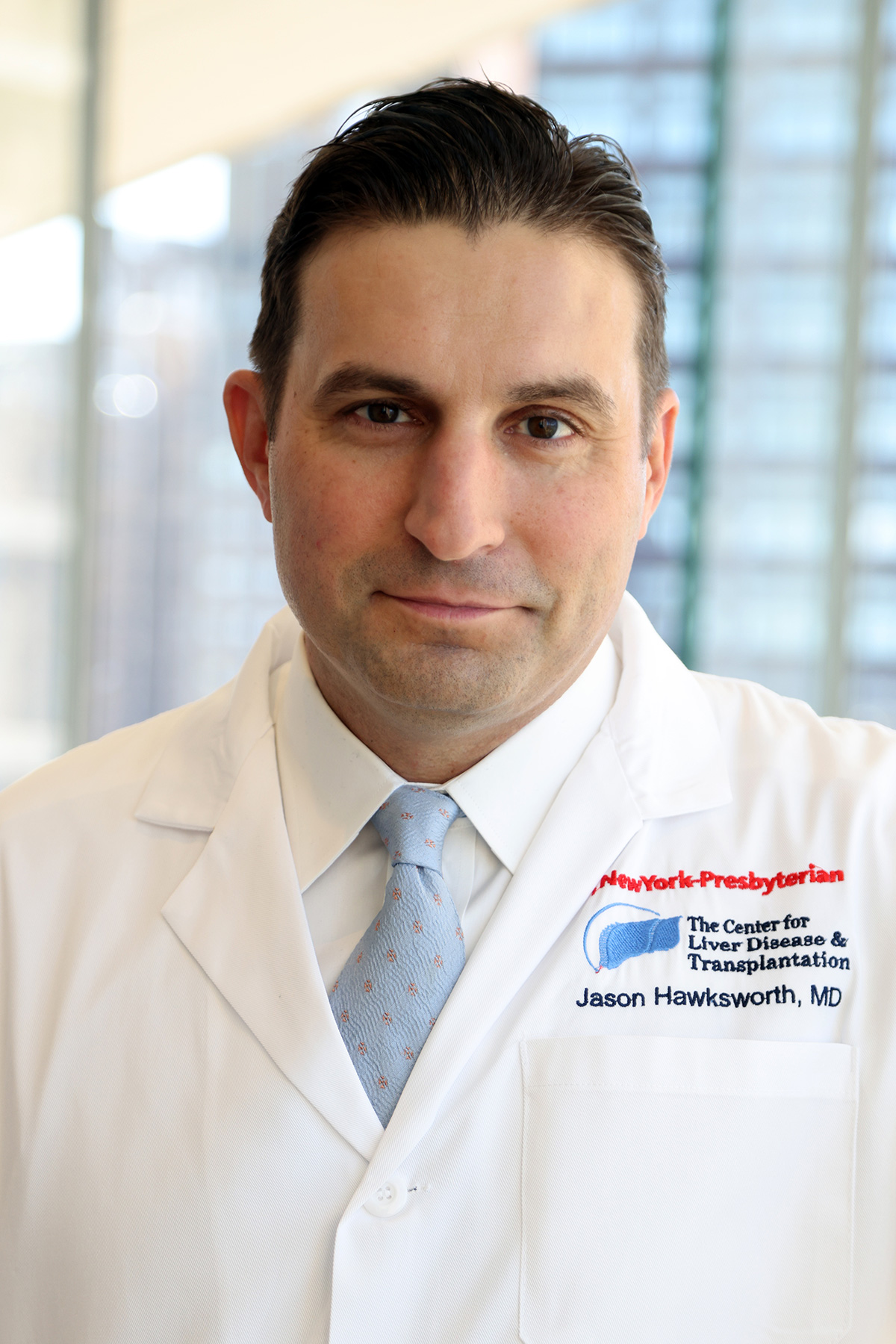
Hawksworth Overview
Modern liver transplantation sits at the intersection of transplant surgery, hepatobiliary oncology, donor safety, and technical innovation. Dr. Hawksworth’s Columbia profile places him at that intersection. His work is publicly associated not only with adult liver transplantation, but also with robotic liver surgery and complex minimally invasive abdominal operations.[1][4]
For patients and caregivers, that matters because major transplant centers are judged not only by reputation, but by the expertise and leadership of the surgeons directing complex programs. Columbia’s public team materials position Dr. Hawksworth as one of the key surgical leaders in that environment.[2]
In transplant medicine, surgical leadership is not just about performing operations. It is about building systems, guiding innovation, and integrating advanced technique into safe patient care.
Leadership & Roles
Columbia and NewYork-Presbyterian publicly identify Dr. Hawksworth in several major roles across the liver and abdominal transplant service.[1][2][3]
- Associate Professor of Surgery at Columbia University.[1]
- Chief of Hepatobiliary Surgery.[2]
- Director of the Robotic Liver Surgery Program.[2]
- Surgical Director, Adult Liver Transplant Program.[2][3]
These roles indicate responsibility not only for individual patient care, but also for program development, clinical strategy, and adoption of advanced operative pathways.
Robotic Surgery
Columbia highlights Dr. Hawksworth as one of the few surgeons in the United States performing highly complex liver surgery entirely with the robot. Public institutional materials connect him directly to the expansion of robotic liver surgery at Columbia.[4][5]
This includes advanced minimally invasive operations involving the liver and surrounding biliary structures, with an emphasis on precision and reduced invasiveness when clinically appropriate.
Innovation & Scope
Columbia’s physician profile states that Dr. Hawksworth performs robotic major hepatectomy, robotic pancreatectomy, robotic Whipple procedures, robotic kidney transplantation, robotic living donor nephrectomy, and robotic living donor hepatectomy.[1]
That breadth is important because it reflects a surgeon whose expertise extends beyond a narrow procedural lane. It suggests deep experience in both transplant and hepatobiliary surgery, with an innovation focus that remains anchored in major operative care.
Why It Matters
For LiverTransplantGuide readers, Dr. Hawksworth’s profile illustrates what patients often seek in a major transplant surgeon:
- Leadership responsibility within the adult liver transplant program.[2][3]
- Strong integration of hepatobiliary and transplant expertise.[1]
- Meaningful involvement in advanced robotic liver surgery.[4][5]
- Visible institutional role on Columbia’s liver transplant team.[2]
Pages like this help patients and families understand that transplant excellence is built by teams led by surgeons with both technical capability and program-level responsibility. Dr. Hawksworth’s public profile reflects that kind of leadership environment. [2]
References
- Columbia Surgery. Jason Solomon Hawksworth, MD. https://columbiasurgery.org/jason-hawksworth-md
- Columbia Surgery. Our Liver Transplant Team & Locations. https://columbiasurgery.org/liver/our-team
- NewYork-Presbyterian. Jason Hawksworth, MD. https://doctors.nyp.org/jason-hawksworth-md/columbiadoctors-midtown
- Columbia Surgery. Robotic Liver Surgery Program at Columbia. https://columbiasurgery.org/liver/robotic-liver-surgery-program-columbia
- Columbia Surgery. Robotic Surgery is Here for Complex Liver Surgery, and the Benefits Are Vast: An Interview with Dr. Jason Hawksworth. https://columbiasurgery.org/news/robotic-surgery-here-complex-liver-surgery-and-benefits-are-vast-interview-dr-jason-hawksworth
Disclaimer
This physician profile is provided for educational purposes only and is not medical advice. Professional roles, titles, affiliations, and clinical responsibilities may change over time. Patients should confirm current details directly with the treating institution and physician practice.