Hematologic Disorders in Liver Disease & Transplantation
Liver disease and liver transplantation profoundly alter blood counts, platelet biology,
and coagulation. These changes are dynamic—not static—and must be interpreted in context
before, during, and after transplant
[1].
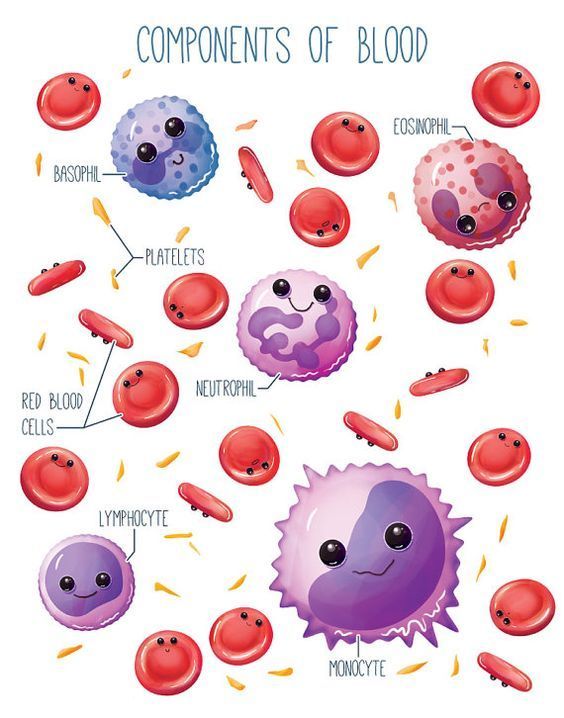
Blood cells and coagulation pathways are deeply influenced by liver function and transplant physiology.
Overview
The liver regulates iron metabolism, produces thrombopoietin, and synthesizes most clotting factors.
As cirrhosis progresses, anemia, thrombocytopenia, leukopenia, and coagulopathy often develop together.
Importantly, abnormal laboratory values do not automatically equal bleeding risk; modern models
describe a rebalanced hemostatic state
[1].
Clinical reality: Patients frequently hear, “Your INR is high,” or “Your platelets are low,”
without context. Transplant teams interpret trends, symptoms, timing, and procedure risk—not numbers alone.
Anemia
Anemia in liver disease is multifactorial. Iron deficiency, hypersplenism, marrow suppression,
nutritional deficiencies, renal dysfunction, hemolysis, and surgical blood loss may all contribute.
Patient Story — Alice:
A 56-year-old woman with alcohol-related cirrhosis presented with fatigue and dizziness.
Evaluation revealed iron deficiency anemia. Iron repletion and supportive care improved her stamina
while awaiting transplant.
Patient Story — Emily:
Immediately after transplant, her hemoglobin dropped sharply from operative blood loss and hemodilution.
Targeted transfusion and erythropoiesis-stimulating therapy stabilized her recovery.
Thrombocytopenia
Low platelet counts commonly result from splenic sequestration, reduced thrombopoietin production,
medication effects, and perioperative consumption
[2].
Patient Story — Bob:
A 46-year-old man with hepatitis C cirrhosis experienced frequent nosebleeds.
Thrombopoietin receptor agonist therapy stabilized platelet counts and reduced bleeding episodes.
Platelet transfusion during liver transplantation has been associated with increased postoperative
mortality due to acute lung injury in observational studies
[3].
Coagulopathy
Despite prolonged PT/INR, many patients with cirrhosis maintain a fragile balance between pro-
and anti-coagulant forces. Correction of laboratory values alone may not improve outcomes
[1].
Patient Story — Catherine:
A woman with NAFLD cirrhosis developed prolonged bleeding after dental work.
Vitamin K and selective plasma support corrected the deficit without over-transfusion.
Reference Table: Common Lab Patterns
| Pattern |
Likely Cause |
Typical Action |
| Low Hb + low MCV |
Iron deficiency, chronic blood loss |
Iron studies, repletion |
| Low platelets + splenomegaly |
Hypersplenism |
Procedure planning, TPO-RA |
| High INR without bleeding |
Rebalanced hemostasis |
Clinical assessment, avoid reflex correction |
Transplant-Specific Anemia Decision Tree
Step 1
Determine stability and timing (pre-op, immediate post-op, late post-op).
Step 2
Evaluate for bleeding, hemolysis, nutritional deficiency, or medication effect.
Step 3
Treat underlying cause first; transfuse only when clinically indicated
[4].