Liver Transplant Process
This page walks you through the real-world sequence from referral and evaluation to listing, the waitlist, surgery, and long-term life after transplant—using the same core framework used by transplant centers and national systems in the U.S. [1] [2] [3]
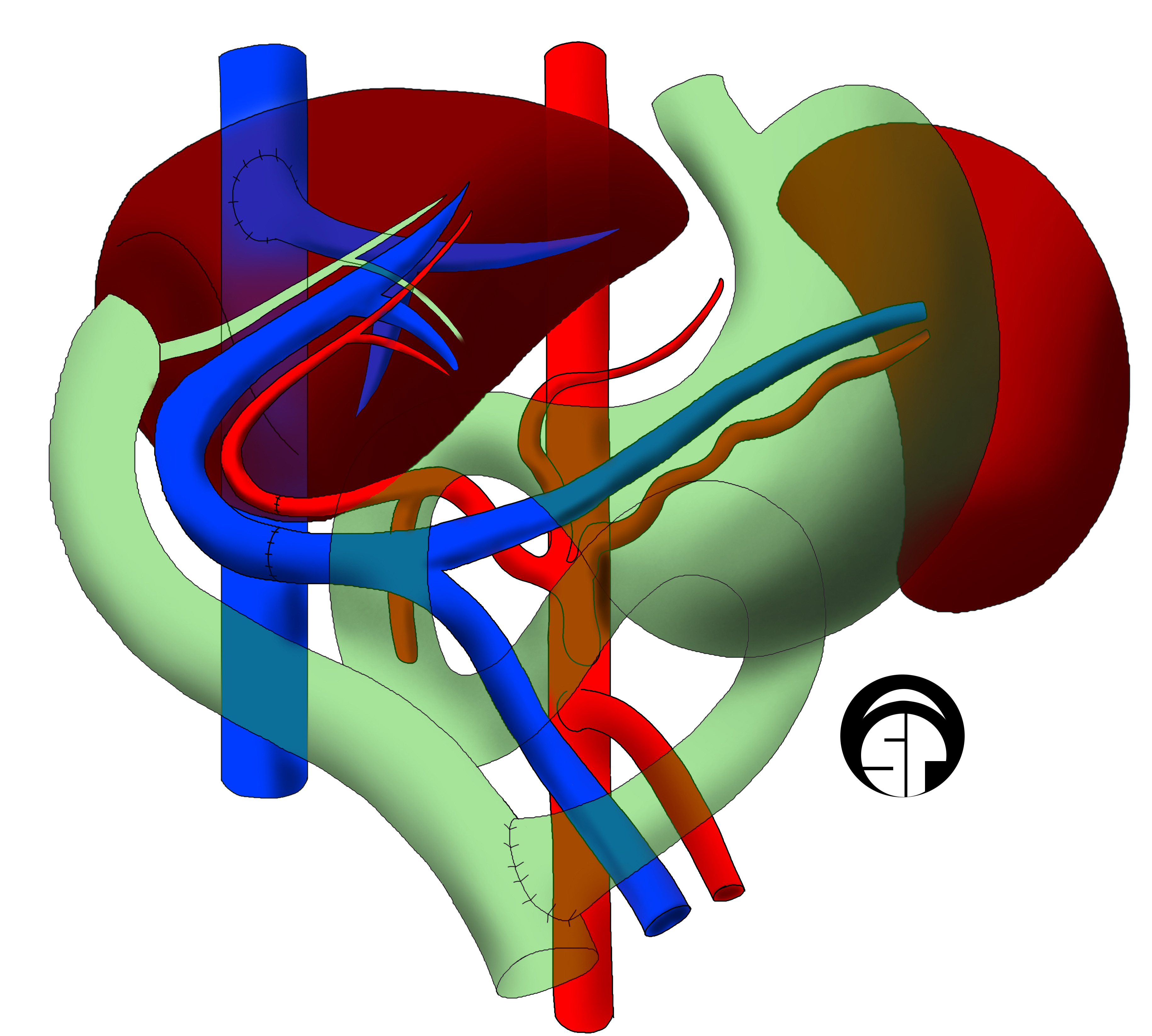
Big Picture: the “Pipeline”
Most liver transplant journeys follow a predictable sequence:
- Referral (your hepatologist/doctor sends you to a transplant center)
- Evaluation (medical + surgical + psychosocial + financial readiness)
- Selection committee decision (approved, deferred pending issues, or not a candidate)
- Listing on the national waiting list for deceased donor transplant (or living donor track)
- Organ offer → admission → surgery
- Post-op recovery (ICU → floor → discharge)
- Lifelong follow-up (labs, imaging when needed, immunosuppression, infection prevention, cancer screening)
Referral and Evaluation
Evaluation is designed to answer two questions: (1) will transplant meaningfully improve survival/quality of life, and (2) can you safely get through surgery and long-term care afterward. Transplant teams typically include hepatology, transplant surgery, coordinators, social work, psychiatry/psychology, nutrition, and financial counseling. [1] [2]
What you can expect during evaluation (varies by center):
- Medical testing: labs, cross-sectional imaging, cardiopulmonary evaluation, and cancer screening as appropriate
- Etiology & severity assessment: establishing why the liver failed and what complications exist
- Infection risk review: immunizations, latent infections, dental clearance if required
- Psychosocial assessment: support system, coping, substance-use evaluation when relevant
- Financial planning: understanding coverage for surgery, medications, and follow-up
Approval and Listing
After evaluation, a transplant center’s selection committee reviews results and decides whether to list you, defer pending specific steps (e.g., optimization, further testing), or determine that transplant is not currently appropriate. [1] [2]
If approved for a deceased donor transplant, the center enters your information into the national system. The U.S. system is overseen by the Organ Procurement and Transplantation Network (OPTN). [1] [3]
Waitlist and Organ Allocation
Once listed, priority is largely based on medical urgency plus compatibility (blood type/size) and geography. For adults, a core tool used in allocation is the MELD score, a scale commonly described as ranging from 6–40. [7] [8]
Some conditions (for example certain liver cancers) may qualify for exception pathways when standard scoring does not reflect true risk. OPTN publishes patient-facing FAQs explaining how exceptions and liver allocation work. [7] [9]
If you want an evidence-based way to compare centers, the Scientific Registry of Transplant Recipients (SRTR) publishes program-specific reports covering candidate and recipient outcomes. [10] [11]
Living Donor Pathway
Living donor liver transplantation is a separate track. The donor is evaluated for safety and suitability, and compatibility is assessed (commonly blood type and size considerations). A key advantage is timing and predictability compared with waiting for a deceased donor organ. [1] [12]
The Call, Surgery, and Hospital Stay
When an organ offer is accepted for you, the transplant team will contact you urgently with instructions (often “come now,” and do not eat/drink). Final checks occur on arrival because offers can be declined if new risks are discovered. [1]
After surgery, typical recovery includes ICU care followed by floor-level care. Hospital length of stay varies with pre-transplant severity and complications; patient education sources often cite roughly 1–4 weeks. [13]
Medications, Rejection, and Infection Risk
To prevent rejection, liver transplant recipients generally require lifelong immunosuppression. This lowers rejection risk but increases susceptibility to infections and some cancers—so monitoring and prevention strategies are central to aftercare. [14] [15]
Transplant centers tailor drug combinations over time (for example calcineurin inhibitors such as tacrolimus are commonly used), balancing rejection prevention with kidney function, blood pressure, metabolic effects, and infection risk. [16] [17]
Long-Term Follow-Up: What “Success” Looks Like
Long-term care typically includes regular labs, periodic imaging as indicated, medication level checks, vaccination planning, cancer screening, and lifestyle counseling (nutrition, exercise, avoiding alcohol, and safe food practices). [5] [14]
If you want transparent outcome data, SRTR publishes national reporting and program-specific reports on transplant centers and organ procurement organizations. [10] [11]
Practical Checklist for Patients and Families
Before evaluation visits
- Current med list (dose + timing), allergies, prior surgeries, hospitalizations
- Outside records: imaging CDs, endoscopy reports, pathology, cardiology testing
- Caregiver plan: who can drive, stay overnight, help with meds and appointments
While on the waitlist
- Keep phone ringer on; confirm your transplant center always has your current contact info
- Have a “go bag” (ID, insurance card, med list, chargers, basic clothing)
- Ask your center how often labs must be updated to keep your status accurate
- Discuss multiple listing only if it is realistically feasible and clinically appropriate [6]
After transplant
- Use a pillbox + alarms; keep 7–14 days of buffer medication when possible
- Know “red flags” that require urgent contact (fever, jaundice, severe pain, confusion, inability to keep meds down)
- Ask when you can resume driving, work, travel, and specific dietary precautions
References
- NIDDK (NIH). The Liver Transplant Process.
- AASLD. Liver Transplantation: Adult (practice guidance page).
- HRSA/OPTN. Patient resources (OPTN).
- Wikimedia Commons. “Left Liver Transplant” (image; CC BY-SA 4.0).
- NIDDK (NIH). Living with a Liver Transplant.
- UNOS. Multiple Listing (patient brochure).
- HRSA/OPTN. Questions and Answers About Liver Allocation.
- UNOS. MELD and PELD (overview PDF).
- HRSA/OPTN. Liver Allocation FAQs (including exceptions).
- SRTR. Program-Specific Reports (PSRs).
- SRTR. About SRTR Reports (what they contain and publishing cadence).
- Mayo Clinic. Liver Transplant Program Overview (includes living donor pathway resources).
- MedlinePlus (NIH). Liver transplant series—Aftercare.
- MedlinePlus (NIH). Liver transplant (Medical Encyclopedia).
- Poudel S, et al. Basics and Art of Immunosuppression in Liver Transplantation. (2024) (PubMed Central).
- Mayo Clinic. Liver transplant (overview; includes recovery and medication expectations).
- Mayo Clinic. Medicine use in transplant recipients (overview of immunosuppressants).