Liver Transplant Procedure
A step-by-step, patient-readable walkthrough of what happens before, during, and immediately after a liver transplant—plus a curated video library you can share with caregivers.
Overview
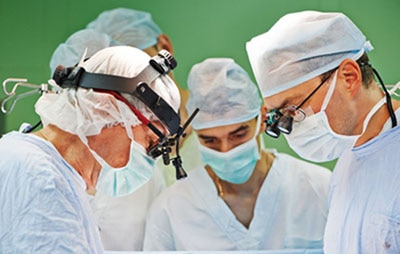
A liver transplant replaces a diseased or injured liver with a donor liver (or a portion of a donor liver). The operation is lengthy (often many hours) and requires general anesthesia, intensive monitoring, and a specialized surgical and anesthesia team. [1] [2]
At a high level, the surgeon removes the native liver, positions the donor liver (or partial graft), reconnects major blood vessels (inflow and outflow), and reconstructs bile drainage. Early after surgery, care focuses on preventing bleeding, thrombosis, bile-duct complications, infection, and rejection, while initiating immunosuppression and monitoring graft function closely. [1] [3]
Before Surgery
How timing differs for deceased vs living donor
For a deceased-donor transplant, the transplant team typically calls when a matching organ becomes available and you may need to go to the hospital immediately. For a living-donor transplant, surgery is scheduled in advance and both donor and recipient operations occur in parallel. [1] [4]
What the team is trying to prevent
In the days leading up to surgery (or during a rapid call-in), the team’s priorities are to confirm you are stable enough for anesthesia, reduce infection risk, prepare blood products if needed, and ensure lines/monitoring are in place. Even when the process feels fast, these checks exist to reduce preventable intraoperative and early postoperative complications. [1] [2]
Donor & Graft Basics
Deceased donor vs living donor
Deceased-donor transplantation uses an organ from a donor who has died, whereas living-donor liver transplantation uses a portion of a healthy donor’s liver. Both donor and recipient liver tissue can regenerate in volume over time after living donation, which is one reason this approach is possible. [5] [6]
Whole, split, and segmental graft concepts
Some donor livers can be divided (split) to support transplantation in two recipients, and living-donor transplantation often uses a defined segment or lobe. The key surgical principle is that the graft must have adequate inflow (hepatic artery, portal vein), outflow (hepatic veins/IVC), and bile drainage for the recipient. [7] [5]
What Happens in the Operating Room
Step-by-step: the “big moves” (patient-level)
| Phase | What’s happening (plain language) | Why it matters |
|---|---|---|
| Access & monitoring | You are under general anesthesia; the team places IV and monitoring lines and continuously tracks heart and blood pressure. [1] | Enables safe anesthesia for a long operation and rapid response to bleeding or hemodynamic shifts. |
| Native liver removal | The surgeon removes the diseased liver and prepares the recipient vessels and bile duct for connection. [2] [3] | This is one reason transplant surgery can be complex: the native liver is often surrounded by enlarged veins, adhesions, and portal hypertension anatomy. |
| Graft placement | The donor liver (or partial graft) is positioned in the abdomen. [2] | Proper positioning supports tension-free connections and good blood flow. |
| Reconnecting blood flow | Major blood vessels are connected so the liver receives inflow and can drain outflow. [3] | Early vascular problems (especially thrombosis) can threaten the graft and may require urgent intervention. [1] |
| Bile duct reconstruction | The bile duct is connected to allow bile drainage (often duct-to-duct; in some cases a bowel-based reconstruction is used). [3] | Bile duct complications are a major category of post-transplant issues and are monitored closely. [1] |
| Closure & transfer | The incision is closed and you are transferred to ICU for close monitoring and frequent labs. [1] [2] | Early detection of bleeding, thrombosis, bile leak/stricture, infection, or rejection can be graft-saving. |
The key operational idea is simple: remove the failing liver, connect the new liver to blood inflow/outflow, and restore bile drainage—then monitor relentlessly. The complexity comes from each patient’s anatomy, degree of portal hypertension, and comorbid illness, which is why transplant surgery is centralized in specialized programs. [2] [1]
ICU & Early Recovery
What “close monitoring” really means
Immediately after transplant, most patients spend time in an ICU while the team checks labs frequently, assesses liver function, and watches the heart, lungs, and kidneys. Immunosuppressant therapy is started to reduce the risk of rejection, and additional medications may be used to prevent infection and other complications depending on center protocol and patient risk. [1] [2]
Hospital stay and early milestones
Typical hospital length of stay varies by patient and center, but many patients transition from ICU to a regular inpatient unit and then home once pain control, mobility, nutrition, and medication management are stable. Recovery continues for months, with frequent early follow-up and blood tests that become less frequent over time. [2] [1]
Complications
Major categories your team monitors for
The most important early risk categories include bleeding, thrombosis (blood clots) involving liver vessels, bile duct injury or complications, infection, graft failure, and rejection. These risks are why early post-operative monitoring is intensive and why urgent symptoms after discharge should be reported immediately to the transplant team. [1]
Living-donor transplantation adds additional considerations because a healthy donor undergoes major surgery. Donor selection, graft sizing, and center experience are part of the safety architecture for living donation. [7] [6]
Video Library
The videos below are included exactly as provided, to help patients and caregivers visualize the procedure and the broader transplant “ecosystem.” Use them as discussion tools—pause, replay, and write down questions for your team.
What To Do Now
- Ask your team which transplant “path” applies to you right now (deceased donor, living donor, split/segmental options) and what would change that recommendation. [6]
- Request a plain-language explanation of the center’s plan for vascular and bile-duct reconstruction and how they monitor for early thrombosis or biliary complications. [1]
- Build a “caregiver playbook” for the first 30 days after discharge: medication schedule, warning signs, and who to call after hours. [4]
- Watch 1–2 videos with a family member, pause, and write down questions; bring the list to clinic. [8]
Questions to Ask Your Transplant Team
- What are the most common early complications at this center (bleeding, thrombosis, bile-duct issues), and what is your monitoring protocol? [1]
- For my situation, is living donation reasonable, and what donor-safety framework do you use (selection, sizing, follow-up)? [7]
- What will my ICU course likely look like (lines, tubes, lab frequency, mobility goals), and what milestones must be met before discharge? [1]
- How will you teach immunosuppression and infection-prevention routines, and who do we call after hours for urgent questions? [4]
- Which of these videos best matches my situation, and what parts should I ignore because they are center-specific? [8]
References
- NIDDK (NIH). Liver Transplant Surgery (patient-oriented overview, risks, ICU recovery).
- Mayo Clinic. Liver transplant — during the procedure and after the procedure (including vessel and bile-duct connection description).
- Weill Cornell Medicine. Liver Transplantation Surgery (program description and surgical overview including portal vein/hepatic artery/bile duct connections).
- NIDDK (NIH). The Liver Transplant Process (evaluation, waitlist, what to expect).
- Mayo Clinic. Living-donor liver transplant — procedure and regeneration concepts.
- AASLD Liver Fellow Network. Why do we use living donors for liver transplantation?
- AASLD Liver Fellow Network. How much liver is enough? (graft sizing and split concepts).
- YouTube. Liver Transplant surgery | Animation Video (visual overview).
- YouTube. Video (provided link).
- YouTube. Dr. Tomoaki Kato — Biography (program/surgeon context).
- YouTube. Dr. Jean Emond Talks Liver Transplants at Columbia.
- Columbia Surgery. Program Overview: Transplant Surgery Fellowship.
- YouTube. Pediatric Living Donor Liver Transplants — NewYork-Presbyterian.
- Columbia Surgery. Program Overview: Transplant Hepatology Fellowship.
- YouTube. Living Donor Liver Transplant Success Rates — Dr. Benjamin Samstein.
- YouTube. Living Donor Liver Transplants — Traditional and Laparoscopic/Minimally Invasive approaches.
- YouTube. Liver Transplants and Hepatitis C — Dr. Robert S. Brown.