Liver Transplant Procedure Types
A story-style tour of the major liver transplant operations—what they are, why a center chooses them, and how the complication “plot twists” differ. [1] [2] [3]
Overview
Most people hear the phrase “liver transplant” and picture a single standardized operation, but the real world reads more like a collection of related stories that share a theme: replacing liver function when the native liver cannot keep up. The type of graft and procedure is shaped by urgency, anatomy, donor availability, and a transplant center’s capabilities, and it is also shaped by the national policy framework that determines how organs are offered and how outcomes are transparently reported. When you understand the procedure types, you stop thinking only in terms of “will I get a liver,” and you begin thinking in terms of “what kind of liver and what kind of journey,” because each pathway carries different complication probabilities, recovery timelines, and tradeoffs between speed and risk. [1] [2] [3]

A. Deceased-Donor Whole Liver Transplant
In the “whole graft” story, the liver arrives from a deceased donor as a single intact organ, and your operation is planned around that complete anatomy. This is the most familiar narrative: the phone call, the rapid drive in, the pre-op evaluation repeating questions you have answered before, and then the moment you hand your failing liver over to a team that replaces it with a liver that has never met your bloodstream. The advantage is structural simplicity and a long history of refinement, which is why most public outcome reporting and program comparisons are anchored in whole-organ transplantation. The plot twists, however, are not rare: biliary complications, vascular thrombosis, infection, and rejection can appear early, and metabolic and cardiovascular stress can appear later. When you compare centers, this is the baseline against which you judge the rest: not perfect, but well-characterized, and often associated with strong one-year outcomes in modern reporting systems. [2] [3]
B. Deceased-Donor Split Liver Transplant
Split liver transplantation is the “two-readers, one-book” chapter: a single deceased-donor liver is divided so that two recipients—often a child and an adult, and sometimes two adults—can both receive life-saving grafts. The reason this exists is not because surgeons love complexity; it exists because scarcity demands creativity, and the donor pool will never meet need unless technical strategies expand it. In modern eras, outcomes for split graft recipients can be similar to whole graft recipients when the center selects recipients carefully and has the technical expertise to manage size matching, blood flow, and biliary reconstruction. The complication rhythm differs: partial grafts can face “small-for-size” physiology if demand outstrips functional mass, and biliary and vascular complications can be more common in some settings. The key story question to ask a program is not “do you do splits,” but “how often, in whom, and with what contemporary outcomes,” because experience matters in this chapter. [4] [2]
C. Living-Donor Transplant
Living-donor liver transplantation is the chapter where time stops being purely random. Instead of waiting for an offer that may arrive too late, a healthy donor gives a portion of liver, and the operation can be scheduled while you are still strong enough to recover well. That scheduling power can be life-saving, especially when MELD does not fully capture the burden of symptoms or the speed of decline, and it can also mean transplantation before catastrophic complications rewrite the story. But living-donor transplantation carries its own distinct plot twists, particularly in the bile ducts: biliary strictures and bile leaks are repeatedly highlighted in systematic reviews and meta-analyses as more frequent in living-donor recipients than in deceased-donor whole-graft recipients, reflecting the technical demands of reconstructing smaller, variant ducts. For donors, the emotional generosity is matched by a clinical obligation: donor safety is central, because the donor begins the story healthy, and the system must keep them that way. [5] [6]
D. Technical Variant Grafts
“Technical variant grafts” is an umbrella term that includes reduced-size grafts and other surgically modified graft configurations, most commonly discussed in pediatric transplantation but increasingly relevant when programs broaden access and tailor grafts to recipient size and physiology. The story logic is simple: if the recipient is small (or the donor is exceptionally large), or if the program can safely modify graft size and inflow/outflow, a technical variant can increase utilization and reduce waitlist risk. The story reality is complex: size mismatch, vascular reconstruction, and preservation injury can each become a turning point, and outcomes depend heavily on center experience, perioperative protocols, and recipient selection. Contemporary analyses in pediatric cohorts compare technical variants against whole grafts, explicitly asking whether modern practice has narrowed historical outcome gaps, and they highlight that “variant” does not mean “inferior” when performed in the right setting. If your program mentions technical variants, your best move is to ask how they decide which patients are candidates and what their complication patterns look like in their own data. [7] [2]
E. Domino Liver Transplant
Domino liver transplantation is the plot twist that sounds like science fiction the first time you hear it: a patient with a metabolic liver condition receives a new liver, and their removed liver—still capable of functioning for many years—can be transplanted into another recipient. The classic domino story involves transthyretin (ATTR) amyloidosis, where the liver’s structure is normal but produces an abnormal protein; the domino recipient gains liver function but carries a long-term risk of developing amyloidosis manifestations over time, which makes informed consent central. Domino transplantation has also been described in other metabolic contexts, and the through-line is always the same: expand supply while honestly naming the downstream risks that are being “imported.” In practical terms, domino grafts require thoughtful recipient selection (often older recipients or those with limited alternatives) and long-term monitoring plans, because the complication arc is delayed and subtle rather than immediate and dramatic. If you ever hear “domino” offered, the most important question is not “is it safe,” but “safe enough for me, given my timeline and my alternatives.” [8] [9]
F. Retransplantation
Retransplantation is the chapter nobody wants, but transplant teams must plan for it because graft failure can occur despite best practice. Sometimes the cause is early and technical—vascular thrombosis, primary nonfunction, severe preservation injury—where the clock moves in hours to days; other times the cause is late and clinical—chronic rejection, recurrent disease, progressive biliary injury—where the clock moves in months to years. Across eras and studies, survival after retransplantation is generally lower than survival after first transplant, and modern reviews emphasize that outcomes are strongly shaped by the recipient’s condition at the time of retransplant: ICU status, renal failure, high MELD, and marginal grafts all worsen the story. Timing also matters; meta-analytic work exploring “early” versus “late” retransplantation suggests that how you define the timeline changes the interpretation, but the practical message is consistent: when retransplantation is needed, centers aim to identify the failing graft early enough that the patient is still strong enough to survive the second operation. For patients, the emotional takeaway is difficult but empowering: graft health is monitored because action is possible, and because transplant is a continuum, not a single event. [11] [12]
What to Do Now (Practical Next Steps)
If you are early in evaluation, use this page as a decision framework rather than a memorization task. Start by asking your team which graft types your center commonly uses and why, then connect that answer to your personal risk profile: urgency, anatomy, comorbidities, and social support. Next, look up your center’s publicly reported outcomes in standardized frameworks—transplant rate, waitlist outcomes, and early graft survival—because these numbers do not replace bedside judgment, but they do anchor a reality check and help you compare programs fairly. Finally, treat “procedure type” as a negotiation about time and risk: living donor and certain deceased-donor strategies may shorten waiting but can shift complication probabilities, while whole deceased-donor grafts may be the best balance for many patients. The goal is not to control every variable; the goal is to ask the questions that expose how your program thinks, how it communicates tradeoffs, and how it responds when the story takes an unexpected turn. [1] [2] [3]
Questions to Ask Your Liver or Transplant Team
Use these as a script and bring them in writing: “Which procedure types do you do most often here—whole deceased donor, split, living donor, technical variants, domino—and which ones are realistic options for me given my anatomy, urgency, and comorbidities?”; “If you recommend living donor, what are your center’s biliary complication rates, and how do you handle leaks and strictures in the first year?”; “How often do you use split or technical variant grafts in adults, and how does your graft failure risk compare to whole grafts in the modern era?”; “If you ever use domino grafts, how do you counsel recipients about long-term acquired disease risk and monitoring?”; “If a graft fails early, what is the pathway to urgent relisting and retransplant evaluation, and what recipient factors most strongly predict retransplant outcomes at your center?”; and “Can you show me where your program falls in SRTR’s standardized metrics—getting transplanted faster, waitlist outcomes, and one-year graft survival—so I understand how you perform relative to national benchmarks?” [2] [3] [5] [11]
References
- OPTN/HRSA. Liver (allocation overview and policy context).
- SRTR. 5-Tier Outcome Assessment (waitlist survival, transplant rate, 1-year organ survival).
- SRTR. National Rates Table: Liver (adult) — example 1-year survival with functioning transplant by tier.
- Yu Z, et al. (PubMed). Split or whole liver transplantation? Utilization and outcomes (modern comparison of SLT vs WLT).
- Hassouneh R, et al. (PubMed). Risk factors for biliary strictures and leaks after living-donor liver transplantation (systematic review/meta-analysis).
- Giri S, et al. (PubMed). Comparison of biliary complications between living and deceased donor liver transplantation (meta-analysis).
- McElroy LM, et al. (PMC). Appraisal of technical variant grafts compared to whole liver grafts (contemporary cohort analysis).
- Azoulay D, et al. (PubMed). Domino liver transplants for metabolic disorders (foundational clinical experience).
- Grande-Trillo A, et al. (PubMed). Domino liver transplantation in hereditary transthyretin amyloidosis (recipient risk evaluation).
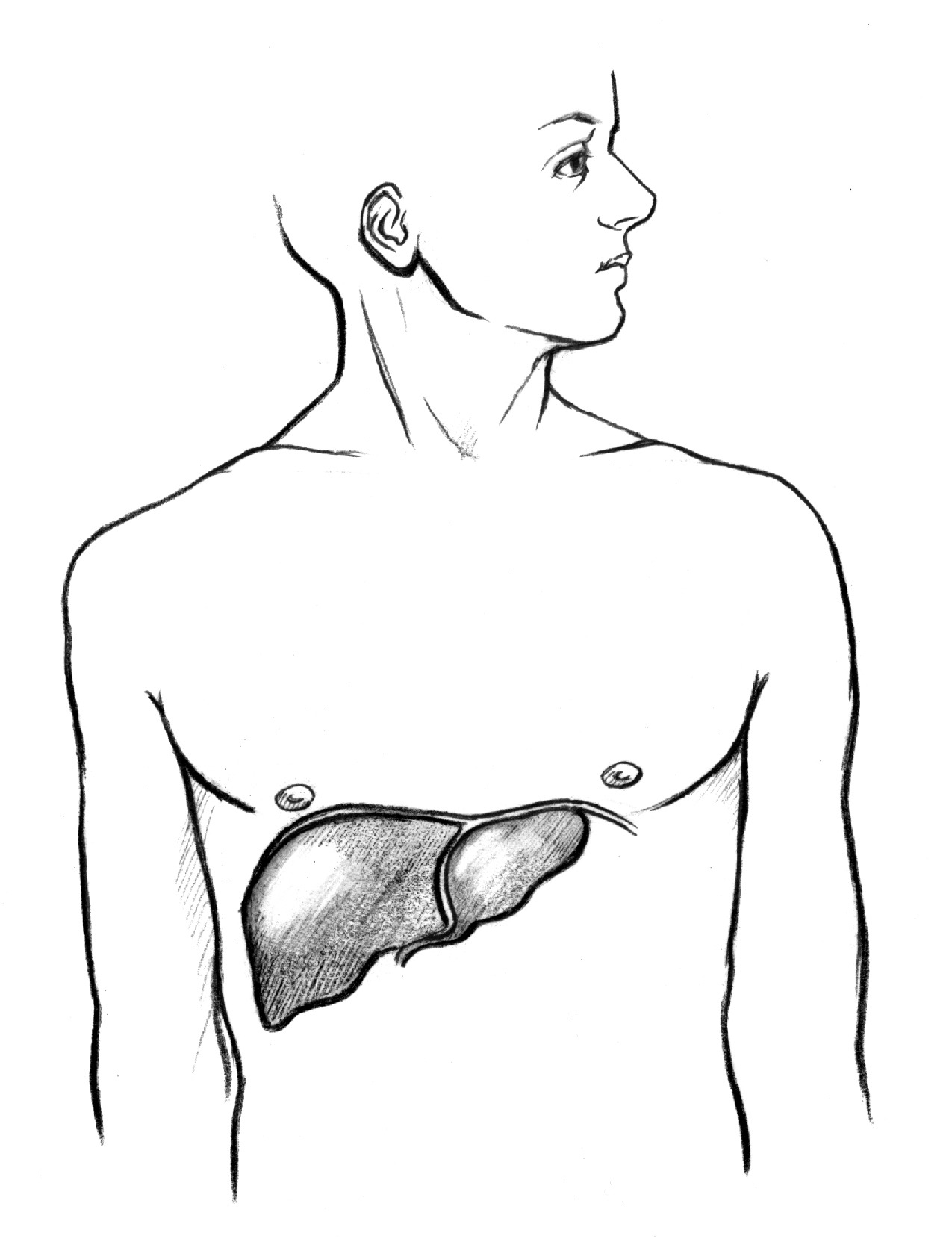
- NIDDK/NIH Media Library. Educational image asset: location of the liver in the body.
- Likhitsup A, et al. (PubMed). Indications and outcomes with liver retransplantation (modern review and risk factors).
- Li L, et al. (PMC). Liver retransplantation: timing and outcomes (meta-analysis).