{{tag-pill}}
{{POST TITLE}}
{{1–2 line subtitle that states the “one question” this post answers.}} [1]
Overview
Why It Matters in Liver Disease and Transplant
{{Explain the transplant-specific relevance (risk, timing, complications, meds, procedures).}} [{{n}}]
{{Add one “clinic reality” paragraph: what teams monitor, what changes plans, what triggers urgency.}} [{{n}}]
What to Watch For
- {{Symptom / sign #1}} — {{what it can mean + what to do}} [{{n}}]
- {{Symptom / sign #2}} — {{what it can mean + what to do}} [{{n}}]
- {{Symptom / sign #3}} — {{what it can mean + what to do}} [{{n}}]
Urgent red flags: {{List emergency/urgent examples relevant to this topic (1–2 lines).}}
[{{n}}]
What to Do Now
- Today: {{One concrete action}} [{{n}}]
- This week: {{One concrete action}} [{{n}}]
- Before your next visit: {{One concrete action}} [{{n}}]
{{Optional: a “how to talk about it” script for patients/caregivers.}}
Questions to Ask Your Liver or Transplant Team
References
- CDC. Understanding Health Literacy (principles for clear, usable health information).
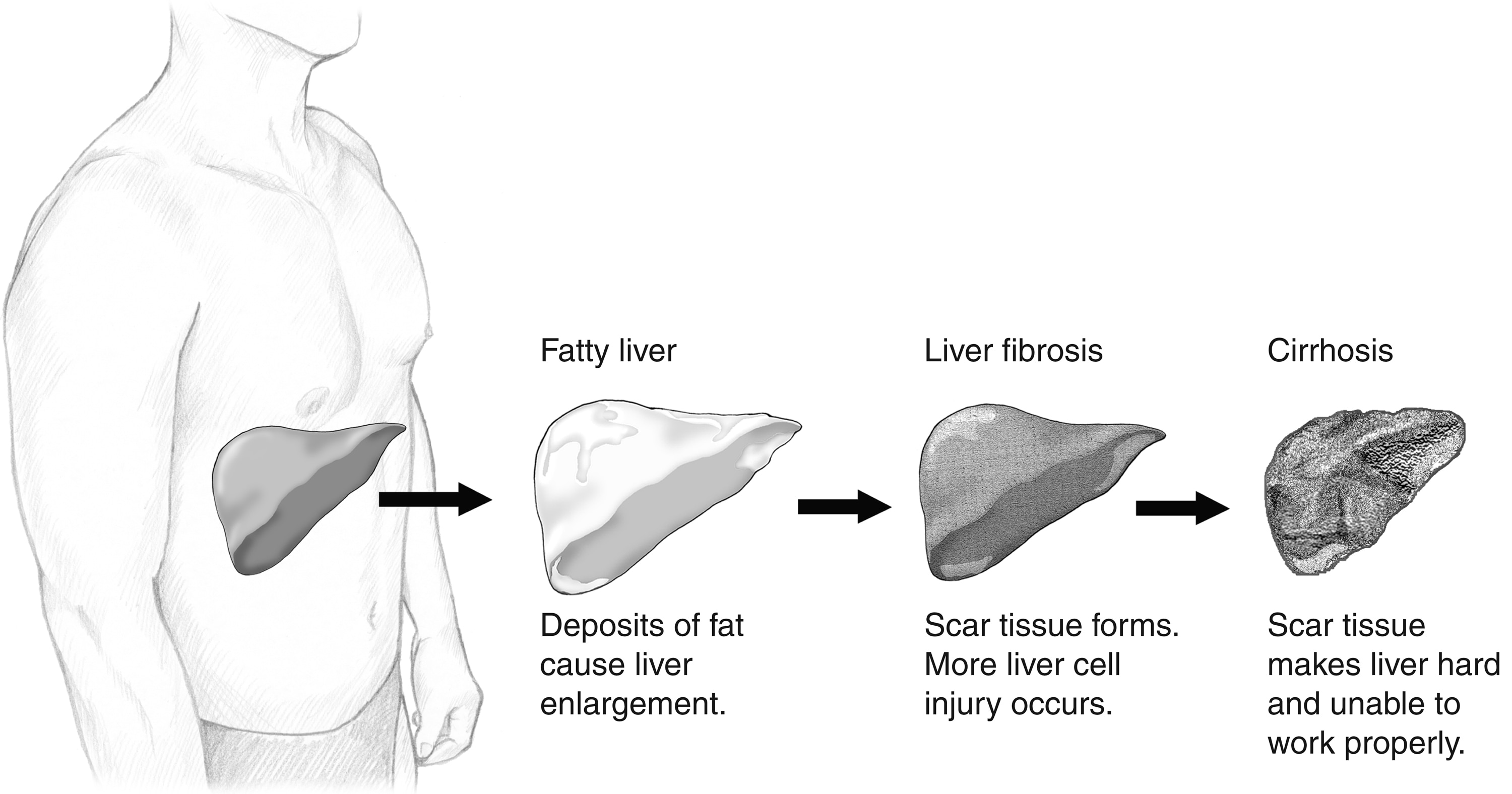
- NIDDK/NIH Media Asset. The Stages of Liver Damage: Normal Liver, Fatty Liver, Liver Fibrosis, and Cirrhosis (image; credit NIDDK/NIH).
- {{Source name}} {{Title/descriptor of the source.}}
- {{Source name}} {{Title/descriptor of the source.}}
Medical Disclaimer: This page is for educational purposes only. It does not provide medical advice, diagnosis, or treatment and does not create a doctor–patient relationship.
Decisions must be made with your licensed clinician and transplant team.
Seek urgent or emergency care for vomiting blood, black or bloody stools, fainting, severe confusion, fever, severe abdominal pain, shortness of breath, or any sudden concerning symptoms—especially if symptoms are sudden or worsening.