Hepatic Haven Newsletter Archive
A growing library of printable Hepatic Haven newsletters for liver disease patients, transplant candidates, transplant recipients, caregivers, families, and healthcare professionals. Each issue is designed to make complex liver and transplant topics easier to understand, print, save, and discuss with the medical team. [15] [16]
Overview
Hepatic Haven is a patient-centered newsletter series published by LiverTransplantGuide.com. It was created to help patients and caregivers better understand liver disease, cirrhosis, transplant evaluation, transplant readiness, medications, complications, recovery, ethics, informed consent, reconstructive surgery, and life after transplantation.
This page serves as the central Hepatic Haven Newsletter Archive. Instead of searching for individual PDF files, visitors can open or download every available issue from one organized RuleZeta library page. The archive supports patient education, clinic preparation, caregiver communication, and productive discussion with licensed healthcare professionals. [15]
Hepatic Haven Newsletter Archive
Select any issue below to open it in a new browser tab. Each PDF may also be saved for printing, clinic visits, caregiver review, teaching, or personal education. Special Issue 0 is a memoir edition and is featured first in the archive.
Hepatic Haven — Special Issue 0
My Story: A Liver Transplant Journey of Faith, Hope & Resilience. This special memoir edition follows Dr. Michael Baruch's journey from the early warning signs of liver disease through diabetes, hepatic encephalopathy, transplant evaluation, the call, liver transplantation, ICU complications, rehabilitation, emotional recovery, and returning to life. It also includes medical commentary, patient lessons, physician takeaways, a timeline, references, and reflections on receiving a second chance at life.
Hepatic Haven — Issue 1
An introduction to liver health, common signs of liver disease, prevention, nutrition, hydration, and the liver's essential roles in metabolism, digestion, detoxification, and overall health.
Hepatic Haven — Issue 2
A history of liver transplantation honoring pioneers such as Thomas Starzl and the multidisciplinary teams whose perseverance transformed an experimental operation into accepted care.
Hepatic Haven — Issue 3
Mind & Liver: transplant psychiatry, anxiety, depression, cognition, delirium, hepatic encephalopathy, capacity, consent, sleep, medication safety, and the human side of liver disease.
Hepatic Haven — Issue 4
The Renal-Liver Axis: how liver disease affects kidney function, acute kidney injury, chronic kidney disease, hepatorenal syndrome, and decisions about liver versus combined liver-kidney transplantation.
Hepatic Haven — Issue 5
A special Valentine's issue honoring transplant caregivers and explaining their essential roles before surgery, during hospitalization, after discharge, and throughout long-term recovery.
Hepatic Haven — Issue 6
Practical guidance on nutrition, protein, sodium, sarcopenia, frailty, safe exercise, strength, and changing dietary and activity goals before and after liver transplantation.
Hepatic Haven — Issue 7
A special edition on ethical organ harvesting, transplant ethics, organ trafficking, informed consent, protection of human dignity, and Jan Jekielek's book Killed to Order.
Hepatic Haven — Issue 8
Informed Consent: the Dead Donor Rule, brain death, donation after circulatory death, donor protections, family communication, ethical safeguards, and public trust.
Hepatic Haven — Issue 9
Plastic and reconstructive surgery in liver transplantation, including difficult abdominal closure, wound healing, hernia repair, scar management, tissue preservation, function, and quality of life.
Hepatic Haven — Issue 10
The Power of Connection: liver transplant support groups for candidates, recipients, caregivers, and families. This issue covers peer support, safe meetings, emotional health, facilitator guidance, Aimee Muthe's leadership, a transplant-aware recipe, original poetry, a liver crossword, and a Wend puzzle.
Hepatic Haven — Issue 11
This Fall 2026 edition explores human trafficking, labor exploitation, protecting children, trauma-informed clinical conversations, recovery, liver health, ethical organ donation, and forced organ harvesting. It also includes profiles of Jim Caviezel and Timothy Ballard, Jan Jekielek’s work, the poem A Life That Is Your Own, reflection questions, references, and help resources. [12]
Hepatic Haven — Issue 12
Insurance and liver transplantation: coverage options, Medicare and Medicaid, prior authorizations, claim denials and appeals, prescription costs, financial assistance, caregiver guidance, and practical checklists and worksheets. Includes a new cover and clickable, highlighted, underlined contents and citations. [13]
Hepatic Haven — Issue 13
Shen Yun and Dragon Springs. Shen Yun at 20: artistry, faith, performer health, and transplant ethics. Includes Dr. Michael Baruch’s Dragon Springs tour, an illustrated gallery of temples, gardens, sculptures and traditional joinery, and a sourced discussion of CCP political warfare and overseas influence. The 28-page issue includes clickable contents and highlighted, underlined citations. [14]
How to Use This Newsletter Library
This archive is designed to be practical. Patients and caregivers can read the newsletters online, print them, save them, or bring them to medical appointments. A printed newsletter can help focus a visit by providing a convenient place to mark questions, symptoms, medication concerns, and topics requiring clarification.
- Read for understanding. Begin with the issue that most closely matches your present concern or stage of care.
- Print and mark questions. Highlight unfamiliar terms, symptoms, medication issues, or transplant-related concerns.
- Bring the newsletter to appointments. Use it as a discussion guide with your hepatologist, transplant surgeon, coordinator, nurse, dietitian, social worker, pharmacist, dermatologist, or plastic surgeon.
- Share it with caregivers. Family members and caregivers often need the same information presented in clear, accessible language.
- Build a personal archive. Save printed or digital copies so your educational library grows throughout the transplant journey.
Read the Latest Issue — Issue 13
Hepatic Haven — Issue 13 · Fall 2026. Shen Yun at 20: artistry, faith, performer health, and transplant ethics. Includes Dr. Michael Baruch’s Dragon Springs tour, an illustrated gallery of temples, gardens, sculptures and traditional joinery, and a sourced discussion of CCP political warfare and overseas influence. The 28-page issue includes clickable contents and highlighted, underlined citations. [14]
Some mobile browsers do not display embedded PDFs. Use “Open Issue 13 in New Tab” to read the newsletter, then use your browser’s save or print controls.
Questions to Ask Your Liver or Transplant Team
- Which newsletter issue is most relevant to my current stage of liver disease or transplant care?
- Are there symptoms described in these newsletters that should prompt an urgent call to the transplant center?
- How should I track my medications, laboratory values, MELD score, kidney function, nutrition, and mental-status changes?
- What information should my caregiver understand before my next appointment?
- What is the most important action I can take this month to remain stable, informed, and prepared?
Educational materials do not replace professional medical care, but they can help patients and families ask better questions and participate more actively in medical decision-making. [15] [16]
References
- Hepatic Haven — Special Issue 0. My Story: A Liver Transplant Journey of Faith, Hope & Resilience. LiverTransplantGuide.com special memoir edition.
- Hepatic Haven — Issue 1. LiverTransplantGuide.com newsletter PDF.
- Hepatic Haven — Issue 2. LiverTransplantGuide.com newsletter PDF.
- Hepatic Haven — Issue 3. LiverTransplantGuide.com newsletter PDF.
- Hepatic Haven — Issue 4. LiverTransplantGuide.com newsletter PDF.
- Hepatic Haven — Issue 5. LiverTransplantGuide.com newsletter PDF.
- Hepatic Haven — Issue 6. LiverTransplantGuide.com newsletter PDF.
- Hepatic Haven — Issue 7. LiverTransplantGuide.com newsletter PDF.
- Hepatic Haven — Issue 8. LiverTransplantGuide.com newsletter PDF.
- Hepatic Haven — Issue 9. LiverTransplantGuide.com newsletter PDF.
- Hepatic Haven — Issue 10. The Power of Connection: Liver Transplant Support Groups. LiverTransplantGuide.com newsletter PDF.
- Hepatic Haven — Issue 11. Fall 2026. Human trafficking, compassionate care, and transplant ethics. LiverTransplantGuide.com.
- Hepatic Haven — Issue 12. Fall 2026. Insurance and Liver Transplantation. LiverTransplantGuide.com.
- Hepatic Haven — Issue 13. Fall 2026. Shen Yun and Dragon Springs. Illustrated 28-page edition. LiverTransplantGuide.com.
- Centers for Disease Control and Prevention. Understanding Health Literacy.
- Bhattad PB, et al. Promoting Patient Education and Health Literacy. Cureus. 2022.
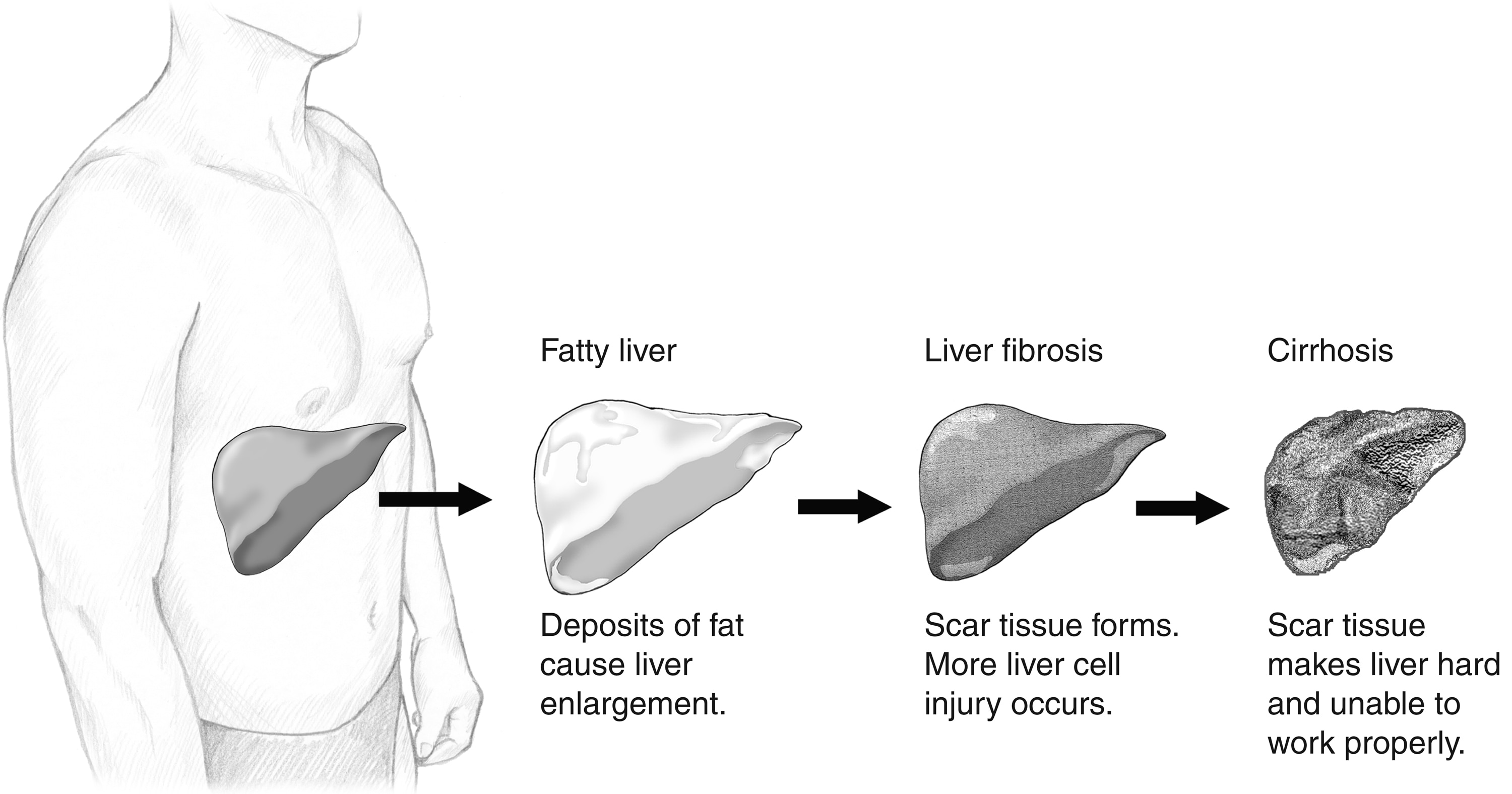
- NIDDK/NIH Media Asset. The Stages of Liver Damage: Normal Liver, Fatty Liver, Liver Fibrosis, and Cirrhosis.
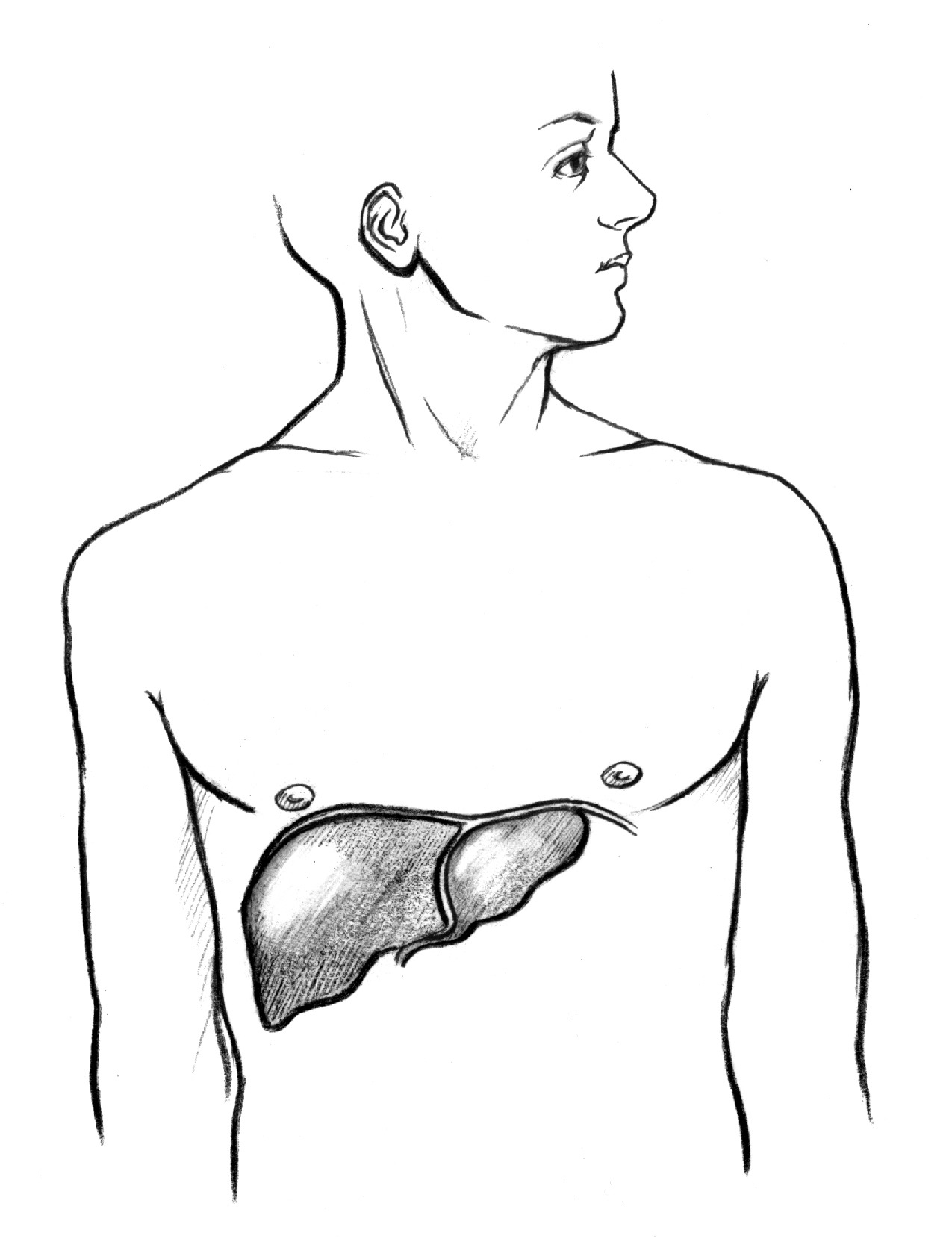
- NIDDK/NIH Media Asset. The Location of the Liver within the Human Body.