Kato · Surgeon, Innovator, Survivor
A depth-A hybrid page that blends Dr. Tomoaki Kato’s personal journey with a detailed explanation of the complex liver and multiorgan procedures he helped bring into practice.
Biography & Professional Roles
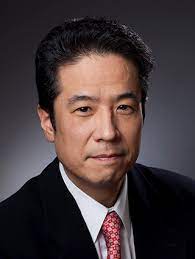
Tomoaki Kato, MD, is widely recognized as a pioneer in multiple-organ transplantation, pediatric and adult liver transplantation, intestinal transplantation, and ex vivo tumor surgery. At NewYork-Presbyterian/Columbia, he serves as:
- Chief, Division of Abdominal Organ Transplant and Hepatobiliary Surgery
- Surgical Director, Adult and Pediatric Liver and Intestinal Transplantation
- Executive Director, Columbia Transplant Initiative
- Professor of Surgery at Columbia University Vagelos College of Physicians and Surgeons[1]
Before coming to New York, Dr. Kato led pediatric liver and gastrointestinal transplant programs at the University of Miami. Early in his career he became known for daring, carefully planned operations in which multiple organs were removed, a large tumor or vascular problem was corrected, and the organs were reimplanted — sometimes after hours of work outside the body. [6]
Over time, he has combined this technical expertise with a leadership role in building multidisciplinary transplant programs — bringing together surgeons, hepatologists, oncologists, anesthesiologists, intensivists, and specialized nurses to care for some of the sickest patients in medicine. [1][11]
Surgeon & Patient · The COVID-19 Story
In 2020, Dr. Kato himself became a patient when he developed severe COVID-19. He was hospitalized at NewYork-Presbyterian/Columbia with respiratory failure and multiorgan dysfunction, requiring prolonged intensive care and mechanical support. His colleagues later described how close he came to dying. [3][4]
After months of recovery, he gradually returned to daily activities, then to surgery, and ultimately to long-distance running, completing the New York City Marathon as a symbol of resilience. Columbia and NewYork-Presbyterian both highlighted his story as an example of teamwork and determination in the face of COVID-19. [3][4]
In interviews, he has emphasized how being on “the other side of the bed” changed his perspective. He speaks more slowly with patients, gives extra time to families, and is more attuned to how frightening uncertainty can be — even when the medical team is optimistic. [4]
Video Lectures & Interviews
These videos allow patients and clinicians to learn directly from Dr. Kato’s surgical teaching and his personal recovery journey.
Related Articles
•
CUIMC: Amazing Comeback from COVID
•
NYP: One Living Donation Saves Three Lives (Domino Split-Liver)
These articles cannot be embedded as video players but provide detailed written accounts of Kato’s illness, recovery, and innovations. [3][8]
Kato Innovation Timeline
This simplified timeline highlights selected milestones in Dr. Kato’s innovative career. It is not a full CV but a way to understand how his ideas evolved over time.
-
Early Training & Miami Era
Develops expertise in pediatric liver and intestinal transplantation at the University of Miami, participating in early multivisceral and ex vivo tumor resections that challenge traditional ideas about what is “operable.” [6]
-
Multiorgan & Ex Vivo Surgery
Performs landmark multiorgan ex vivo procedures, including removal of multiple abdominal organs, resection of otherwise inoperable tumors, and reimplantation of organs in a single operation. These cases are technically demanding and require exquisite control of blood flow and ischemia. [5][6]
-
Columbia & NYP Leadership
Joins NewYork-Presbyterian/Columbia and becomes chief of abdominal organ transplantation and Surgical Director of adult and pediatric liver and intestinal transplant. Helps shape institutional strategy through the Columbia Transplant Initiative, drawing complex cases from around the world. [1][11]
-
Ex Vivo Liver Resection & Autotransplantation
Co-authors key papers describing ex vivo liver resection and autotransplantation as an emerging option for tumors that cannot be removed safely in situ. Later studies ask whether this technique should be used more widely, emphasizing strict selection and high-volume center experience. [7][9][12]
-
COVID-19 Illness & Recovery
Survives severe COVID-19 in 2020, with CUIMC and NewYork-Presbyterian publishing his story as an example of teamwork and resilience. His return to surgery and marathon running becomes a powerful symbol for patients and staff. [3][4]
-
Domino Split-Liver Transplant in Adults
In 2025, transplant surgeons at NewYork-Presbyterian/Columbia, including Dr. Kato, perform the first reported living-donor domino split-liver transplant in adults in the United States. One altruistic donor helps save three adult patients by combining multiple advanced techniques in a carefully choreographed sequence of operations. [8]
Podcasts & Audio · Hearing the Voice Behind the Scalpel
If you learn best by listening, these audio resources provide in-depth discussion of multivisceral transplant, technical details, and the human side of surgery.
Behind the Knife — Multivisceral Transplant Surgery
On the Behind the Knife surgical podcast, Dr. Kato discusses multivisceral transplantation, ex vivo approaches, and practical tips for dealing with complex portal and vena cava involvement in abdominal tumors. [10]
NewYork-Presbyterian Health Matters & Media
NewYork-Presbyterian’s Health Matters platform and related media channels include interviews and audio stories that highlight Dr. Kato’s recovery, his gratitude toward his ICU team, and the milestones of Columbia’s transplant program. [4]
Why Kato’s Work Matters for Liver & Transplant Patients
Most patients with cirrhosis or standard transplant indications will never need ex vivo resection or multivisceral transplant. However, Dr. Kato’s work matters because it expands the boundaries for carefully selected complex cases.
- “Inoperable” can be center-dependent. A tumor that cannot be removed safely at one hospital might have options at a center with ex vivo and multivisceral experience — but only after thorough evaluation by expert teams.
- Volume and specialization influence outcomes. Research in liver surgery shows better outcomes at high-volume centers with dedicated transplant programs, especially for high-risk or anatomically complex procedures.
- Innovation brings hope, not guarantees. Techniques like ex vivo resection and domino split-liver transplant are powerful tools, but they carry significant risks and are not appropriate for everyone. [7][9][12]
- The human story matters. Dr. Kato’s survival from severe COVID-19 and return to surgery can give patients a tangible example of recovery after profound illness — even when the road is long and uncertain. [3][4]
References
- Columbia Surgery — Tomoaki Kato, MD (profile)
- YouTube — Liver Transplant Surgery: Tomoaki Kato, MD (Columbia Surgery)
- Columbia University Irving Medical Center — An Amazing Comeback from COVID: Dr. Kato’s Story
- NewYork-Presbyterian Health Matters — I Survived Because of Everybody’s Hard Work
- YouTube — Historic Multi-Organ/Ex Vivo Surgery Press Conference
- Columbia Surgery Liver Connection Newsletter — Early Profile of Dr. Kato & Multi-Organ Surgery
- Hwang R, Liou P, Kato T. Ex vivo liver resection and autotransplantation: an emerging option in selected indications. J Hepatol. 2018.
- NYP Health Matters — One Living Donation Saves Three Lives: First Domino Split-Liver Transplant in Adults in the U.S.
- Weiner J et al. Ex Vivo Liver Resection and Autotransplantation: Should It Be Used More Frequently? Ann Surg. 2022.
- Behind the Knife Podcast — Dr. Tomoaki Kato on Multi-Visceral Transplant Surgery
- CUIMC — Tomoaki Kato Assumes Leadership Role for Columbia Transplant Initiative
- Yang C et al. Current status of ex vivo liver resection and autologous liver transplantation. World J Gastrointest Surg. 2024.
- YouTube — Dr. Kato: COVID Recovery Feature
- YouTube — Domino & Split-Liver Transplant Overview
© Dr. Michael Baruch · LiverTransplantGuide.com