Dale Carnegie Principles and the Liver Transplant Journey
Timeless communication and relationship principles that ease stress, build trust, and strengthen partnerships throughout transplant care.
Why Dale Carnegie Matters in Transplantation
Liver transplantation is as much a relational journey as a medical one. Patients, caregivers, and clinicians navigate fear, uncertainty, complex decisions, and long-term follow-up together. How we speak, listen, and treat one another profoundly affects emotional well-being, adherence, and outcomes. Dale Carnegie’s principles—rooted in respect, empathy, and genuine human connection—offer practical, proven tools to reduce conflict, foster collaboration, and maintain hope. These habits do not change the medical facts, but they transform how families and teams experience them, turning potential adversaries into allies and overwhelming situations into manageable partnerships.[1][2]
Core Carnegie Techniques for Transplant Life
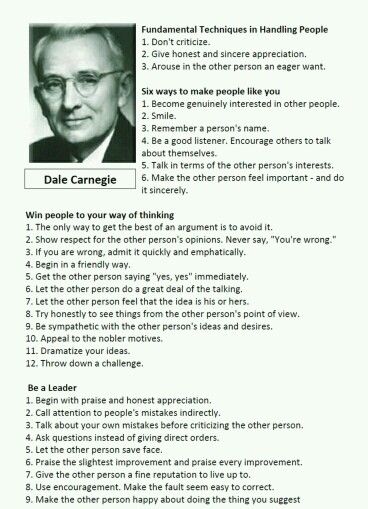
1. Don’t criticize, condemn, or complain — When labs are late, appointments delayed, or someone forgets meds, blame fuels resentment. Instead, calmly state the issue and seek solutions (“Let’s figure out how to prevent this next time”).
2. Give honest, sincere appreciation — A specific “Thank you for staying up all night with me after the paracentesis” or “I really appreciate how clearly you explained the biopsy results” strengthens bonds and morale.
3. Arouse an eager want — Frame difficult tasks around what matters most: “Taking tacrolimus exactly on time protects the gift you’ve been given and keeps you here for your grandkids.” Motivation rooted in personal values works far better than fear or obligation.[1]
Making People Feel Heard and Valued
Carnegie’s “Six Ways to Make People Like You” translate beautifully into transplant clinics and family discussions:
- Become genuinely interested — Ask your coordinator about their day, or your caregiver what they need most right now.
- Smile and use names — A warm “Good morning, Sarah” to the nurse who draws blood every week builds instant rapport.
- Be a good listener — Put the phone down, make eye contact, and reflect: “So what I’m hearing is you’re terrified of rejection…”
- Talk in terms of the other person’s interests — Frame sodium restriction as “fewer swollen legs and more energy for walks” rather than rules.
These small acts dissolve defensiveness and create the trust essential for honest disclosure of symptoms or adherence struggles.[2]
Winning Cooperation and Calming Worry
Transplant decisions—listing, surgery consent, lifelong immunosuppression—can spark fear-driven arguments. Carnegie’s persuasion principles help:
- Avoid arguments — replace “You’re wrong” with “Help me understand your concern.”
- Admit mistakes quickly — “I misunderstood the sodium limit; thank you for correcting me.”
- Begin friendly — start with shared goals: “We both want you home and healthy.”
- Let the other person save face — never embarrass a caregiver or clinician in front of others.
For worry (the constant companion on the waitlist), Carnegie advises living in “day-tight compartments”: focus only on today’s labs, today’s meal, today’s walk. Accept uncertainty as unavoidable, then redirect energy to controllable actions—preparing questions, organizing meds, or calling a friend. These habits don’t eliminate risk, but they preserve emotional reserves for the long journey ahead.[3]
Putting It All Together in Daily Transplant Life
Patients: Prepare two or three focused questions per visit; express gratitude; admit adherence slips without shame—the team wants to help, not judge.
Caregivers: Listen first, advise second; replace criticism with curiosity (“What’s making the diet hard this week?”); schedule your own breaks and support.
Clinicians: Use teach-back, validate emotions before facts, and acknowledge caregiver effort explicitly. A simple “You’re doing an amazing job keeping everything organized” can prevent burnout.
These Carnegie-inspired habits—practiced consistently—transform tense clinics into collaborative partnerships, fearful nights into manageable days, and the entire transplant journey into a shared human experience rather than a battle.[4]
Educational Disclaimer
This page adapts Dale Carnegie’s timeless principles for the transplant setting. It is educational only and not a substitute for professional counseling, medical advice, or your center’s policies. Use these ideas respectfully and in alignment with your team’s guidance.
References
- Carnegie, Dale. How to Stop Worrying and Start Living (1948; current edition)
- Psychosocial Interventions and Coping in Liver Transplant Candidates and Recipients (Clin Liver Dis 2024)
- American Society of Transplantation – Communication Tips for Patients and Families
- Self-Management and Communication Strategies in Chronic Illness (J Med Internet Res 2024)