Dentist & Dental Clearance
Dental infections are one of the most common preventable causes of life-threatening sepsis after liver transplantation. Every accredited transplant program requires comprehensive dental evaluation and clearance before active listing to eliminate oral sources of infection under post-transplant immunosuppression.
Why Dental Clearance Is Mandatory Before Liver Transplant
Patients with cirrhosis frequently suffer from poor oral health due to malnutrition, coagulopathy, variceal bleeding risk, and limited access to dental care. Once immunosuppression begins, even minor dental pathology can rapidly seed bacteremia, sepsis, endocarditis, or pneumonia[1][2].
All U.S. transplant centers therefore require documented dental clearance confirming no active infection before a patient may be actively listed on the waitlist.
Risks of Untreated Dental Disease in the Immunosuppressed Patient
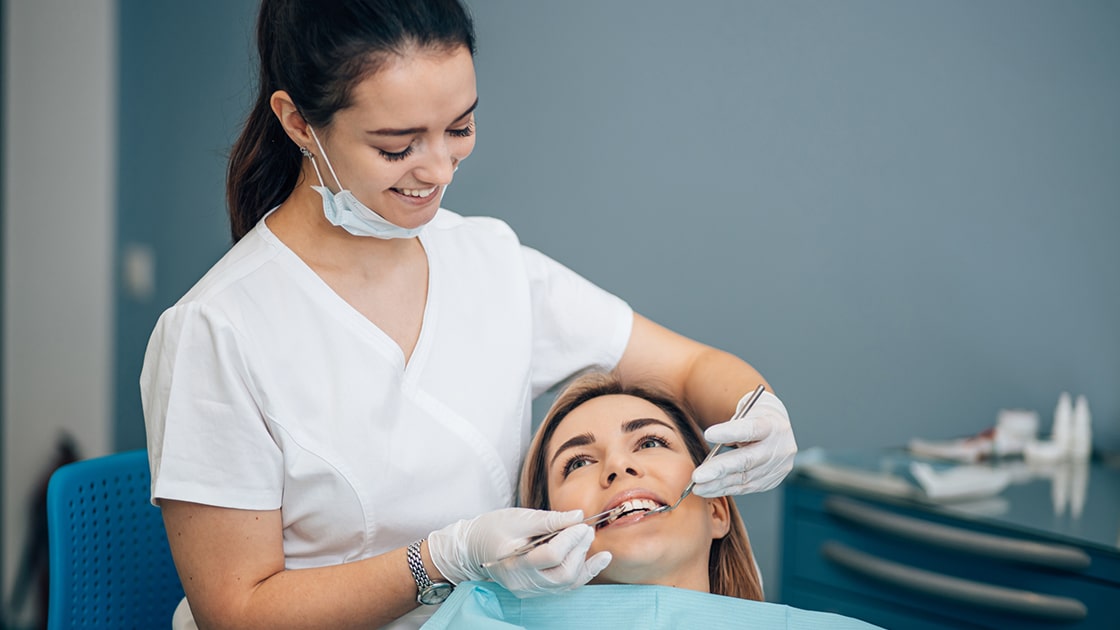
Documented post-transplant complications from poor oral health include:
What the Pre-Transplant Dental Evaluation Includes
- Full-mouth or panoramic radiograph
- Periodontal charting (pocket depths, bleeding, bone loss)
- Identification of periapical pathology, non-restorable teeth, impacted third molars
- Evaluation of existing restorations, crowns, bridges, and implants
- Oral cancer screening (especially alcohol- or viral-related cirrhosis)
The dentist signs a clearance letter stating either “Cleared – no active infection” or “Treatment required before clearance.”
Common Dental Treatments Required Before Clearance
- Extraction of unsalvageable teeth/roots
- Scaling & root planing for moderate–severe periodontitis
- Endodontic treatment or extraction of teeth with abscesses
- Restoration of active caries
- Repair/replacement of defective restorations
Recommended timeline: Complete all invasive treatment ≥4–6 weeks before active listing to allow full healing.
Practical Advice for Patients and Caregivers
Red-flag symptoms requiring urgent dental evaluation:
- New tooth pain or facial swelling
- Persistent bleeding gums
- Loose teeth or changing bite
- Foul taste or chronic bad breath despite hygiene
Caregiver action items:
- Schedule dental evaluation at the start of transplant evaluation
- Complete all required treatment well before active listing
- Assist with daily oral hygiene if patient is fatigued or encephalopathic
- Resume regular dental visits 3–6 months post-transplant and maintain lifelong coordination
Medical Disclaimer
This information is educational only and is not a substitute for professional medical or dental advice. Dental requirements and timelines vary by transplant center. Always follow the specific instructions provided by your liver transplant team. Seek immediate care for any signs of dental infection.
References
- Guggenheimer J, et al. Dental health status of liver transplant candidates. Liver Transpl. 2007;13(2):280-286.
- Guggenheimer J, et al. Dental management of the (solid) organ transplant patient. Oral Surg Oral Med Oral Pathol Oral Radiol Endod. 2003;95(4):383-389.
- Olander AE, et al. Association Between Pre-Transplant Oral Health and Post-Liver Transplant Complications. Transpl Int. 2023;36:11534.
- Lins L, et al. Assessment and management of oral health in liver transplant candidates. J Clin Exp Dent. 2012;4(3):e171-e176.
- Helenius-Hietala J, et al. Effect of the aetiology and severity of liver disease on oral health and dental treatment prior to transplantation. Transpl Int. 2012;25(2):158-165.