
Caregiver and Liver Transplantation
Understanding the essential role of caregivers before and after liver transplant—and how to support both patient and caregiver.
Overview of Caregiving in Liver Transplantation
Caregivers form the backbone of successful liver transplantation, providing hands-on support that enhances patient adherence, reduces complications, and improves overall outcomes. Most transplant programs mandate at least one committed caregiver for listing eligibility, as robust social support correlates with better quality of life and lower readmission rates. Caregivers—often spouses, partners, adult children, siblings, relatives, or close friends—begin their role during the pre-transplant evaluation and extend it through hospitalization, recovery, and lifelong follow-up. This journey demands balancing medical tasks, emotional labor, and personal life, often amid high stress from waitlist uncertainty and potential financial strain. Without adequate support, caregivers risk burnout, which can indirectly harm patient recovery. Recognizing and addressing these challenges ensures a healthier dynamic for both parties throughout the transplant process.[1][2]
Caregiver Roles and Responsibilities
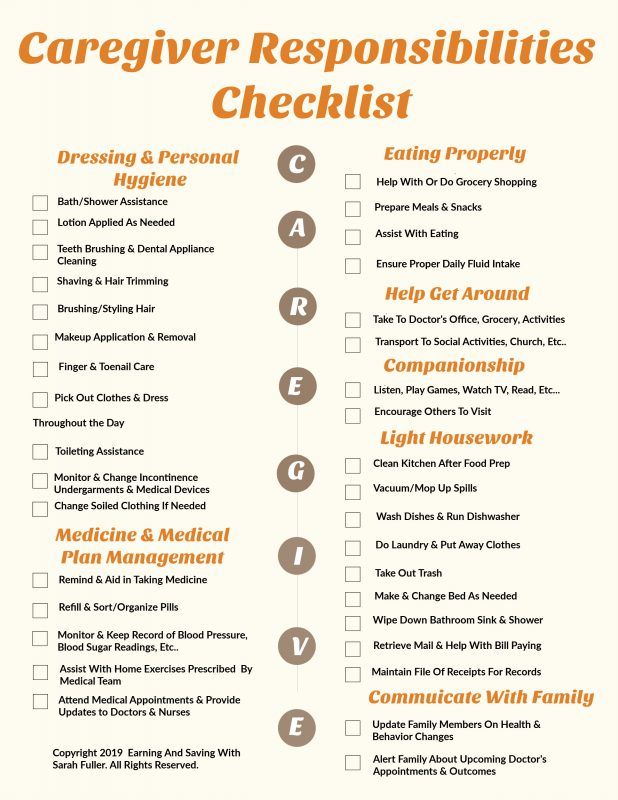
Caregiving extends far beyond casual assistance, encompassing structured duties that transplant teams rely on for seamless care. Pre-transplant, caregivers attend evaluations, monitor symptoms like ascites or edema, maintain medication logs, ensure 24/7 availability for organ offers, and enforce lifestyle shifts such as low-sodium diets and alcohol abstinence. During hospitalization, they participate in team discussions, advocate for pain management, offer reassurance amid delirium, and manage family updates per policy. Post-transplant, responsibilities intensify with overseeing immunosuppression regimens, facilitating frequent labs and visits, vigilantly spotting infection or rejection signs, and promoting mobility through walking programs. These tasks, while rewarding, require clear delineation from the transplant team to set realistic expectations and prevent overwhelm, ultimately fostering stronger patient-caregiver partnerships and superior long-term results.[1][3]
Emotional and Psychological Impact on Caregivers
Advanced liver disease and transplantation exact a profound emotional toll on caregivers, manifesting as elevated stress, anxiety, depression, and uncertainty—particularly during waitlist limbo, acute hospitalizations, and fears of rejection or relapse. Common experiences include persistent worry over survival and finances, guilt from fatigue or frustration, social isolation from disrupted routines, and relational shifts like evolving from partner to primary decision-maker. These feelings, while universal, signal the need for proactive intervention rather than inadequacy. Transplant social workers, psychologists, support groups (virtual or in-person), faith-based resources, and therapy for grief or anxiety offer vital lifelines. Prioritizing mental health not only safeguards the caregiver's well-being but also bolsters the patient's recovery, as caregiver distress can indirectly exacerbate adherence issues or emotional strain in the dyad.[2][4]
Logistics, Planning, and Communication Essentials
Transplantation logistics—encompassing transportation, lodging, insurance navigation, and work absences—often fall to caregivers, freeing patients to prioritize healing. Effective planning involves maintaining a centralized calendar for appointments and labs, securing reliable rides to the center (critical in early discharge weeks), booking accommodations like hotels or hospitality houses for distant centers, completing disability or FMLA paperwork, and organizing documents such as insurance cards and advance directives. Communication thrives with pre-visit question lists, note-taking via apps or notebooks, clarifying urgent versus routine contact protocols (including after-hours lines), and requesting written summaries. Many programs host multidisciplinary sessions and classes for caregivers, empowering them with knowledge and forging collaborative ties with the team. Streamlined logistics and open dialogue minimize errors, alleviate anxiety, and promote equitable care access across diverse family structures.[1][5]
Caregiver Self-Care and Warning Signs
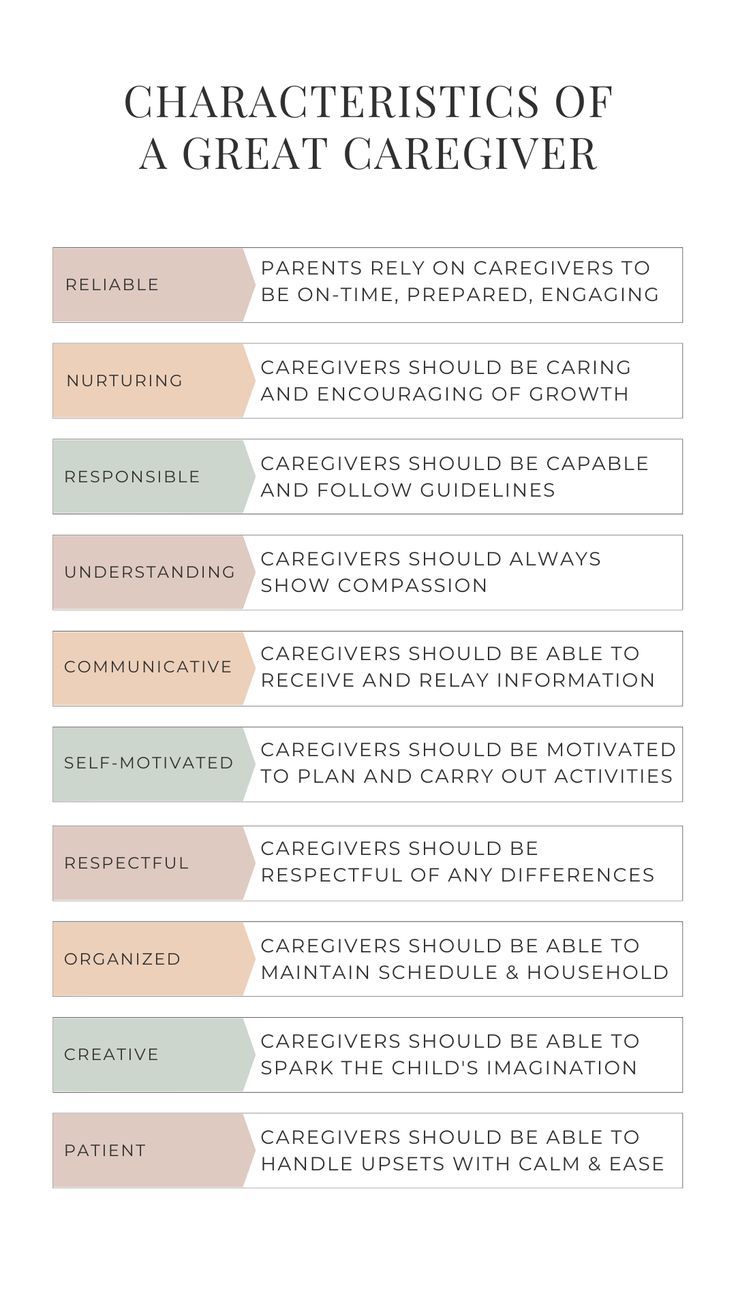
Sustaining caregiver resilience demands intentional self-preservation, as depleted well-being undermines both personal health and patient progress. Essential habits include routine check-ins with primary care providers, prioritizing sleep, balanced nutrition, and exercise; establishing boundaries by delegating tasks to family or friends; carving out micro-breaks like walks or mindfulness sessions; and nurturing hobbies for joy. Red flags warranting immediate professional input encompass chronic sadness or anhedonia, debilitating anxiety or panic, irritability or hypervigilance, unexplained somatic complaints like headaches or gastrointestinal distress, or suicidal ideation signaling overwhelm. Transplant teams, social workers, and community networks provide tailored interventions, from counseling to peer groups. Embracing self-care reframes caregiving as sustainable, ensuring caregivers remain effective advocates while modeling healthy behaviors for patients.[3][6]
Medical & Caregiver Disclaimer
This page is for educational purposes only. Every transplant center has its own policies regarding caregiver requirements and support services. Caregiver needs and responsibilities vary widely depending on the patient’s medical condition, family situation, and local resources. Always follow the guidance of your transplant team, social worker, and other health professionals for individualized recommendations.
References
- American Society of Transplantation – Before, During, and After Liver Transplant: Caregiver Responsibilities
- Pahari H, et al. What about the caregivers? Rethinking chronic illness support in the age of transplantation (World J Transplant 2025)
- Virches A, et al. Burden, stress and depression in caregivers of cirrhosis patients before and after liver transplantation (World J Transplant 2025)
- Verma M, et al. Unmet Needs and Burden of Caregivers of Patients Being Evaluated for a Liver Transplant (Am J Hosp Palliat Care 2024)
- García-Alanís M, et al. Psychosocial evaluation for liver transplantation: A brief guide for gastroenterologists (Rev Gastroenterol Mex 2021)
- American Society of Transplantation – Strategies for Self-Care for Caregivers