Shingles (Herpes Zoster)
What shingles is, why it matters more in liver disease and transplant candidates, how it’s treated, and how vaccination planning (Shingrix) fits into your pre- and post-transplant timeline. [1] [3]
Overview
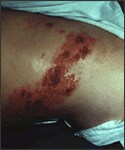
Shingles (herpes zoster) is a painful rash illness caused by reactivation of varicella-zoster virus (VZV)—the same virus that causes chickenpox. After chickenpox, VZV becomes latent in sensory nerve ganglia and can reactivate years later, typically producing a one-sided, dermatomal rash that usually does not cross the midline. [1] [6]
The clinical “headline” is pain (often burning/tingling) followed by clustered vesicles in a band-like distribution. Complications can include postherpetic neuralgia (persistent pain), and—depending on location—vision or hearing injury, neurologic disease, or pneumonia. [1] [6]
For transplant candidates and recipients, shingles is not just uncomfortable—it is also a marker of impaired cellular immunity and can be more severe, more disseminated, and more likely to involve organs. [5]
Why It Matters in Liver Disease and Transplant
Advanced liver disease and transplant-related immunosuppression can reduce VZV-specific cell-mediated immunity, increasing the risk of reactivation and complications. In solid organ transplantation, VZV can present more severely and may disseminate, particularly early after transplant or during periods of intensified immunosuppression. [1] [5]
Practical implication: in the pre-transplant window, shingles prevention planning (vaccination timing when appropriate) and rapid recognition/treatment are part of “staying transplant-ready.” [3] [4]
How Shingles Happens
After primary infection (chickenpox), VZV remains latent in sensory ganglia. When cellular immunity wanes—due to age, disease, or immunosuppressive therapy—the virus can reactivate, travel along sensory nerves, and cause inflammation and vesicular rash in the corresponding dermatome. [1] [6]
This nerve involvement helps explain why pain (or tingling/itching) can precede the rash and why pain may persist even after skin lesions resolve (postherpetic neuralgia). [1] [6]
Symptoms and Red Flags
Typical shingles features include localized pain/tingling, followed by a unilateral rash in one or two adjacent dermatomes. The rash usually does not cross the midline and commonly heals in 2–4 weeks. [1]
Red flags that should prompt urgent same-day evaluation:
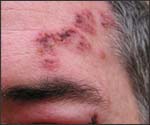
- Rash on the face, especially near the eye, or any eye pain/redness/vision changes (risk of corneal involvement and vision loss). [1] [7]
- Widespread (disseminated) rash, severe headache/neck stiffness, confusion, weakness, or shortness of breath (possible systemic/neurologic/pulmonary involvement). [1] [5]
- Immunocompromised state (including transplant candidates/recipients): lower threshold for urgent evaluation and treatment. [3] [5]
Diagnosis and Testing
Shingles is often diagnosed clinically once the rash appears. When confirmation is needed (atypical rash, immunocompromised host, or concern for alternative diagnoses), PCR testing of lesion material is considered the most helpful laboratory test to confirm VZV. [1]
In immunocompromised patients, atypical presentations can occur (e.g., minimal rash, unusual distribution), which is one reason clinicians may test more readily and treat earlier. [1] [5]
Treatment (Practical Management)
Antiviral therapy is most effective when started early—ideally within 72 hours of symptom onset. Preferred oral antivirals for uncomplicated shingles include acyclovir, valacyclovir, or famciclovir (selected based on patient-specific factors and clinician judgment). [1] [6]
Even with antiviral therapy, some patients develop postherpetic neuralgia (PHN). Antivirals can reduce the duration and severity of acute disease, but they do not reliably prevent PHN—so clinicians often address pain control as its own track. [6]
When severity is higher (e.g., disseminated disease, organ involvement, or significant immunocompromise), inpatient evaluation and IV antiviral therapy may be required, followed by oral therapy as appropriate. [5]
Transplant-Specific Considerations
Vaccination: CDC/ACIP recommends a 2-dose recombinant zoster vaccine (RZV, Shingrix) for adults ≥50 and also for adults ≥19 who are or will be immunodeficient or immunosuppressed because of disease or therapy (a category that often includes transplant candidates and recipients, depending on timing and team guidance). [3] [4]
Timing is individualized: transplant programs typically plan vaccines around anticipated transplant date, current immunosuppression, and recent rejection therapy. Your transplant team is the correct authority for “when” in your specific case. [3] [5]
Prevention mindset: shingles can disrupt transplant readiness (acute illness, hospitalization, or need for treatment adjustments). The safest approach is to (1) know early symptoms, (2) call quickly, and (3) keep your vaccine plan current with your program. [1] [5]
What to Do Now
- Know the early warning pattern: burning/tingling pain in a band → rash appears in the same area. [1]
- Call promptly if you suspect shingles—early antivirals work best (often within 72 hours). [1]
- Treat facial/eye-area shingles as urgent; request same-day evaluation. [1] [7]
- Ask your transplant team where Shingrix fits in your vaccine timeline (especially if transplant is anticipated soon or you are already immunosuppressed). [3] [4]
- Infection-control basics: keep rash covered when possible and follow your team’s guidance to reduce risk to susceptible contacts. [1]
Questions to Ask Your Liver or Transplant Team
- Given my liver disease stage and medications, am I considered immunocompromised for shingles risk—and what is my action plan if symptoms start? [3] [5]
- Should I receive Shingrix now, and if so, what timing is best relative to transplant listing or an anticipated transplant date? [3] [4]
- If I develop shingles, who should I contact first (hepatology vs transplant coordinator vs infectious disease), and how quickly should antivirals be started? [1]
- If shingles involves my face/eye area, what is the urgent referral pathway? [7]
- Do I need any changes to immunosuppressive medications if shingles occurs, and what “red flags” should trigger ER evaluation? [5]
References
- CDC. Clinical Overview of Shingles (Herpes Zoster): clinical features, complications, testing, and treatment notes (including early antiviral therapy).
- CDC. Photos of Shingles (clinical photo examples; viewer discretion advised).
- CDC. Clinical Considerations for Shingrix Use in Immunocompromised Adults Aged ≥19 Years (ACIP).
- Anderson TC, et al. MMWR (ACIP), 2022. Use of Recombinant Zoster Vaccine in Immunocompromised Adults Aged ≥19 Years: Recommendations of the Advisory Committee on Immunization Practices.
- Pergam SA, et al. (AST IDCOP) PubMed, 2019. Varicella zoster virus in solid organ transplantation: Guidelines from the American Society of Transplantation Infectious Diseases Community of Practice.
- Cohen JI. N Engl J Med, 2013. Herpes Zoster (review: pathogenesis, clinical course, antivirals, and complications including postherpetic neuralgia).
- American Academy of Ophthalmology (AAO), 2020. Herpes Zoster Ophthalmicus: clinical pearls and urgency of antiviral treatment/referral.