Cancer and Liver Transplantation
A comprehensive guide to cancer risks, eligibility criteria, down-staging, and lifelong surveillance for liver transplant candidates and recipients.
Overview of Cancer in Liver Transplantation
Cancer profoundly influences liver transplantation in dual capacities: as a primary driver for the procedure and as an enduring hazard post-surgery. Hepatocellular carcinoma (HCC), the predominant primary liver malignancy, ranks among the foremost indications for transplantation globally, particularly in cirrhosis stemming from hepatitis B, hepatitis C, alcohol abuse, or metabolic dysfunction-associated steatotic liver disease (MASLD). Post-transplant, indispensable immunosuppression to avert rejection substantially elevates de novo cancer susceptibility. Indeed, malignancy now constitutes one of the principal non-graft-related fatalities in the subsequent decade. Mastery of pre-transplant oncologic scrutiny and perpetual post-operative monitoring proves indispensable for transplant aspirants and survivors alike.[1][2]
Key Cancers Relevant to Liver Transplant
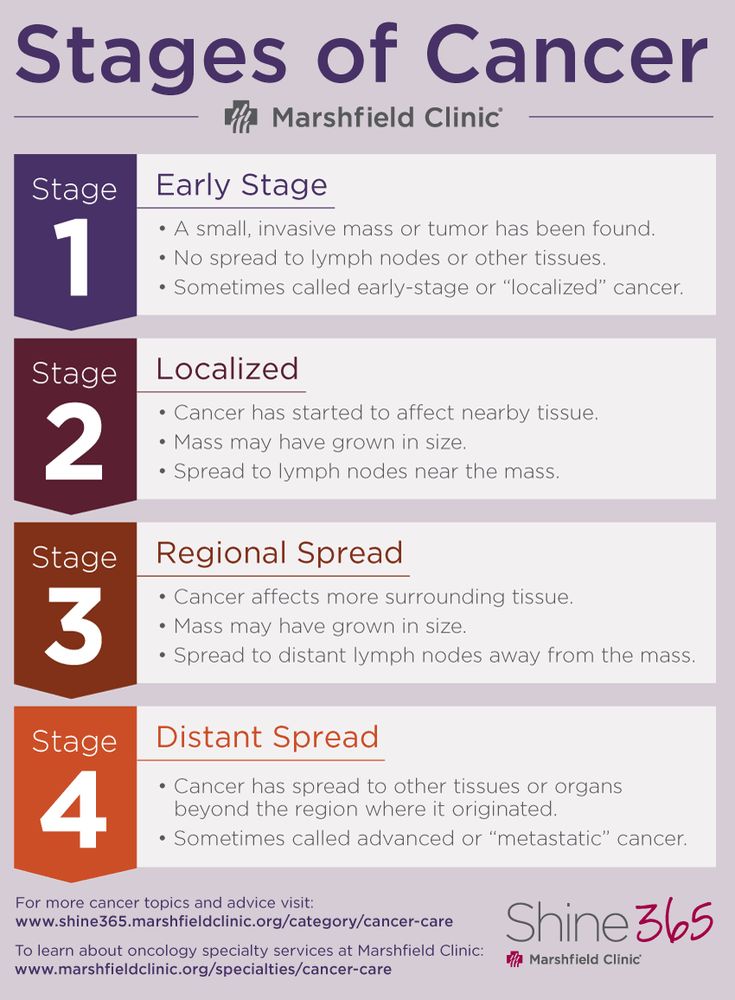
Hepatocellular Carcinoma (HCC) stands as the paramount rationale for transplantation among cirrhotic individuals. Rigorous selection paradigms, including the Milan criteria (solitary lesion ≤5 cm or ≤3 lesions each ≤3 cm, sans vascular incursion or extrahepatic dissemination) or UCSF extensions, forecast robust 5-year survivals of 70–85% alongside diminished recurrence. Contemporary protocols incorporate down-staging via locoregional interventions (transarterial chemoembolization, Y-90 radioembolization, radiofrequency ablation, or stereotactic body radiotherapy) to recalibrate oversized tumors within viable thresholds prior to candidacy.[1][3]
Pre-existing extrahepatic neoplasms undergo meticulous vetting. Malignancies like breast, colorectal, or prostatic typically necessitate 2–5 years of remission. Cholangiocarcinoma merits contemplation solely within stringent investigational frameworks. Non-melanotic cutaneous carcinomas seldom bar progression, yet melanoma mandates protracted disease-free epochs owing to immunosuppression-exacerbated relapse propensity.
Cancer Risks After Liver Transplantation
Immunosuppressants, indispensable for graft preservation, profoundly compromise neoplastic oversight, rendering post-transplant malignancy the second or third vanguard of mortality beyond the inaugural year. Prevalent entities encompass virulent cutaneous carcinomas (notably squamous cell), Epstein-Barr virus-associated post-transplant lymphoproliferative disorder (PTLD), human papillomavirus-mediated tumors (oropharyngeal, cervical, anogenital), pulmonary neoplasms (exacerbated by persistent tabagism), colorectal adenocarcinomas (amplified in primary sclerosing cholangitis/inflammatory bowel disease cohorts), and renal cell carcinomas. Susceptibility amplifies with vigorous immunosuppression, advanced chronology, phototypes I–II, antecedent solar overexposure, or nicotinic history.[4][5]
Screening Guidelines & Risk-Reduction Strategies
Post-transplant cohorts warrant intensified oncologic vigilance surpassing general populace benchmarks. Endorsed regimens encompass comprehensive dermatologic appraisals biannually to annually, escalated colonoscopies (ofttimes yearly) for primary sclerosing cholangitis/inflammatory bowel disease, chronologic mammography, prostate-specific antigen interrogation, Papanicolaou/human papillomavirus cotesting, and persistent HCC oversight via ultrasonography/alpha-fetoprotein semiannually in vulnerable subsets. Empiric countermeasures prove potent: absolute tobacco/alcohol desistance, assiduous photoprotection (SPF 50+, wide-brimmed headwear, long-sleeved attire), human papillomavirus immunization where feasible, and sustenance of salubrious corporeal mass index alongside aerobic exertion. Elevated-risk individuals may transition to mammalian target of rapamycin inhibitors (sirolimus/everolimus) for inherent antineoplastic attributes. Unwavering clinic adherence and expeditious symptomatology disclosure remain imperative for enduring vitality.[4][5]
Medical Disclaimer
This information is provided for educational purposes only and is not a substitute for professional medical advice. Cancer evaluation, transplant listing criteria, down-staging protocols, immunosuppression choices, and surveillance schedules vary widely between transplant centers and are tailored to each patient’s unique history, tumor biology, and risk profile. Always follow the specific guidance provided by your transplant hepatologist, surgeon, oncologist, and multidisciplinary team.
References
- AASLD Prevention, Diagnosis, and Treatment of Hepatocellular Carcinoma Guideline Summary (2025 Update)
- Incidence, Screening, and Management of De Novo Malignancies in Liver Transplant Patients: A Review (World J Transplant 2025)
- OPTN/UNOS Guidance: Liver Transplant Programs and National Liver Review Board for HCC Exceptions (Feb 2025)
- De Novo Malignancies Post–Liver Transplantation: Risks, Surveillance, and Management Review (World J Transplant 2025)
- Cleveland Clinic – Liver Transplantation: Post-Transplant Care & Cancer Surveillance Guidelines