Anxiety in Liver Disease and Transplantation
Anxiety is common in chronic liver disease and around liver transplantation. It can stem from uncertainty, symptoms, medication effects, and the stress of major illness. Identifying and treating anxiety improves quality of life and supports strong engagement with transplant care [1][4][10].
What Is Anxiety?
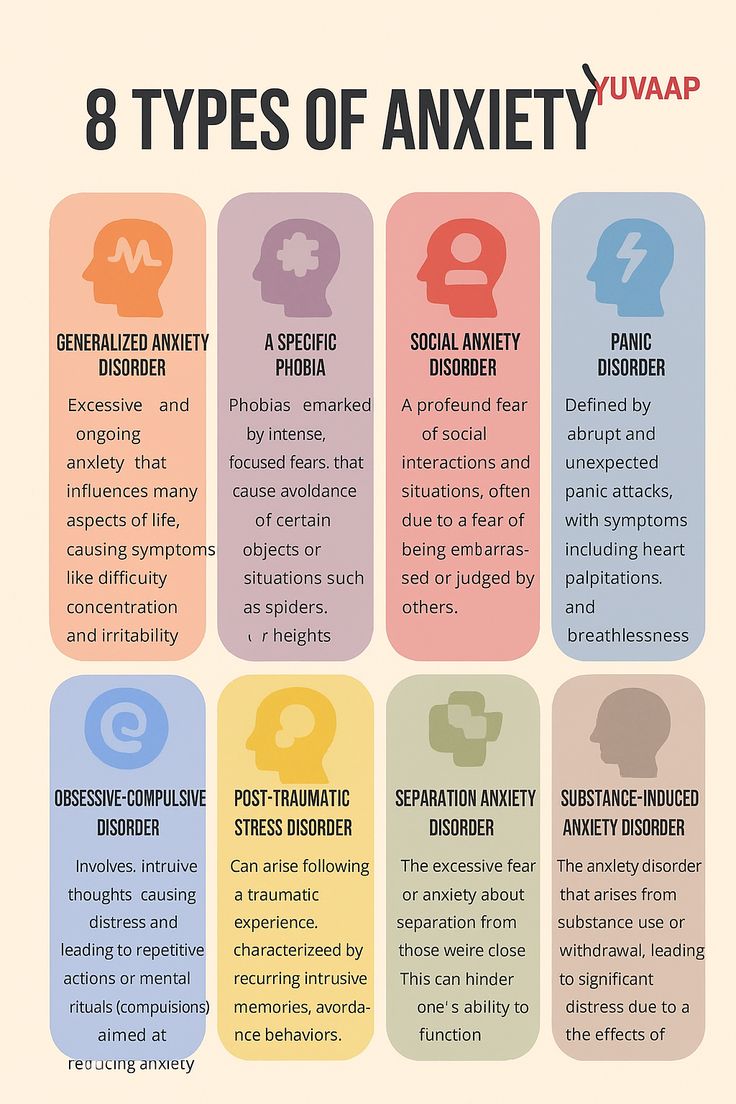
Anxiety disorders involve persistent fear, worry, or nervousness that is excessive for the situation and interferes with daily functioning [1][2][3].
- Normal anxiety is a short-term stress response; clinical anxiety is ongoing, intrusive, and hard to control [1].
- Common types include generalized anxiety disorder (GAD), panic disorder, social anxiety, and trauma-related anxiety [2].
- Anxiety commonly coexists with depression and sleep disturbance, especially during chronic illness [4][10].

Why Anxiety Is Common in Liver Disease
Chronic liver disease brings medical, neurologic, and social stressors that increase anxiety risk [4][5][6].
- Uncertainty about progression, MELD/PELD, timing, and “what happens next” [6].
- Physical symptoms (fatigue, pruritus, pain, ascites) that disrupt sleep and daily function [6].
- Neurocognitive effects of hepatic encephalopathy (HE) and medication sensitivity [7][8].
- Financial strain, role loss, caregiver stress, and medical trauma [5][10].
Common Symptoms
Anxiety can present physically, cognitively, and emotionally—and may overlap with medical symptoms [3][6].
Impact on Transplant Care
Untreated anxiety can interfere with transplant readiness and recovery—but treatment improves outcomes [10][11][12].
- Increased missed appointments, reduced engagement, and medication nonadherence [10].
- Higher symptom burden (sleep problems, fatigue, pain perception) and lower quality of life [6][13].
- Psychiatric comorbidity has been associated with worse long-term outcomes in some cohorts, supporting active screening and treatment [12].
Many patients improve after transplant, including measurable reductions in anxiety scores during the first year in prospective follow-up studies [13].

Treatment Options
Anxiety is highly treatable. In liver disease, treatment should be individualized to avoid oversedation, drug accumulation, or worsening encephalopathy risk [7][8][10].
- Psychotherapy (first-line): Cognitive behavioral therapy (CBT) is effective for generalized anxiety, panic, and health-related anxiety [2].
- Medications: SSRIs/SNRIs are commonly used; dosing and choice should consider hepatic metabolism, drug interactions, and individual tolerability [3][10].
- Caution with sedatives: Benzodiazepines and other sedating agents can worsen cognition and are often avoided or minimized—particularly in patients at risk for hepatic encephalopathy [7][8].
- Integrated transplant psychiatry/psychology: Programs embedded in transplant care address anxiety, depression, adherence, and coping—supporting better long-term outcomes [10][12].
What You Can Do
Practical steps—done consistently—often produce meaningful improvement [1][2].
- Tell your transplant team if anxiety affects sleep, appetite, decision-making, or attendance.
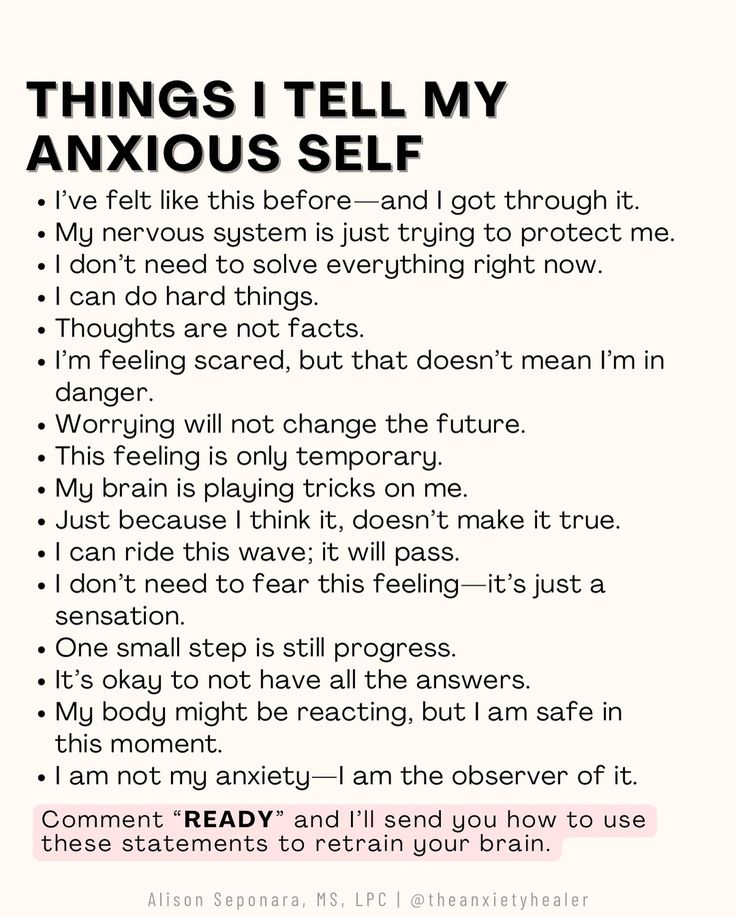
- Use structured coping tools daily (paced breathing, CBT worksheets, mindfulness).
- Keep routines simple: one to three “must-do” tasks per day.
- Ask a caregiver to join visits and help with reminders and logistics.
- If anxiety feels overwhelming or you’re having panic attacks, request a formal mental health referral.
References
- National Institute of Mental Health (NIMH). Anxiety Disorders. https://www.nimh.nih.gov/health/topics/anxiety-disorders
- American Psychiatric Association. What Are Anxiety Disorders? https://www.psychiatry.org/.../what-are-anxiety-disorders
- Mayo Clinic. Anxiety disorders: Symptoms and causes. https://www.mayoclinic.org/.../anxiety
- Whitsett MP, et al. Assessment of mental health in patients with chronic liver disease (review). Europe PMC (PMC9405502).
- Grover S, et al. Liver Transplant—Psychiatric and Psychosocial Aspects. PMC3940381.
- EASL Clinical Practice Guidelines: Management of patients with decompensated cirrhosis (J Hepatol 2018). PubMed: 29653741. | EASL PDF (Full Text).
- Thomson MJ, et al. Medication use and hepatic encephalopathy (notes on sedatives/opioids). PMC7943648.
- Grønbæk L, et al. Benzodiazepines and risk for hepatic encephalopathy in cirrhosis. PMC5949964.
- Te Helen S, et al. Altered mental status after liver transplant (post-op neuropsychiatric symptoms). PMC6467109.
- Neuberger JM, et al. Practical recommendations for long-term management of adult liver transplant recipients. Transplantation. 2017 (Full Text).
- DiMartini A, et al. Early trajectories of depressive symptoms after liver transplantation (prospective cohort). PMC4133126.
- Kimura H, et al. Comorbid psychiatric disorders and long-term survival after liver transplantation. PMC10074684.
- Córdoba-Alvarado R, et al. Quality of life, anxiety, and depression improve at one year after liver transplantation. Frontiers in Transplantation. 2024.
Medical Disclaimer
This page is for educational purposes only and does not replace medical or psychiatric care. Anxiety is treatable. If symptoms are severe, escalating, or you have thoughts of self-harm, seek immediate help (call emergency services or your local crisis line) and contact your transplant team promptly.